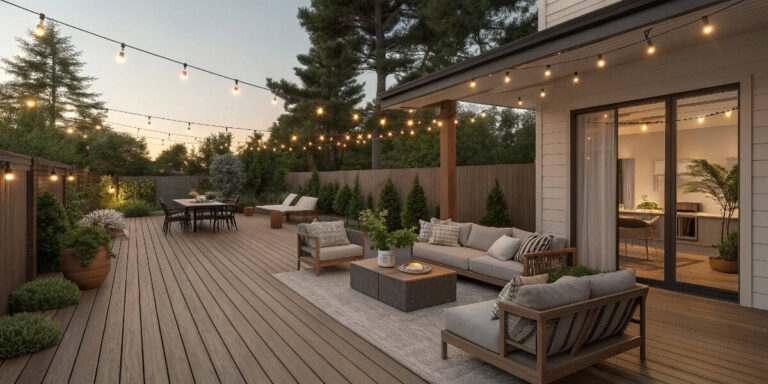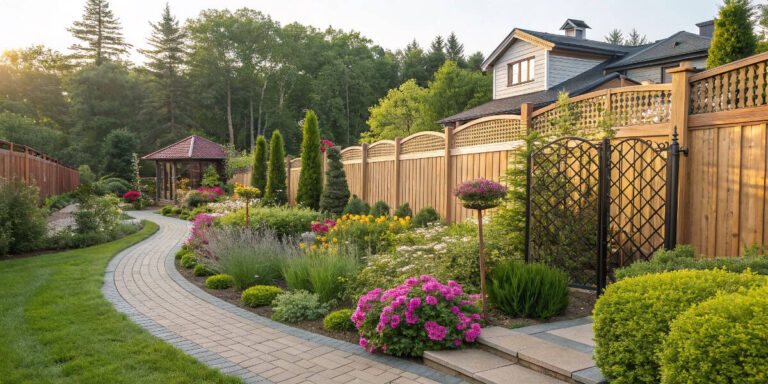
Your Perfect Home Garden Design Starts Here: A Simple Guide
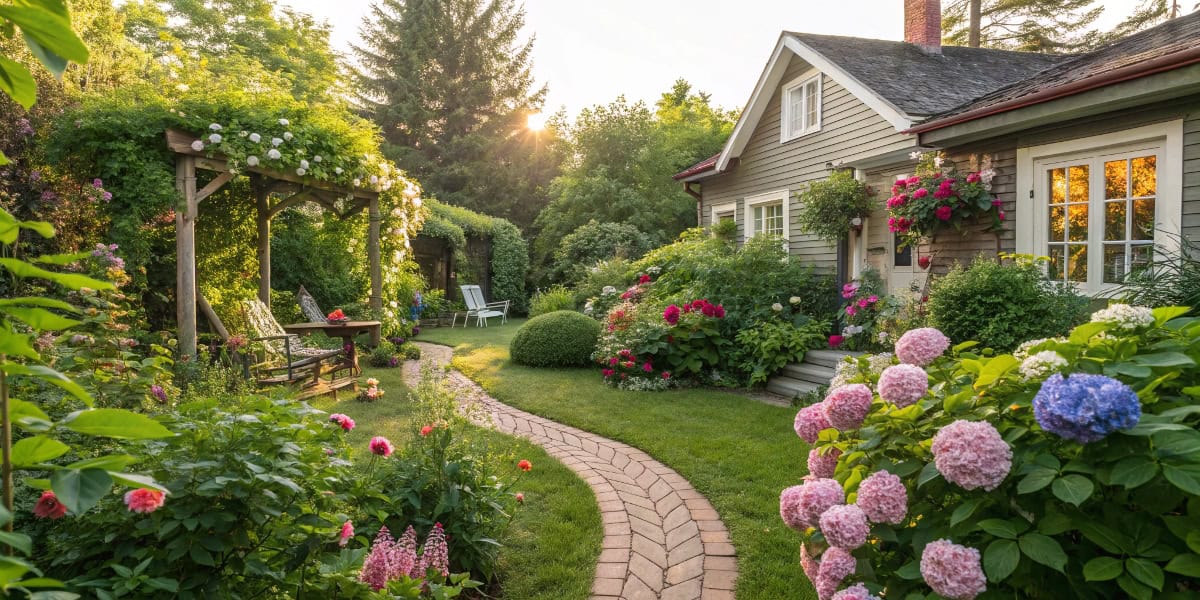
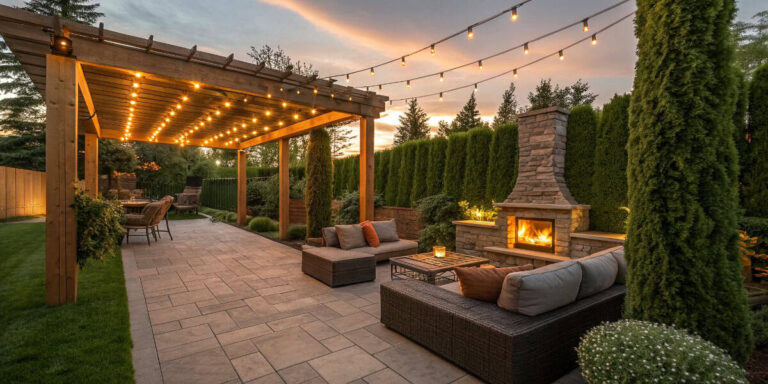
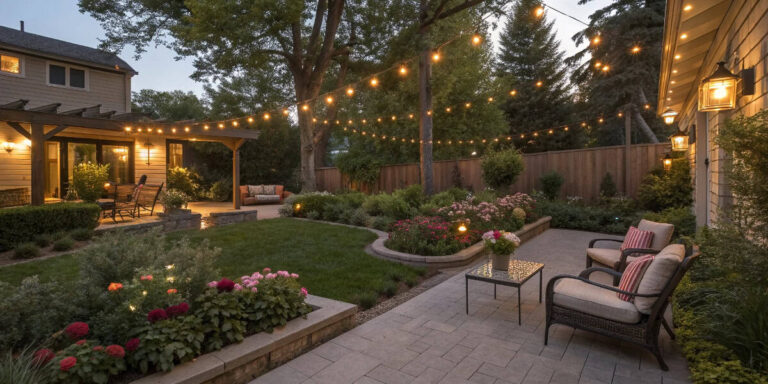
Your garden is an extension of your home, a place for relaxation, gathering, and connecting with nature. Home garden design is simply the process of planning and laying out your outdoor space to be both beautiful and functional. It’s about deciding where paths go, what plants grow, and how different elements—like furniture or water features—fit together.
Getting the design right transforms a simple yard into a personal sanctuary, increasing your enjoyment of your property and even its value. Whether you have a sprawling lawn or just a tiny balcony, having a thoughtful plan makes gardening easier and the results much more satisfying. Get ready to turn your outdoor dreams into a beautiful reality!
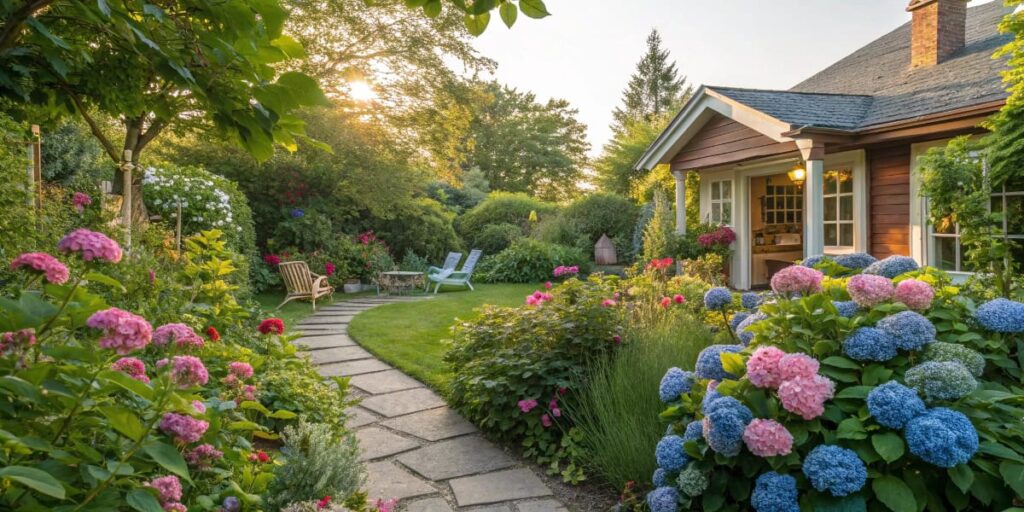

Save what you love, hover or tap the image and pin it now.
The Blueprint: Essential Steps for Great Home Garden Design
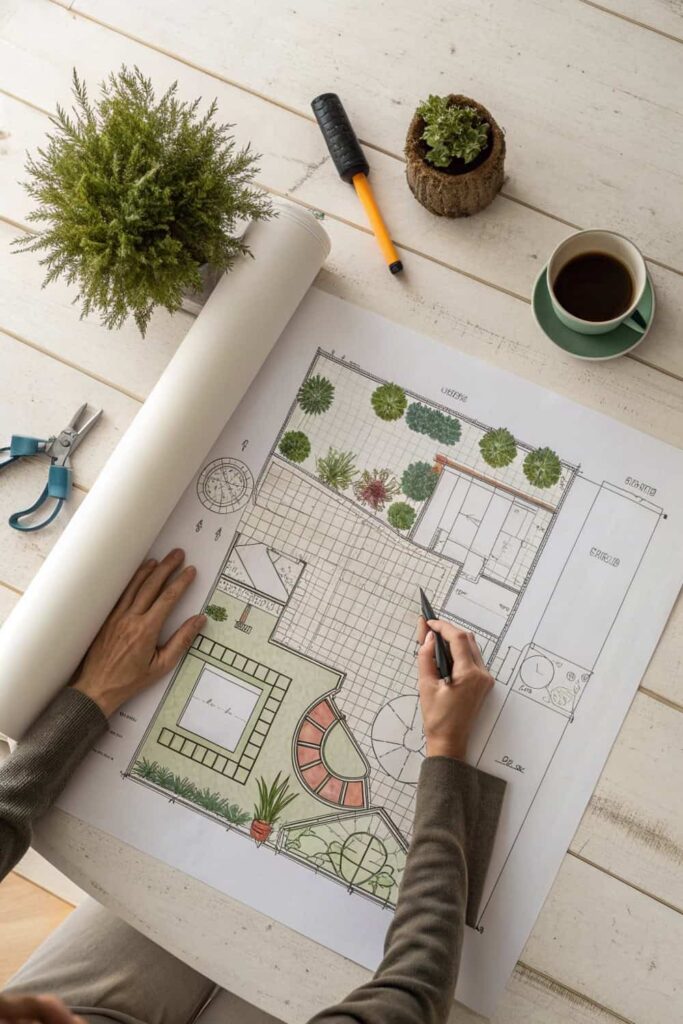
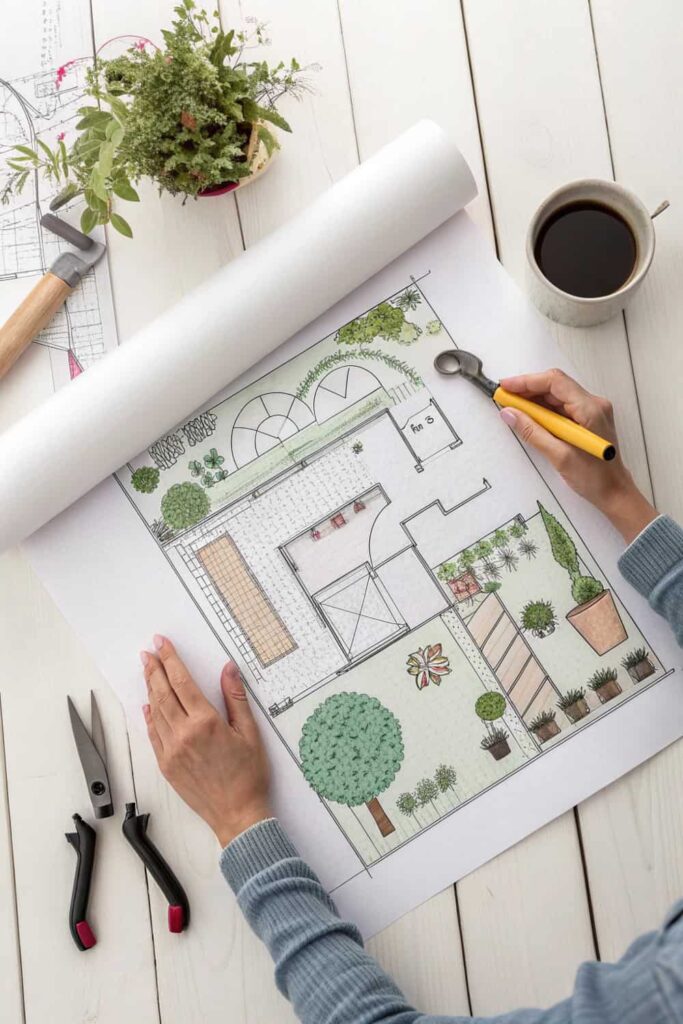
Every great garden starts not with a shovel, but with a piece of paper. Taking the time to plan ensures that the finished result suits your lifestyle and budget, saving you time and money in the long run. Good design considers your climate, the sun’s movement, and how you actually want to use the space—not just how it looks.
Save what you love, hover or tap the image and pin it now.
Save what you love, hover or tap the image and pin it now.
Pro tip: Before drawing anything, spend a day outside observing your yard at different times to see where the sun falls and where shadows lie; this makes plant selection a snap.
Starting the Vision: Home Garden Design Ideas
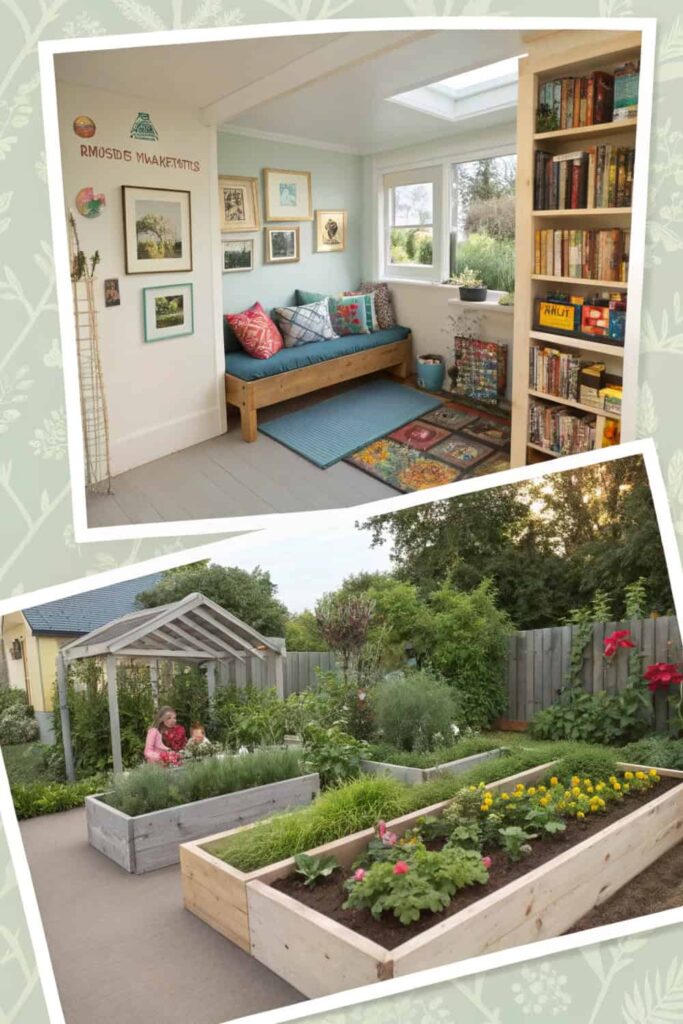
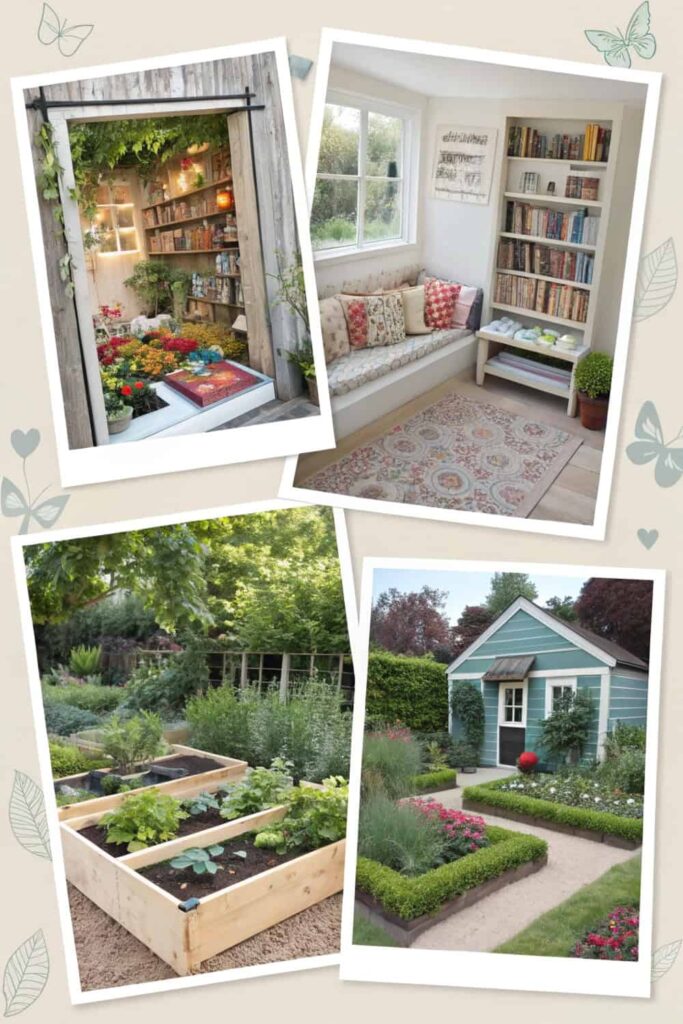
Getting started can feel overwhelming, but breaking it down into simple phases makes all the difference. Think about the style you like and the function you need. Do you want a play area for kids, a quiet spot for reading, or raised beds for growing vegetables? Combining your wish list with your site’s physical attributes is the foundation of brilliant home garden design ideas. Consider creating “rooms” in your yard using hedges or low fences to give separate areas for different uses. This adds interest and makes even small spaces feel bigger.
Save what you love, hover or tap the image and pin it now.
Save what you love, hover or tap the image and pin it now.
Pro tip: Clip photos of gardens you love from magazines or online, focusing on elements like plant texture, color palettes, and path materials, to clearly define your preferred style.
Creating Structure: Making a Home Garden Design Plan
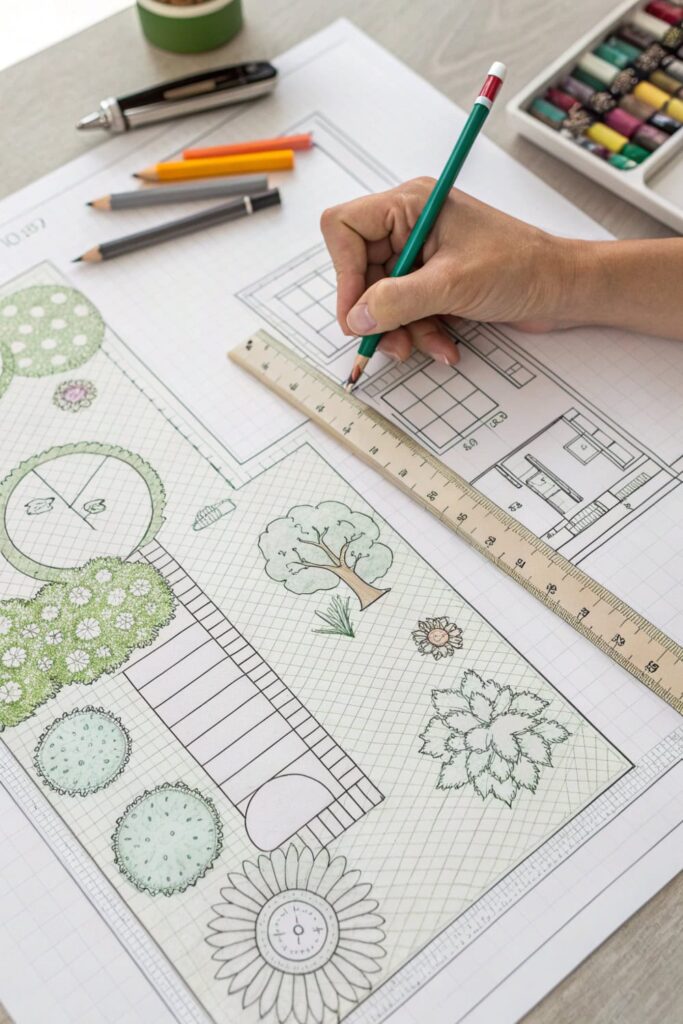
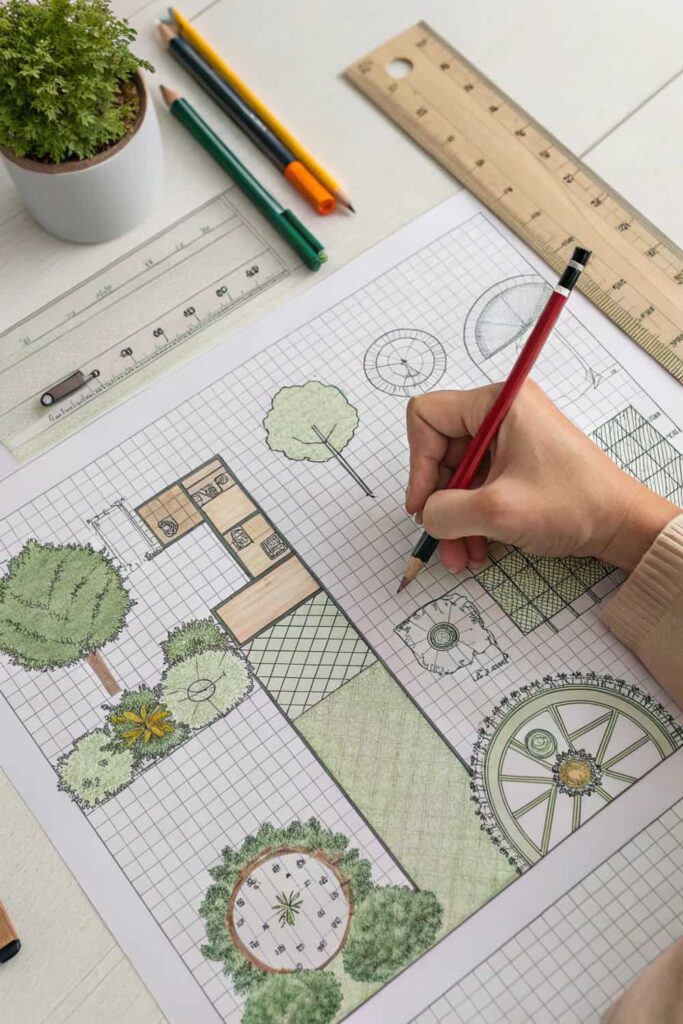
The formal process of mapping out your area is creating a home garden design plan. This involves drawing a scale map of your current space, including fixed features like the house, sheds, and trees you want to keep. Then, you sketch in the proposed additions: patios, walkways, planting beds, and borders. Start with the “hardscape” (non-living elements like paths and seating areas) because these are permanent. Once the hardscape is set, you can fill in the “softscape” (plants, lawn, and soil). This systematic approach ensures everything fits perfectly before you spend money on materials.
Save what you love, hover or tap the image and pin it now.
Save what you love, hover or tap the image and pin it now.
Pro tip: Use tracing paper over your initial base map so you can sketch different layouts without having to redraw the existing features repeatedly; try three different versions!
Designing for Small Outdoor Spaces
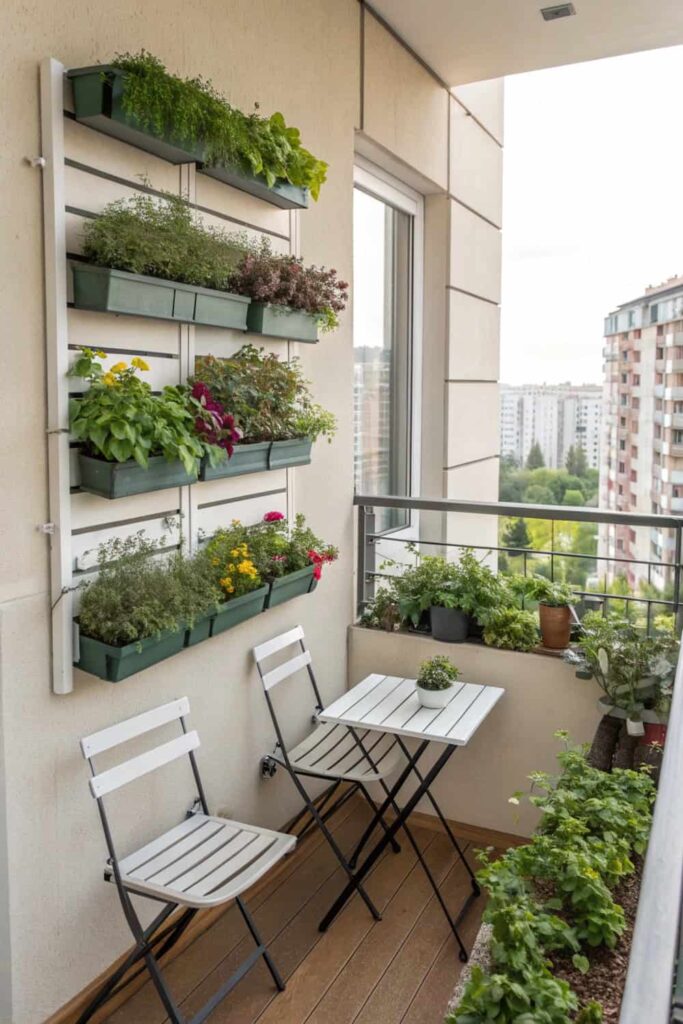
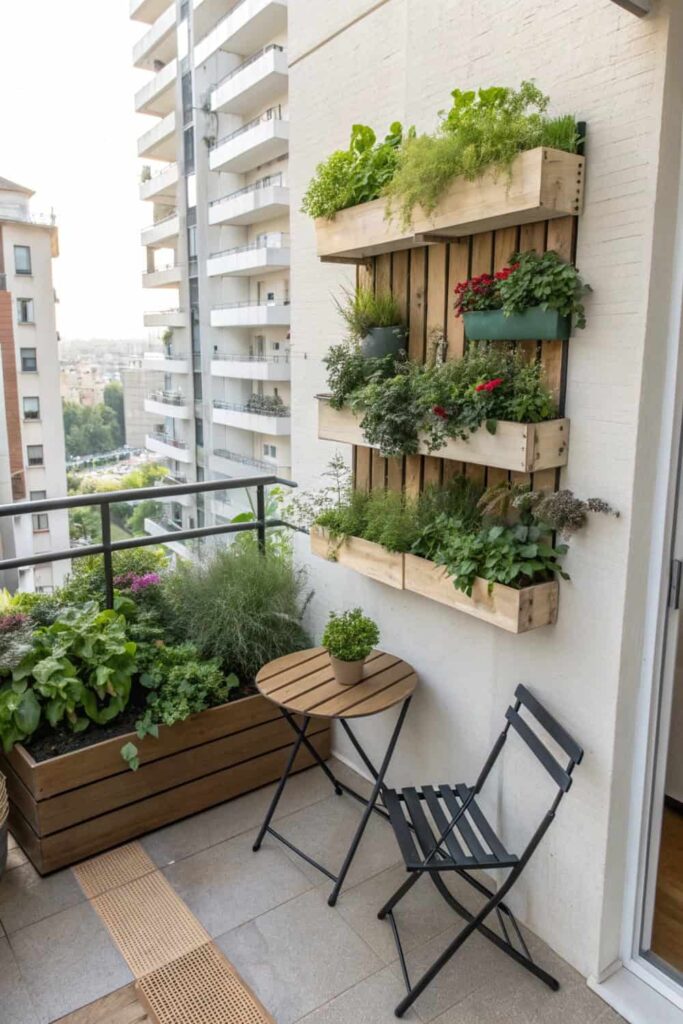
Living with a small outdoor space, like a compact urban backyard or a narrow side yard, requires clever planning. It’s easy to feel limited, but small areas actually offer a fantastic opportunity to create highly personalized, intimate sanctuaries. The key to successful home garden design, small outdoor solutions, is to think vertically and strategically. You need to maximize every square foot and make sure everything you include serves at least two purposes.
For example, a built-in bench can also serve as storage for tools, or a trellis can offer both support for climbing plants and essential privacy from neighbors. Don’t be afraid to use color—a bright painted wall can act as a dramatic backdrop for lush greenery, making the small space feel vibrant rather than cramped.
Save what you love, hover or tap the image and pin it now.
Save what you love, hover or tap the image and pin it now.
Home Garden Design Small Outdoor Solutions
Here are a few smart ways to make the most of limited space:
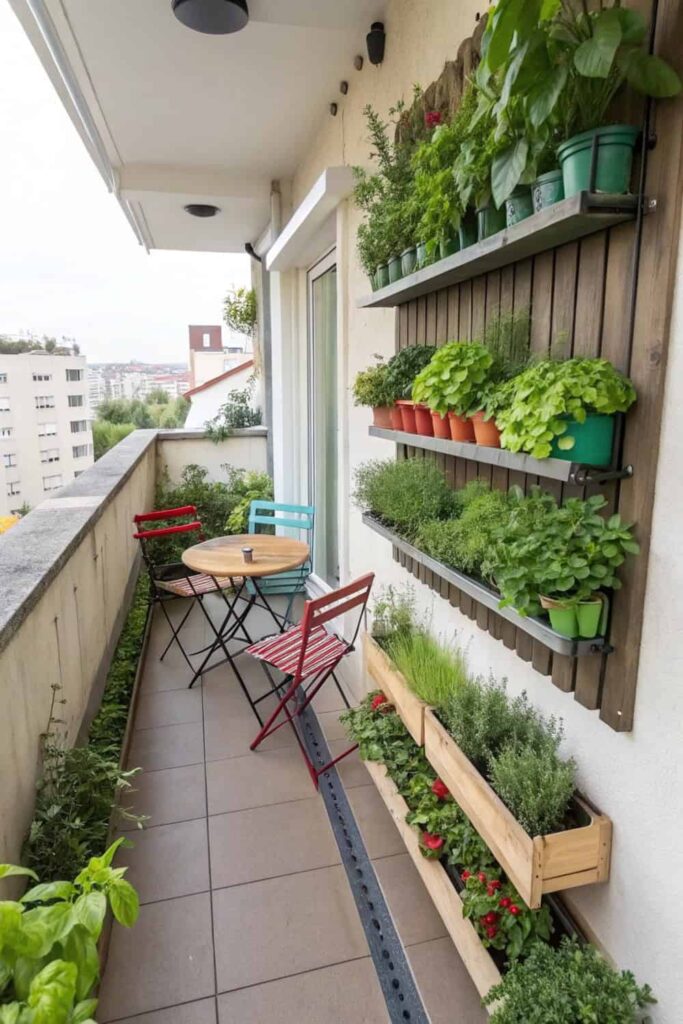
Save what you love, hover or tap the image and pin it now.
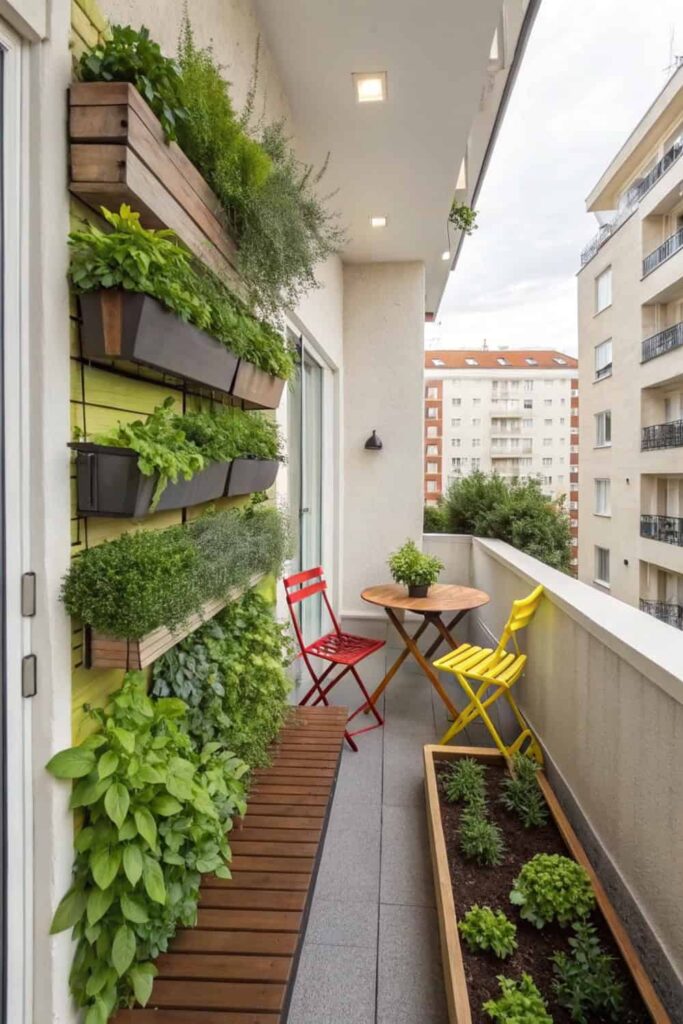
Save what you love, hover or tap the image and pin it now.
Pro tip: Use mirrors designed for outdoor use on a fence or wall to visually double your space and reflect light, creating a sparkling, expansive feeling like a secret garden.
The Modern Vibe: Embracing Home Garden Design Modern Aesthetics
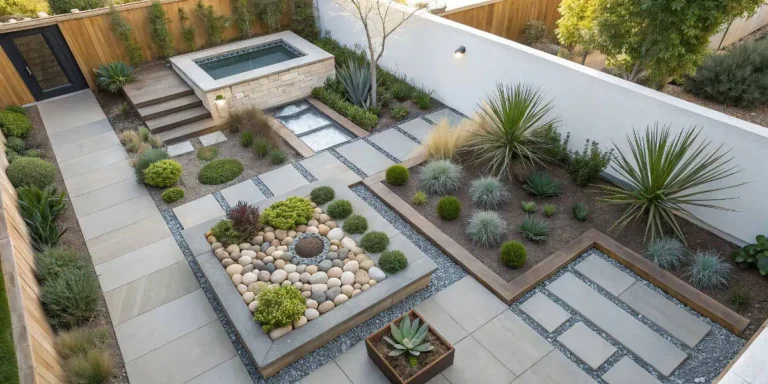
If your house features clean lines and large glass areas, your garden should reflect that. Home garden design modern rejects fussiness and embraces simplicity, geometry, and strong forms. This style is characterized by restraint, using plants as architectural elements rather than just colorful fillers. It creates a serene and ordered environment that complements a busy life. Think of it as an outdoor room that extends the sophisticated feel of your home’s interior.
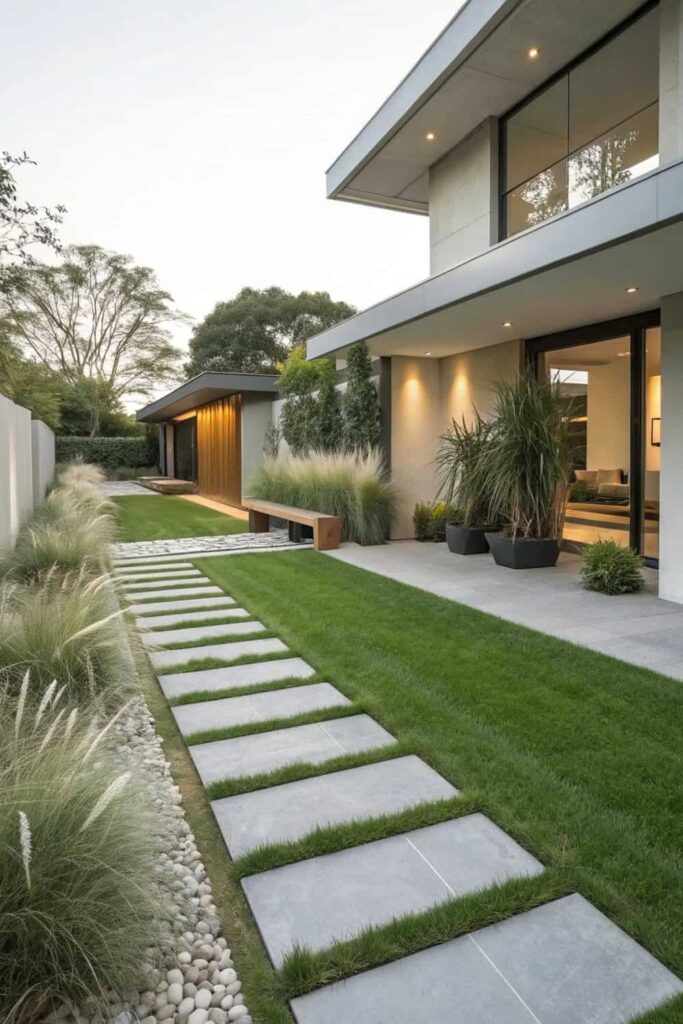
Save what you love, hover or tap the image and pin it now.
Key characteristics of a successful modern garden design:
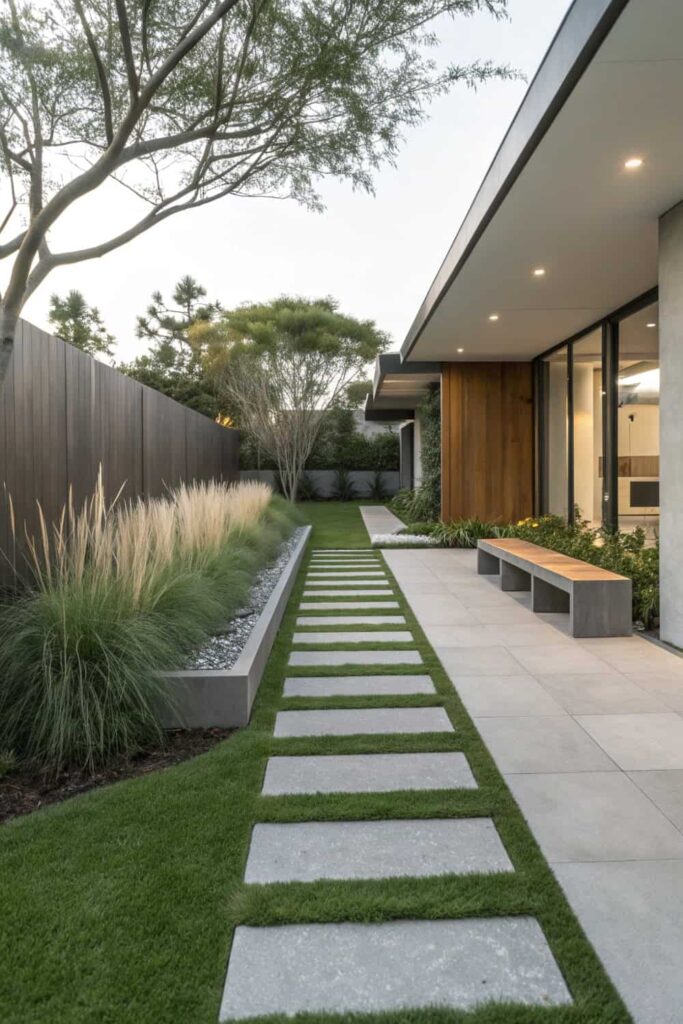
Save what you love, hover or tap the image and pin it now.
Pro tip: For paths, use large, rectangular pavers set close together with sharp gravel or low groundcover between the gaps; this reinforces the strong, modern lines essential to the design.
Ideas for Elevated Living: Home Garden Design Small Balcony Ideas
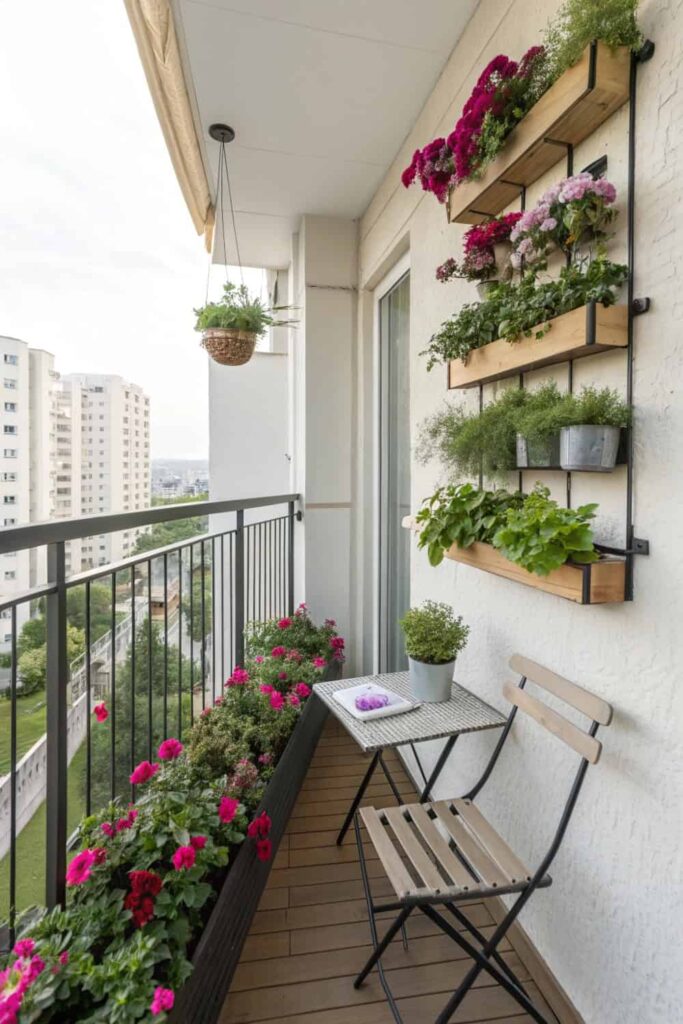
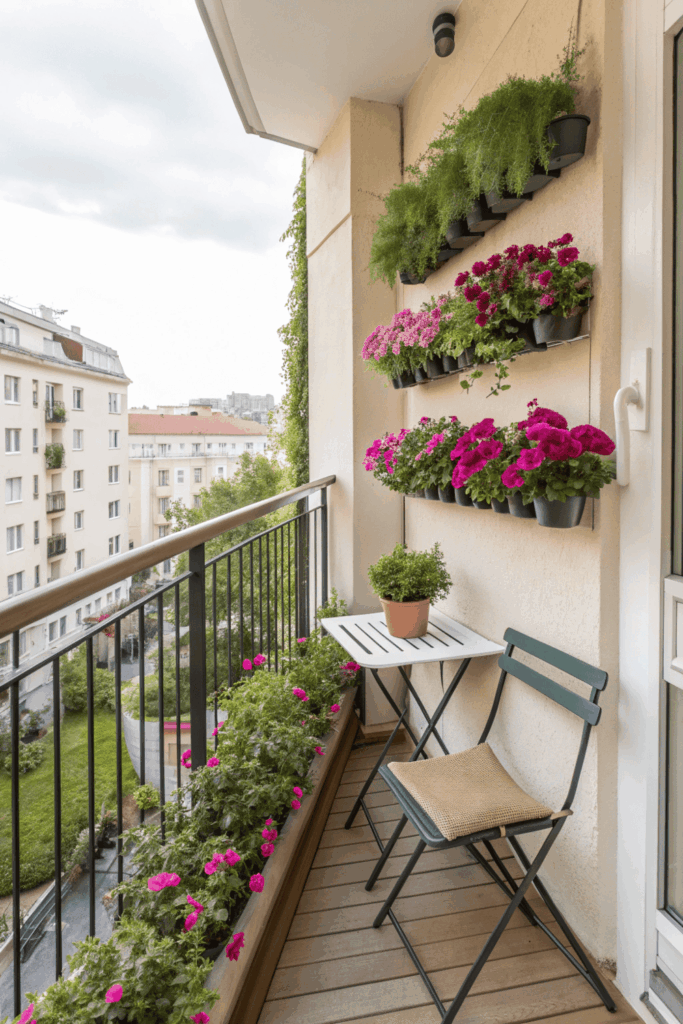
Balcony gardening presents its own set of challenges, mainly weight limits and wind exposure. When considering home garden design, small balcony ideas, always prioritize safety and efficiency. Use lightweight potting mixes (not heavy garden soil) and plastic or fiberglass containers instead of heavy terracotta. Railing planters, fold-down tables, and lightweight privacy screens made of bamboo or lattice are ideal. Grow small, fragrant herbs or trailing flowers to soften the hard edges of the building.
Save what you love, hover or tap the image and pin it now.
Save what you love, hover or tap the image and pin it now.
Pro tip: Check with your landlord or building manager about the load capacity of your balcony before installing large, heavy planters; safety always comes first!
Sketching the Future: Practical Steps for Home Garden Design Drawing
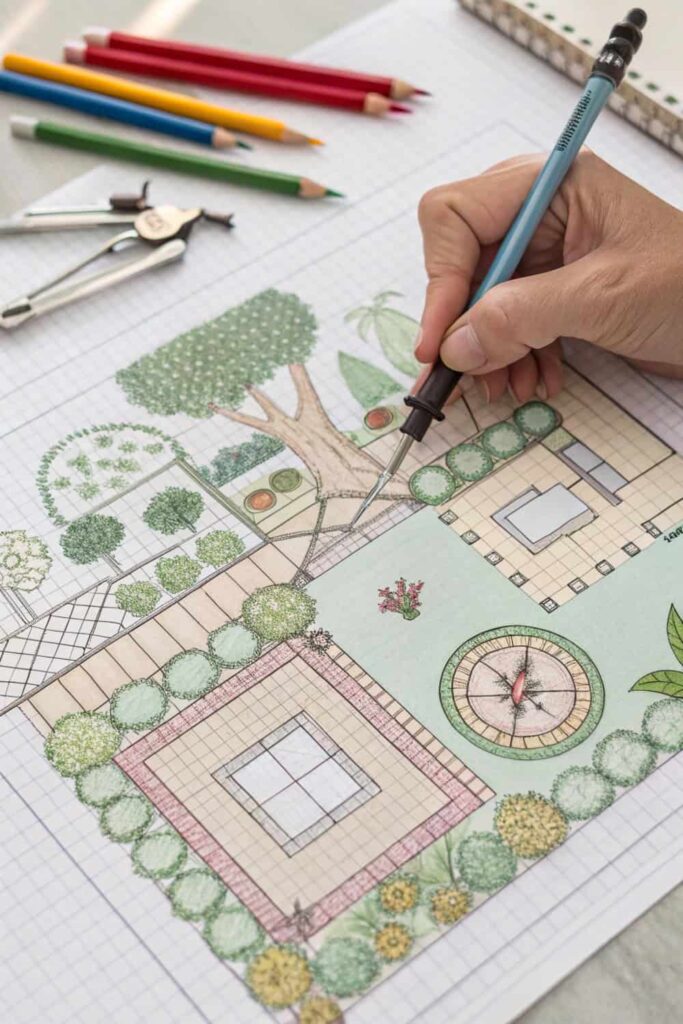
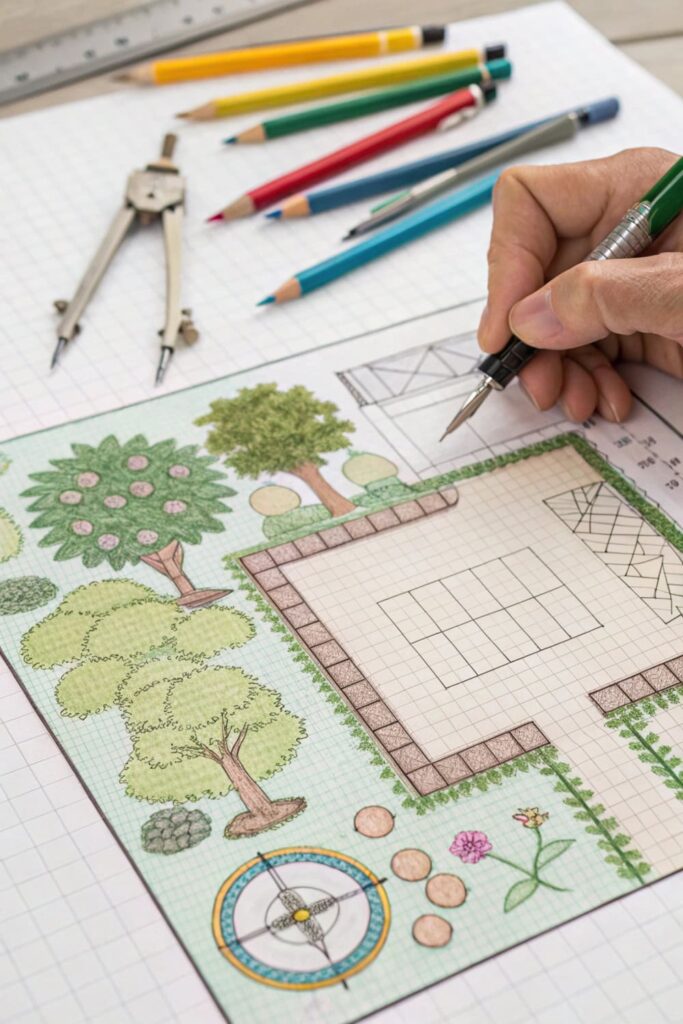
Actually creating a home garden design drawing is a fun, crucial step that moves your ideas from your head to paper. You don’t need to be an architect! Use graph paper for accuracy, with each square representing a certain measurement (like one foot). First, draw your existing elements. Next, use stencils or simple shapes (circles for trees, squares for beds) to rough out your new layout. Add arrows to show the direction of drainage or where light hits. This drawing becomes your final guide for installation.
Save what you love, hover or tap the image and pin it now.
Save what you love, hover or tap the image and pin it now.
Pro tip: Make a key or legend for your drawing, listing plant names and materials, so when you are shopping or building, you remember exactly what belongs where.
Big Picture Planning: Home Garden Design Ideas Landscapes
For those with larger yards, thinking about home garden design ideas and landscapes means looking beyond the immediate planting beds to the property as a whole. Consider how the garden relates to the surrounding environment and the neighborhood.
Use plants of varying heights to create visual interest—a ground cover layer, a middle layer of shrubs, and a tall canopy layer of trees. Focus on creating year-round interest by including evergreen plants and plants that bloom or offer color in different seasons. This landscape approach creates depth and harmony across the entire property.
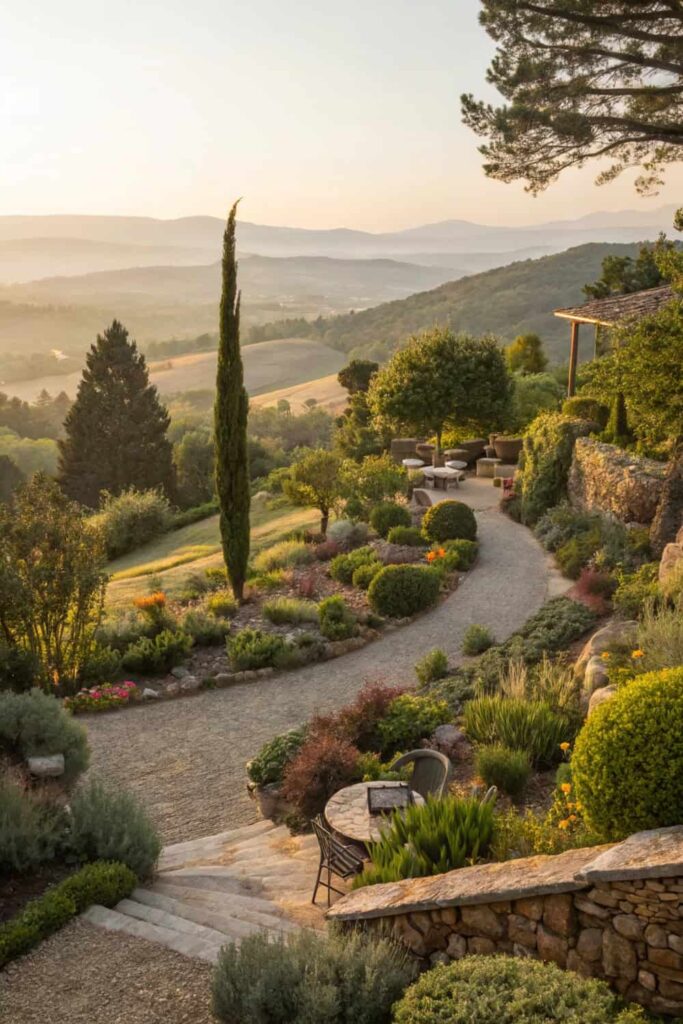
Save what you love, hover or tap the image and pin it now.
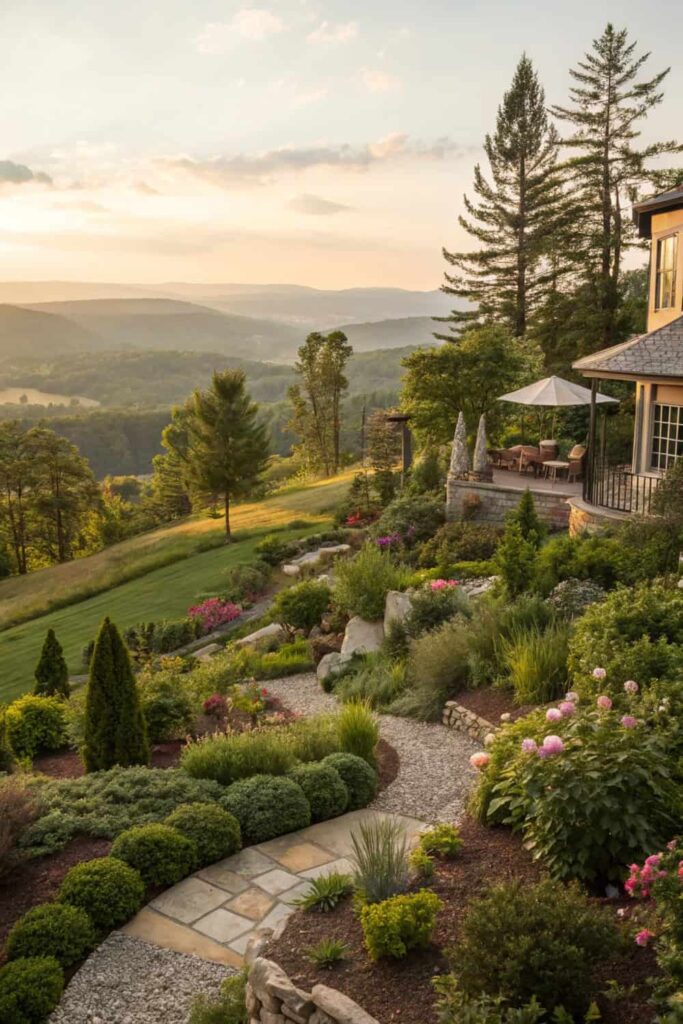
Save what you love, hover or tap the image and pin it now.
Pro tip: Borrow a view from outside your yard—if your neighbor has a lovely mature tree, position a seating area so that you can enjoy the sight of it, effectively making it part of your landscape.
Comparison Table of Home Garden Designs
| Design Style | Key Features | Best For… | Maintenance Level | Vibe/Feeling |
| Cottage | Informal, dense planting, climbing roses, winding paths | Small, older homes; lots of flowers | High (deadheading, weeding) | Romantic, charming, abundant |
| Formal | Geometric shapes, symmetry, hedged borders, central focal point | Large, classic homes; grand entrances | Medium to High (precise pruning) | Elegant, ordered, stately |
| Naturalistic | Native plants, drifts of grasses, irregular pathways | Large properties; natural landscapes | Low (focused on ecology) | Wild, relaxed, ecological |
| Modern | Clean lines, structural plants, simple materials (concrete, steel) | New builds; urban settings | Medium (needs precise edges) | Minimalist, sleek, architectural |
Recommended Products for Home Garden Design
Modular Vertical Garden Kit
This easy-to-assemble kit lets you transform any sunny wall into a lush green space instantly. Perfect for renters and small spaces, its modular design allows you to reconfigure the layout anytime. It’s a fantastic, space-saving way to bring fresh herbs or flowers right outside your door. [Buy from Amazon]
Professional Garden Design Template Set
Stop sketching freehand! This durable plastic template includes perfectly scaled shapes for common garden elements like trees, shrubs, patio furniture, and pools. It makes creating a precise home garden design plan simple and ensures your final drawing is clear and professional-looking, even if you’re a beginner. [Buy from Amazon]
Heavy-Duty Galvanized Raised Garden Bed
Made from rust-resistant, thick steel, this raised bed offers a durable, tidy solution for growing vegetables or flowers. Its depth is perfect for healthy root growth, and the home garden designs are easy to fit into geometric, modern layouts. It’s an ideal choice for improving soil quality and drainage in any yard. [Buy from Amazon]
Frequently Asked Questions
H3: How do I choose the right plants for my home garden designs?
The best way is to start with the ‘right plant, right place’ rule, choosing plants based on your soil type, sun exposure, and the local climate zone. Always use a mix of plant types, focusing on native species that naturally thrive in your area with less maintenance.
H3: What is the difference between hardscape and softscape?
Hardscape refers to the non-living elements, such as patios, decks, fences, retaining walls, and pathways. Softscape is everything living—the plants, flowers, trees, lawn, and shrubs that bring the garden to life.
H3: How can I make my small yard look bigger?
Use diagonal lines for paths and sightlines, as this tricks the eye into seeing more distance, and strategically place a mirror or a reflective water feature to create the illusion of more space. Also, keep the view to the back of the yard slightly obscured to suggest there’s more to explore.
Conclusion
Creating the perfect home garden design is an incredibly rewarding process that turns a simple yard into a cherished personal retreat. It doesn’t happen overnight, but by breaking it down into manageable steps—from observation and making a home garden design drawing to selecting your materials and plants—you set yourself up for success.
Remember, whether you’re working on sprawling home garden design ideas, landscapes, or looking for clever home garden design small outdoor solutions, the best design is the one that reflects your personal style and meets your functional needs. Don’t be afraid to experiment with textures, colors, and forms, and always keep your maintenance reality in check. The most beautiful garden is the one that brings you joy, so take your time, enjoy the planning, and watch your outdoor space blossom into the sanctuary you’ve always wanted. Happy gardening!

Save what you love, hover or tap the image and pin it now.