Lush, Low-Maintenance Garden Designs for an Outdoor Oasis”
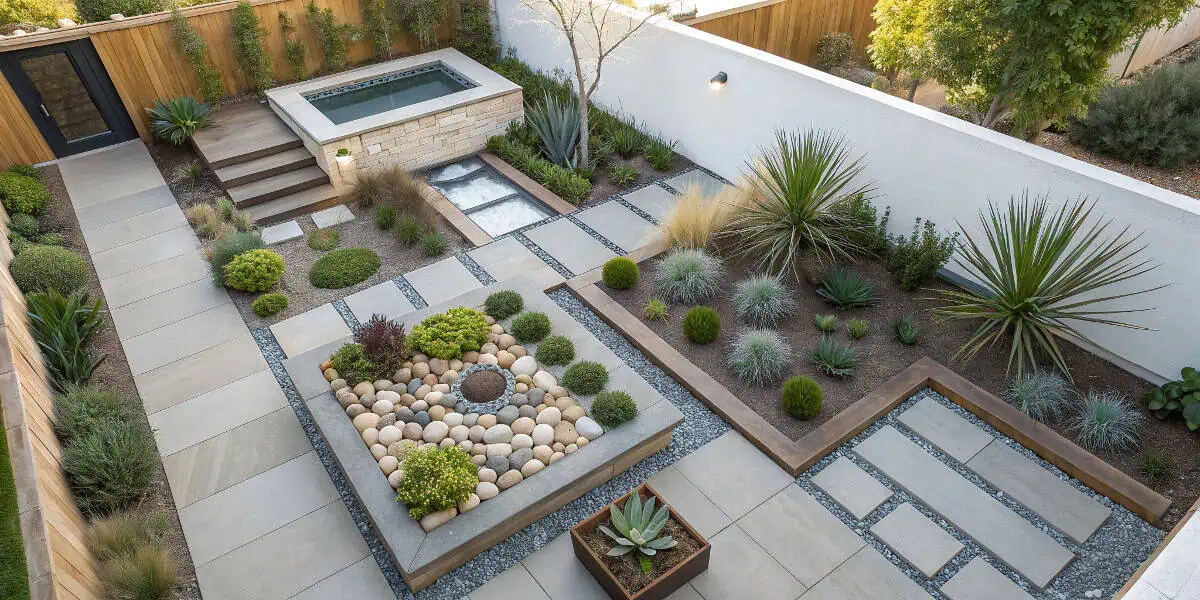
Liberate your compact yard with smart Garden Designs, such as strategic plant placement using the rule of odd numbers and dominant focal plants. Maximize space with vertical systems, including wall-mounted modules, tiered planters, and trellises for climbing varieties.
Choose drought-tolerant succulents, native perennials, and evergreens for low-maintenance, year-round appeal. Use light-colored hardscaping, layered plantings, and linear pathways to create the illusion of more space. These garden ideas unlock your yard’s full design potential.
Maximize style with plant placement & Garden Designs
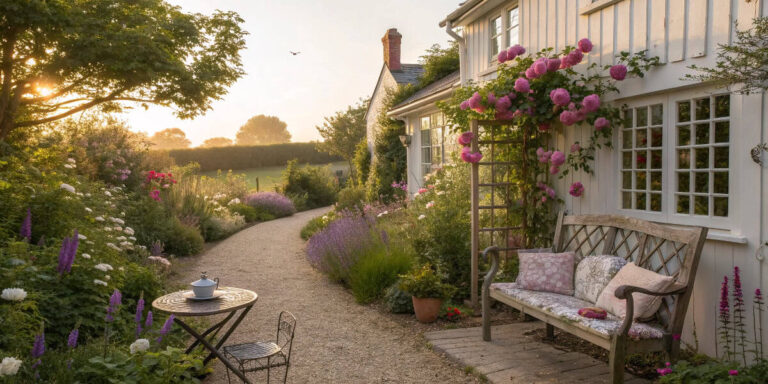
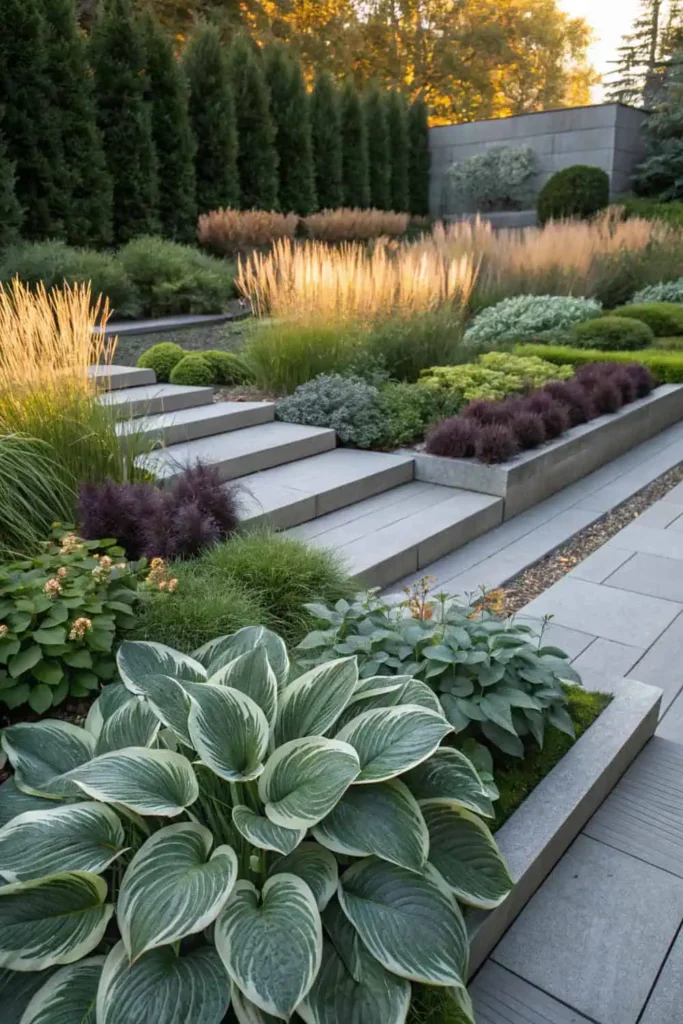
When you position plants with intentional hierarchy and scale relationships, you create visual anchors that guide the eye through your garden’s composition. Establish dominant specimens as primary focal points, then layer secondary plantings to support this visual structure. Utilize the rule of odd numbers in your focal point arrangement—grouping plants in clusters of three or five fosters a natural, asymmetrical balance.

Save what you love, hover or tap the image and pin it now.
Strategic border planting helps define spatial boundaries while preserving sight lines. Place taller architectural plants at corners and change points, gradually reducing height toward the center areas. This approach enhances depth perception in confined spaces.
Layer textures systematically: position fine-textured groundcovers in the foreground, medium-textured perennials in the middle ground, and bold-textured specimens as backdrop elements. This dimensional layering amplifies the perceived space while requiring minimal maintenance intervention.
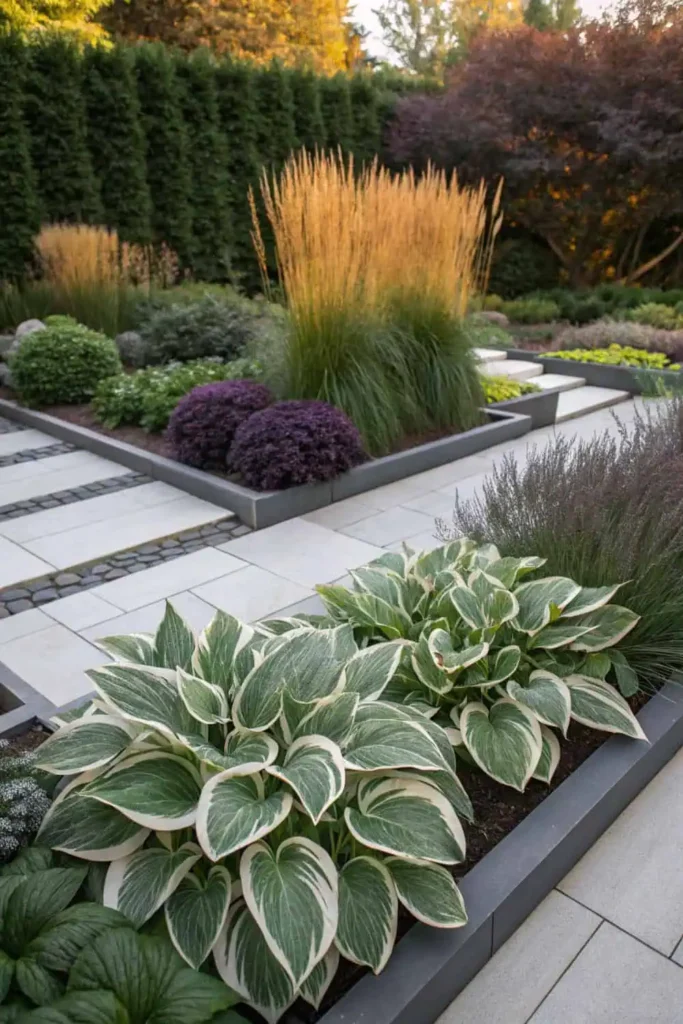
Save what you love, hover or tap the image and pin it now.
Pro tip: Aim for variety in plant heights and textures to create visual interest and depth throughout your garden.
Vertical Gardening Solutions for Compact Spaces
Since ground space limitations constrain traditional planting approaches, vertical systems liberate three-dimensional growing potential within compact garden footprints. You’ll maximize square footage through wall-mounted modules, tiered planters, and climbing structures that transform vertical surfaces into productive growing zones.
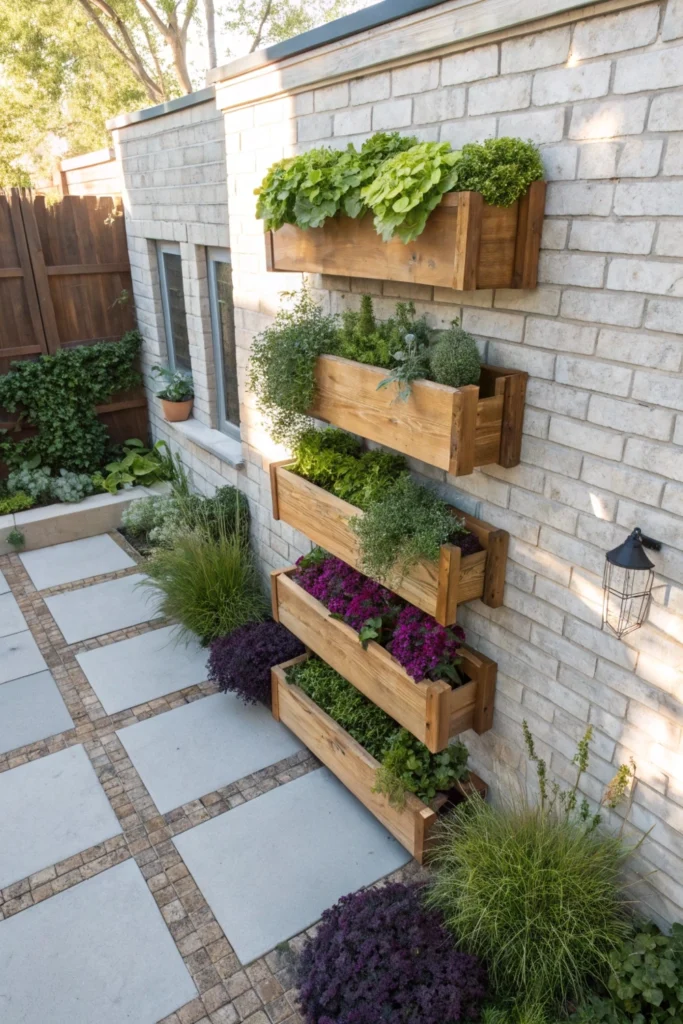
Save what you love, hover or tap the image and pin it now.
Trellis systems provide essential support infrastructure for vining crops and ornamental climbers while creating privacy screens and design definition. Install modular frameworks using galvanized steel or cedar construction for longevity and structural integrity. Position trellis assemblies against fences, walls, or as freestanding dividers.
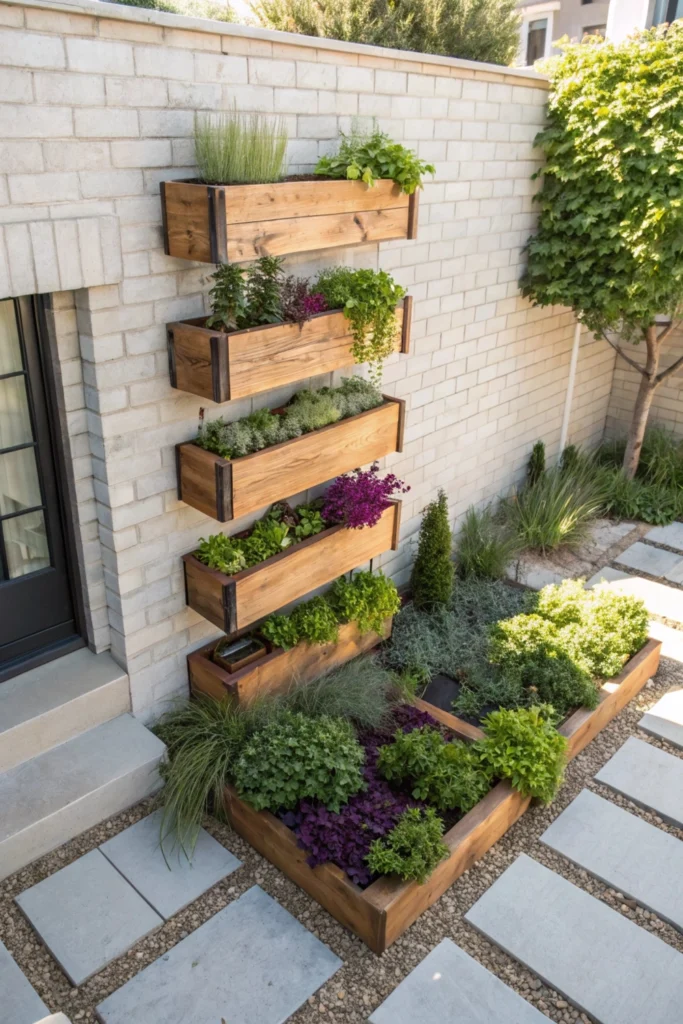
Save what you love, hover or tap the image and pin it now.
Space-saving planters optimize vertical real estate through stackable configurations and hanging installations. Select containers with integrated drainage systems and mounting hardware rated for soil weight loads. Arrange planters in cascading formations to create visual depth while ensuring adequate light penetration for lower-tier plantings.
Pro tip: Consider incorporating a drip irrigation system to efficiently water your vertical garden and reduce maintenance time.
Low-Maintenance Plant Varieties That Deliver Year-Round Appeal
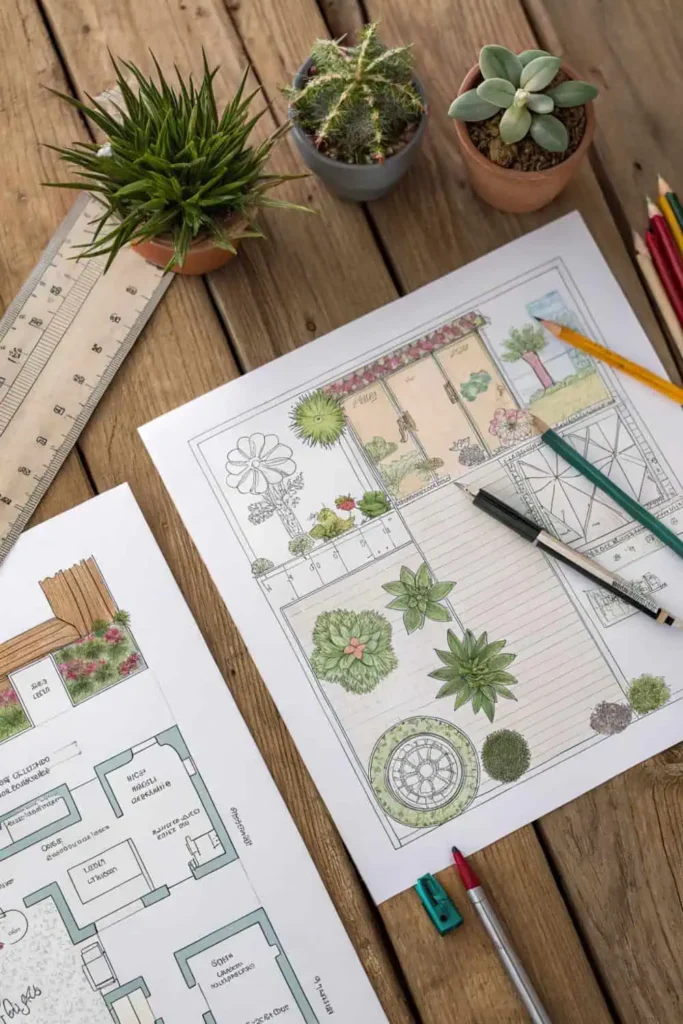
Low-maintenance plant selections form the backbone of sustainable garden design, particularly when implementing vertical growing systems that demand consistent performance with minimal intervention. To achieve optimal results, select drought-tolerant succulents like Sedum varieties, Echeveria, and Hens-and-Chicks for your upper tiers, especially where irrigation access is challenging.
Save what you love, hover or tap the image and pin it now.
Incorporate pollinator-friendly perennials such as Black-eyed Susan, Purple Coneflower, and Lavender in mid-level plantings to establish ecological connectivity while reducing maintenance schedules.
Your design strategy should emphasize native species adapted to local climate conditions, ensuring reduced water requirements and pest resistance. Consider evergreen selections like ornamental grasses and dwarf conifers for structural continuity throughout seasonal changes.
Save what you love, hover or tap the image and pin it now.
These strategic plant choices create visual interest across multiple seasons while minimizing pruning, fertilization, and replacement cycles essential for long-term garden sustainability.
Pro tip: Choose a variety of textures and colors to enhance visual appeal while sticking to low-maintenance species for a thriving garden year-round.
Creating Depth and Dimension With Layered Design Elements
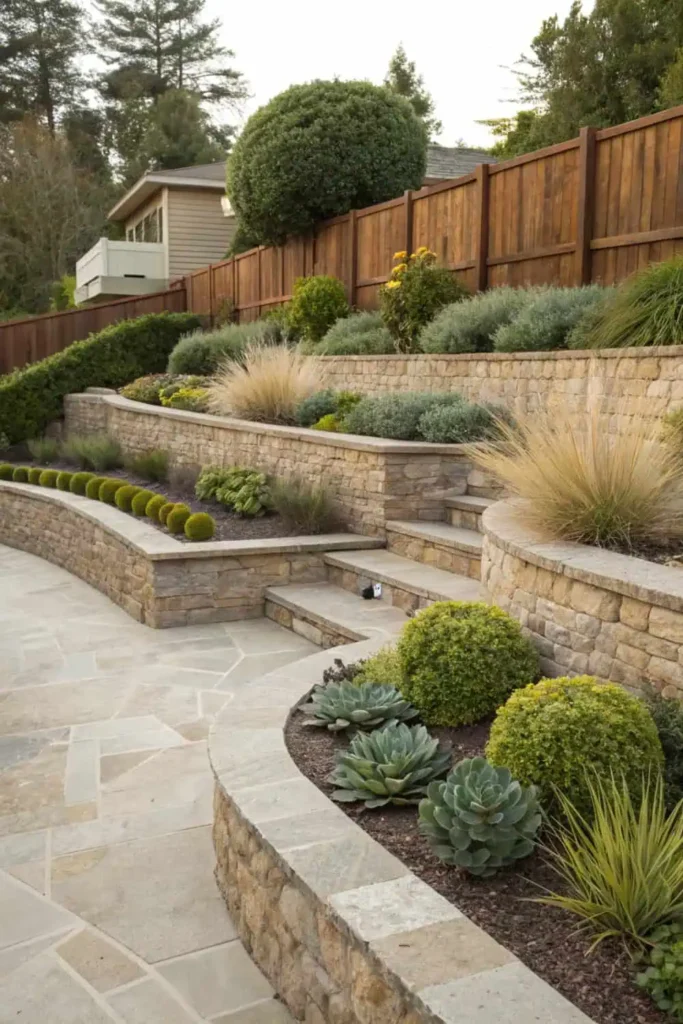
While vertical gardens are excellent for maximizing growing space, creating visual depth requires careful consideration of design elements placed at varying heights, textures, and focal distances. By layering textures through thoughtful plant selection and hardscape integration, you can craft compelling compositions. Incorporating contrasts between fine and coarse foliage, matte and glossy surfaces, and geometric versus organic forms helps to avoid visual monotony.
Save what you love, hover or tap the image and pin it now.
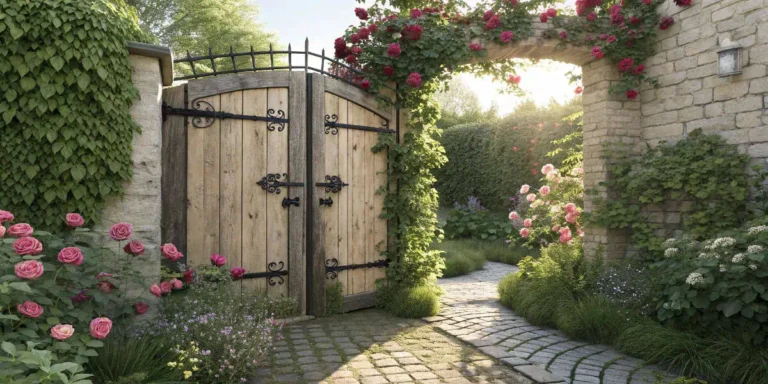
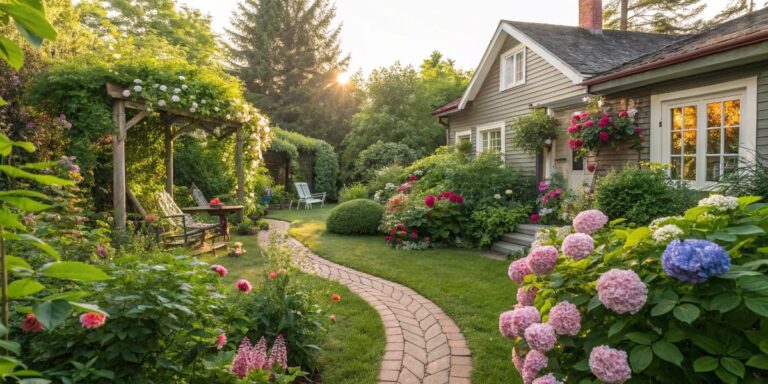
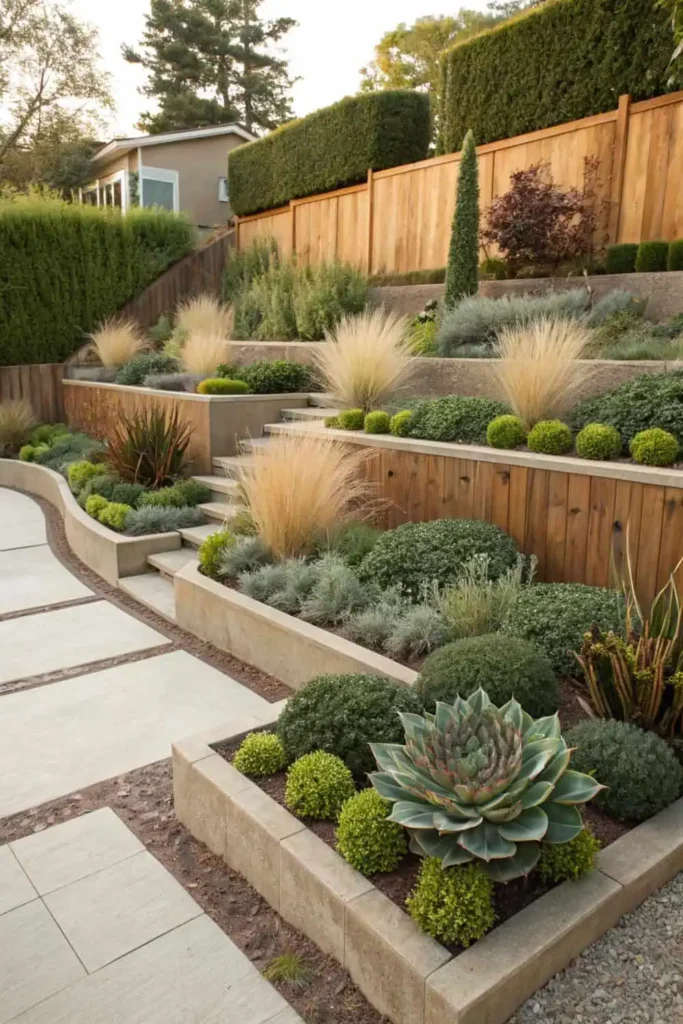
Place tall backdrop elements against boundaries, with medium specimens in the mid-ground, and low groundcovers positioned in front. Alternate dense plantings with open spaces to provide breathing room and visual interest. Install stepping stones or pathways that guide the eye through different zones of the garden.
Utilize color temperature shifts, transitioning from warm hues in the foreground to cooler tones in the background. Integrate structural features like trellises, pergolas, or sculptural elements as vertical anchors to enhance depth.
This systematic approach transforms compact spaces into visually expansive environments.
Save what you love, hover or tap the image and pin it now.
Pro tip: Experiment with different plant heights and textures to find the perfect balance that enhances the visual appeal of your garden.
Smart Hardscaping Choices That Expand Your Space
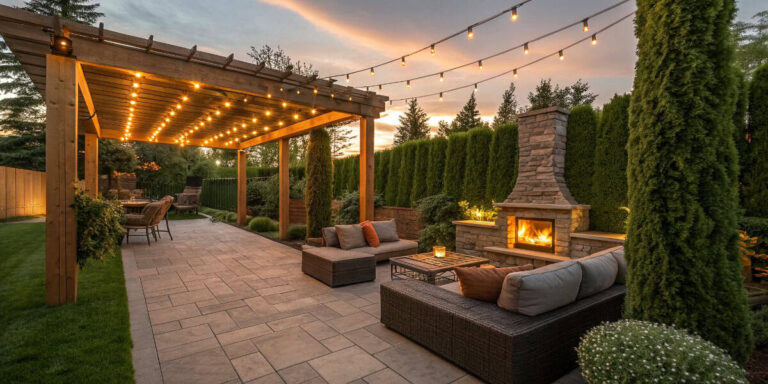
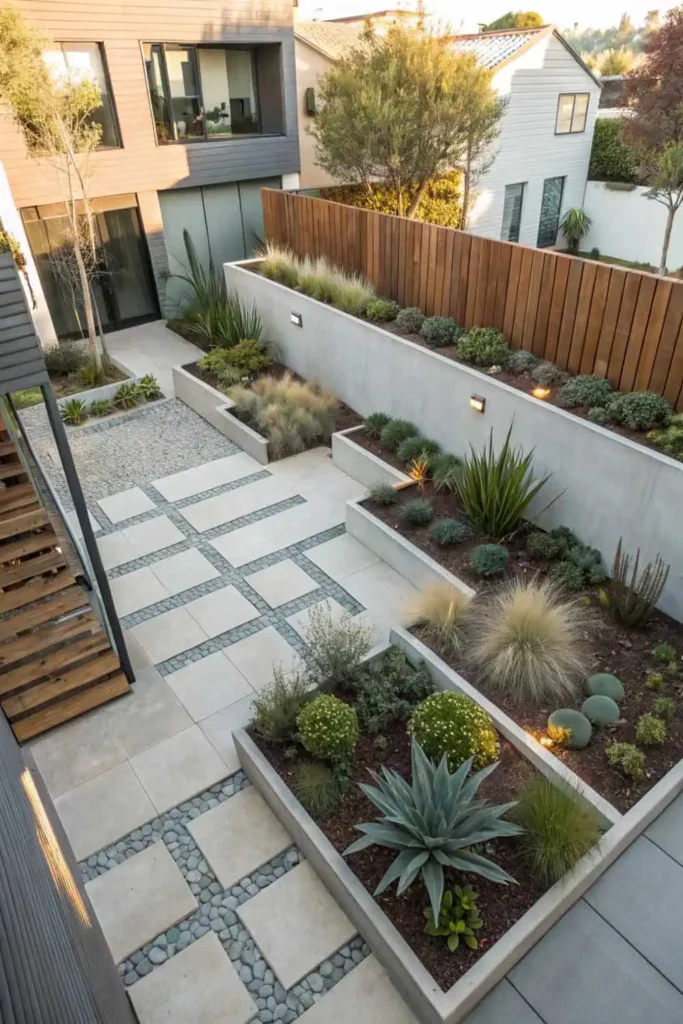
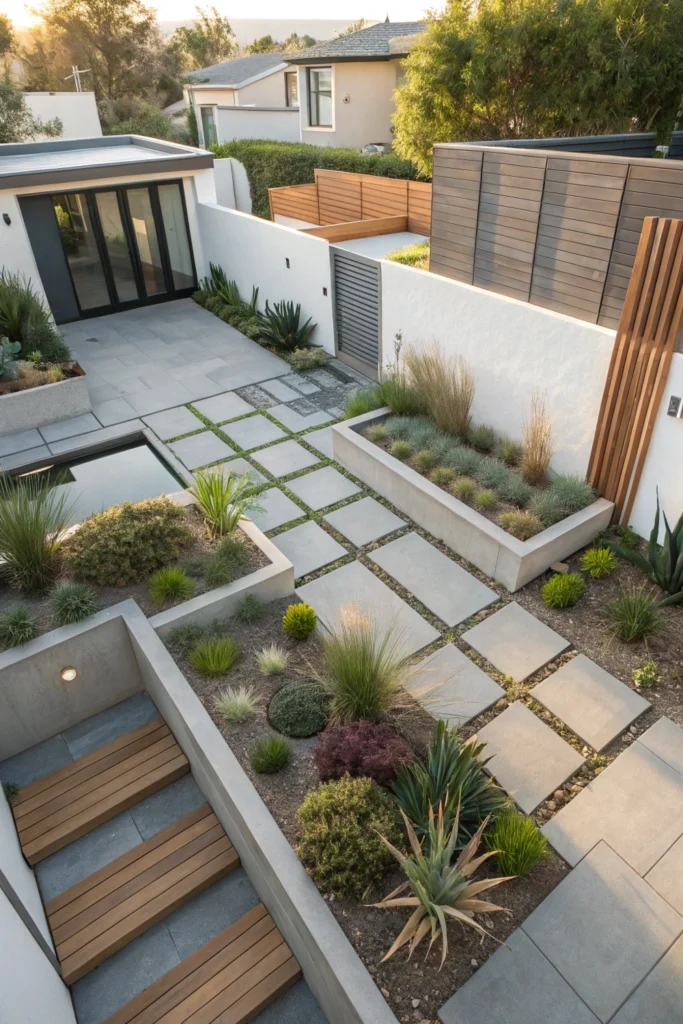
When you integrate carefully selected hardscaping materials into your garden design, you’ll find that strategic choices can significantly enhance spatial perception and functionality. Light-colored pavers and concrete can create a sense of visual expansion through their reflective properties, while permeable materials like gravel or decomposed granite provide efficient use of resources with minimal installation requirements.
Save what you love, hover or tap the image and pin it now.
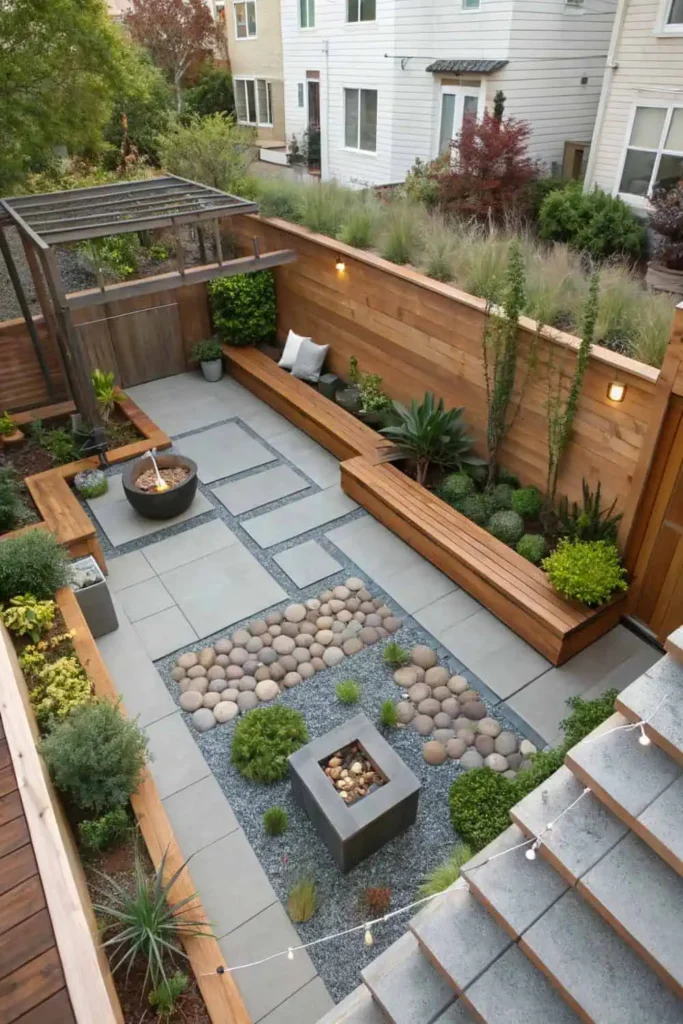
Consider incorporating versatile design elements such as multi-level retaining walls that serve a dual purpose as seating, or modular stone systems that help define zones without creating barriers. Linear pathways with a consistent width promote flow continuity, making compact areas appear longer.
Save what you love, hover or tap the image and pin it now.
Opt for materials with varied textures—smooth steel planters can contrast beautifully with rough stone surfaces, adding depth and interest. By strategically placing hardscape features, you can create focal points that draw the eye outward, effectively expanding perceived boundaries while ensuring structural integrity and design coherence throughout your space.
Pro tip: Choose light-colored and textured materials to enhance the visual appeal and functionality of smaller spaces.
Multi-Functional Features That Save Space and Time
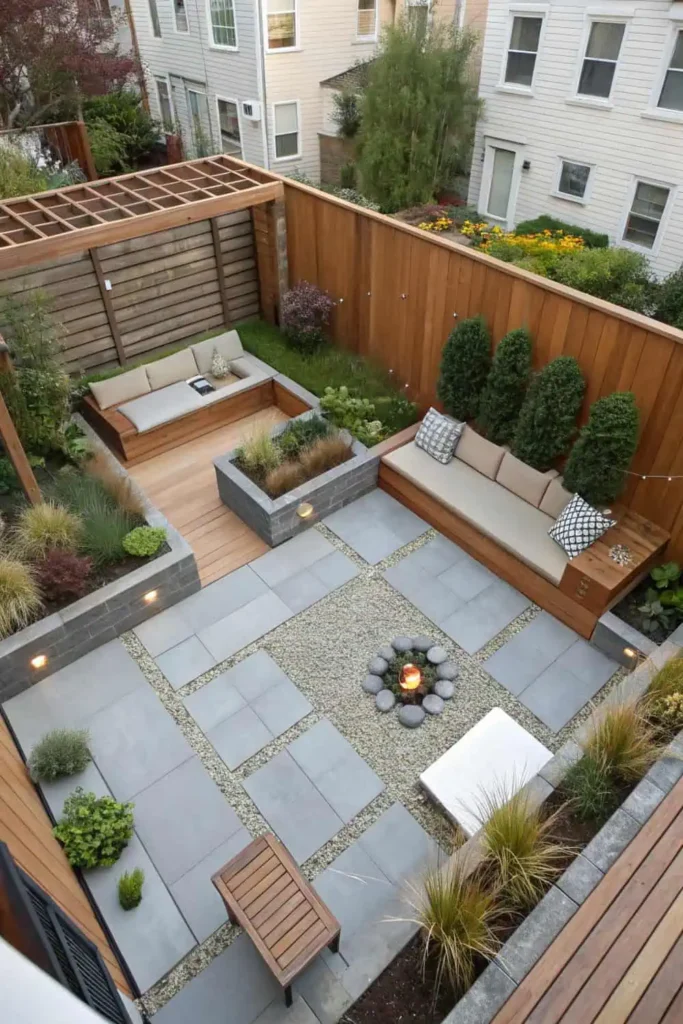
Every successful garden design maximizes utility through features that perform multiple functions simultaneously. You’ll achieve ideal space efficiency when integrating multifunctional furniture and space-saving accessories that eliminate design redundancy. These strategic elements convert compact areas into highly productive outdoor environments while reducing maintenance demands.
Save what you love, hover or tap the image and pin it now.
Consider these essential multi-purpose solutions:
Strategic implementation of these dual-purpose elements maximizes your garden’s functional density while maintaining aesthetic coherence throughout the design blueprint.
Save what you love, hover or tap the image and pin it now.
Pro tip: Always consider the specific needs of your garden space to choose the most effective multifunctional solutions.
Color Schemes and Textures That Make Small Yards Feel Larger
Save what you love, hover or tap the image and pin it now.
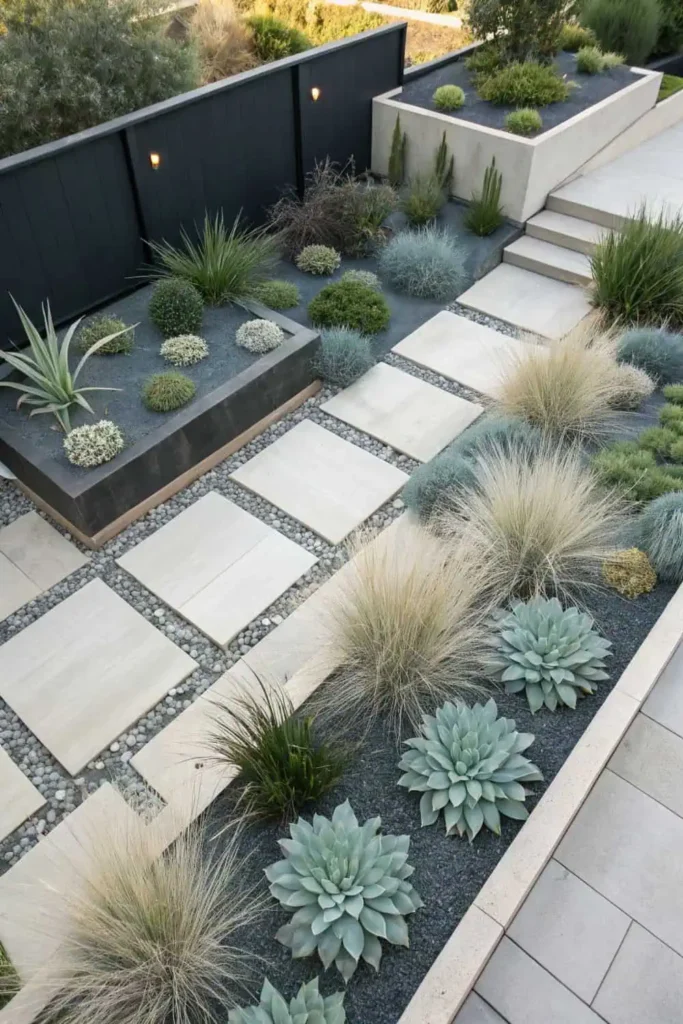
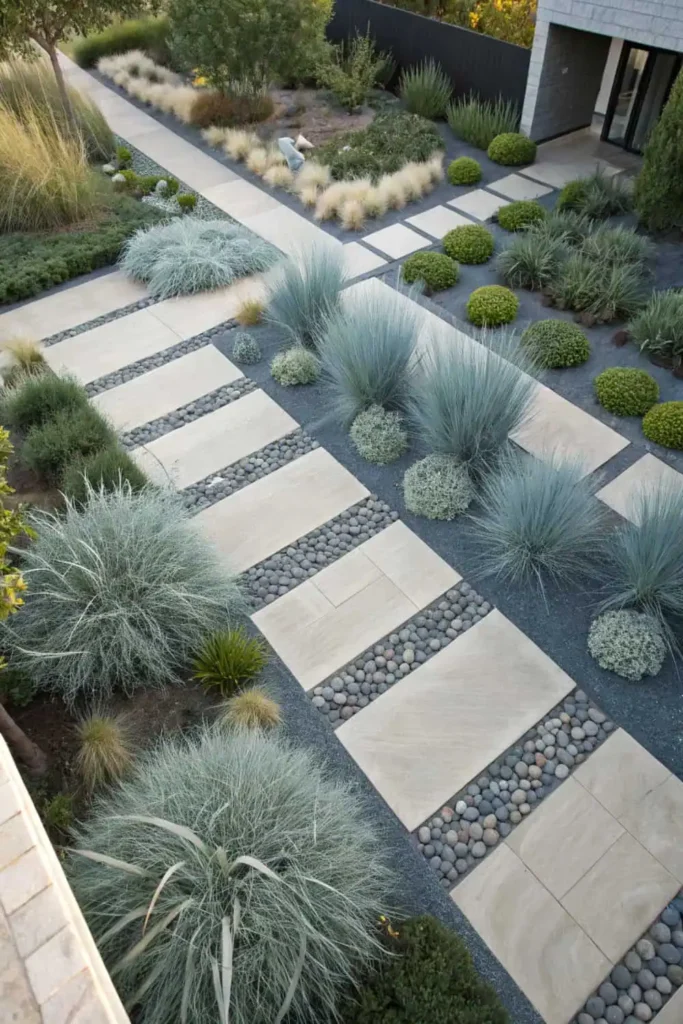
Strategic color placement and textural contrast create powerful visual illusions that expand perceived spatial boundaries in compact garden environments. By positioning warm-toned plantings in the foreground and establishing cool blues and purples in the background, you’ll maximize depth perception.
This temperature gradient naturally draws the eye inward, creating dimensional layering that enhances spatial perception.
| Color Strategy | Application Technique |
|---|---|
| Cool Background Hues | Blue hostas, purple salvias in rear borders |
| Warm Foreground Accents | Orange marigolds, red geums near pathways |
| Neutral Shifts | Silver artemisia, gray-green sedums mid-ground |
Incorporate visually striking textures through complementary hues—pair fine-textured ornamental grasses with broad-leafed specimens. Light-colored foliage reflects illumination, brightening shadowed corners, while dark plantings create sophisticated backdrop contrasts that enhance spatial definition.
Pro tip: Use a mix of color temperatures and textures to create a sense of depth, making your small yard feel more expansive.
Save what you love, hover or tap the image and pin it now.
Water-Wise Garden Plans for Minimal Upkeep
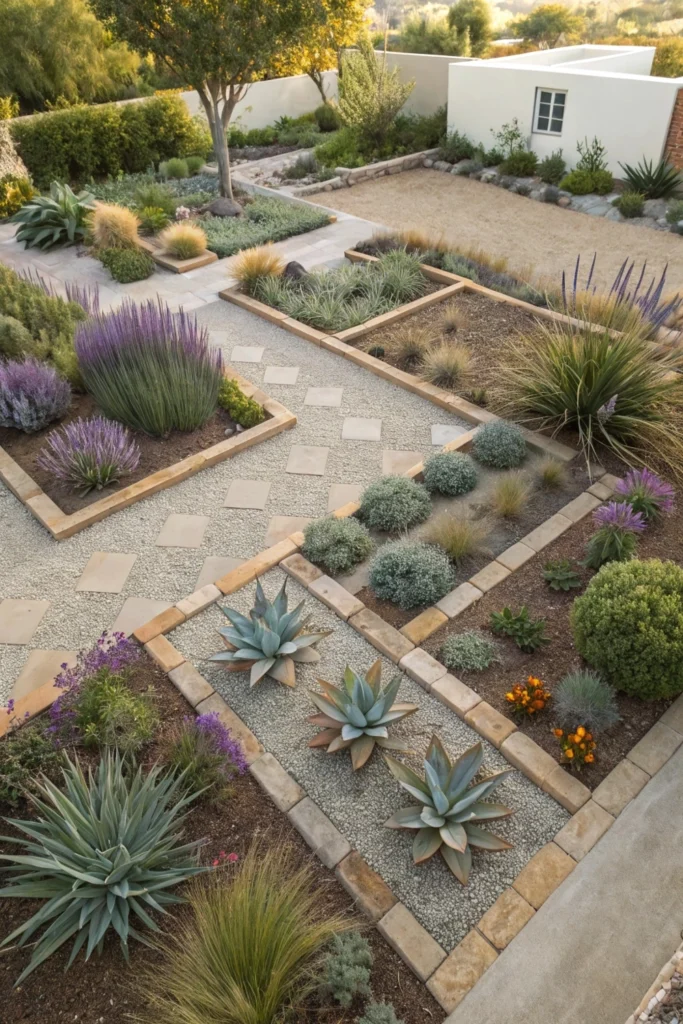
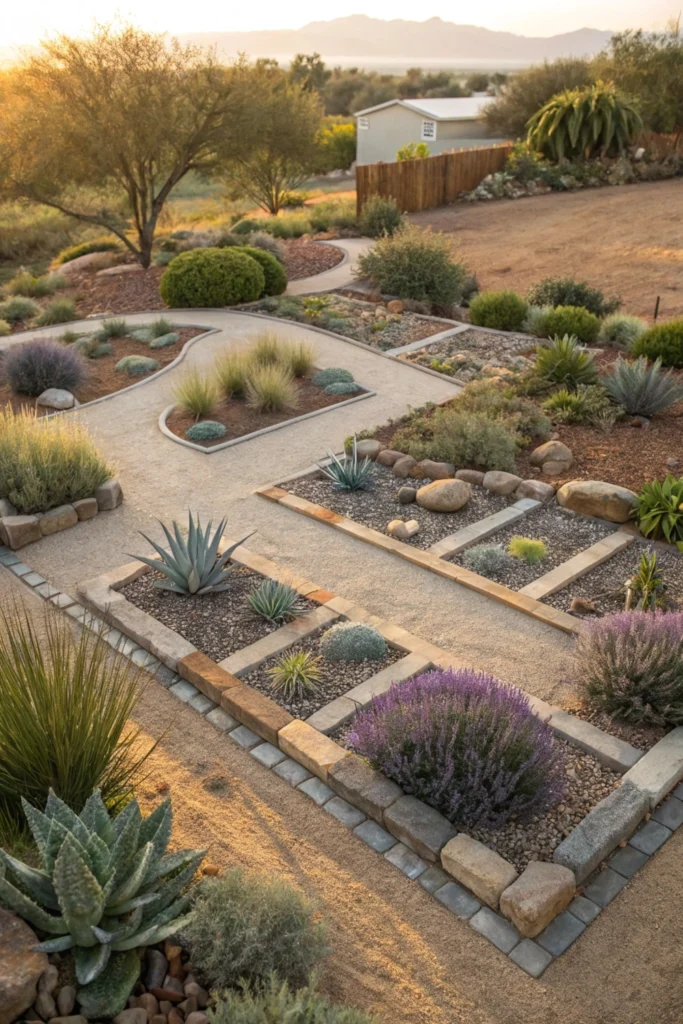
Although water conservation remains paramount in contemporary garden design, you can achieve stunning visual impact through xerophytic design principles that eliminate irrigation dependency. Strategic drought-tolerant plantings create structural frameworks while significantly reducing maintenance demands.
Save what you love, hover or tap the image and pin it now.
Xerophytic design principles deliver striking visual results while eliminating irrigation needs through strategic drought-tolerant plantings that reduce maintenance.
Your water-wise approach should incorporate these essential elements:
By selecting regionally appropriate species that thrive without supplemental watering, you’ll maximize resource efficiency. Focus on architectural plants like agaves, ornamental grasses, and Mediterranean herbs that provide year-round structure while demanding minimal intervention.
Pro tip: Choose plants that are adapted to your local climate to enhance resilience and reduce upkeep.
Save what you love, hover or tap the image and pin it now.
Seasonal Interest Without the Seasonal Work
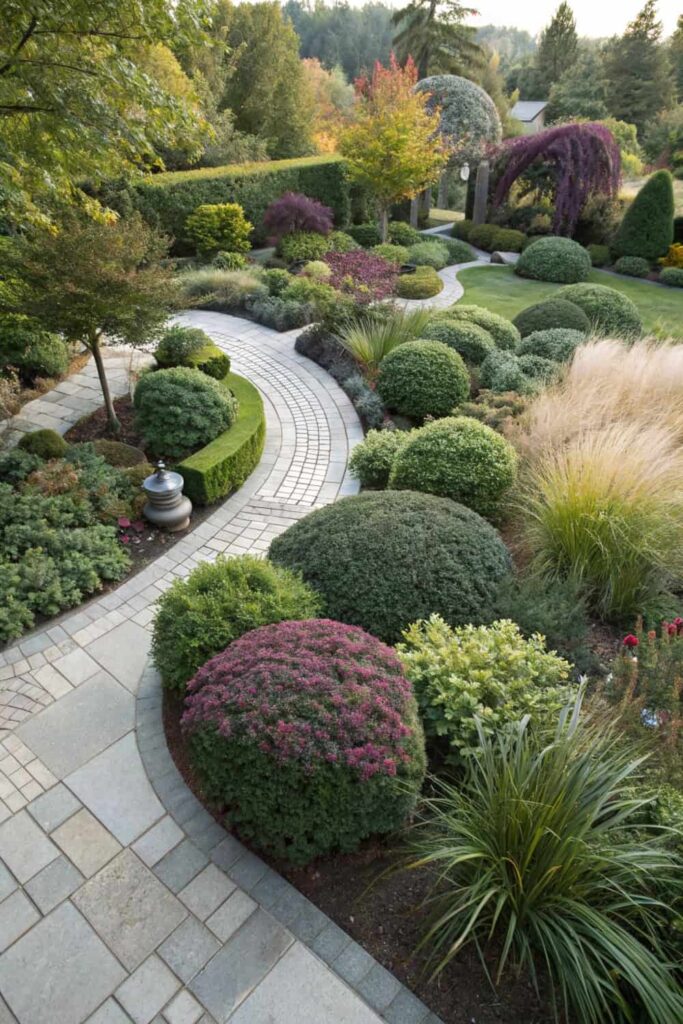
Layer multi-seasonal flower arrangements strategically: begin with early bulbs transitioning to perennials, followed by late-blooming asters and sedums. Integrate plants that showcase autumn foliage color and winter seed heads for year-round interest. Ornamental grasses, such as fountain grass and feather reed grass, provide structural presence during dormancy.
Save what you love, hover or tap the image and pin it now.
Select cultivars with staggered bloom times within the same species to prolong flowering periods. This systematic approach eliminates the need for seasonal replanting, ensuring your garden remains visually dynamic throughout all seasons without requiring extra maintenance.
Pro tip: Choose plants that complement each other in size and color for a cohesive look that lasts all year.
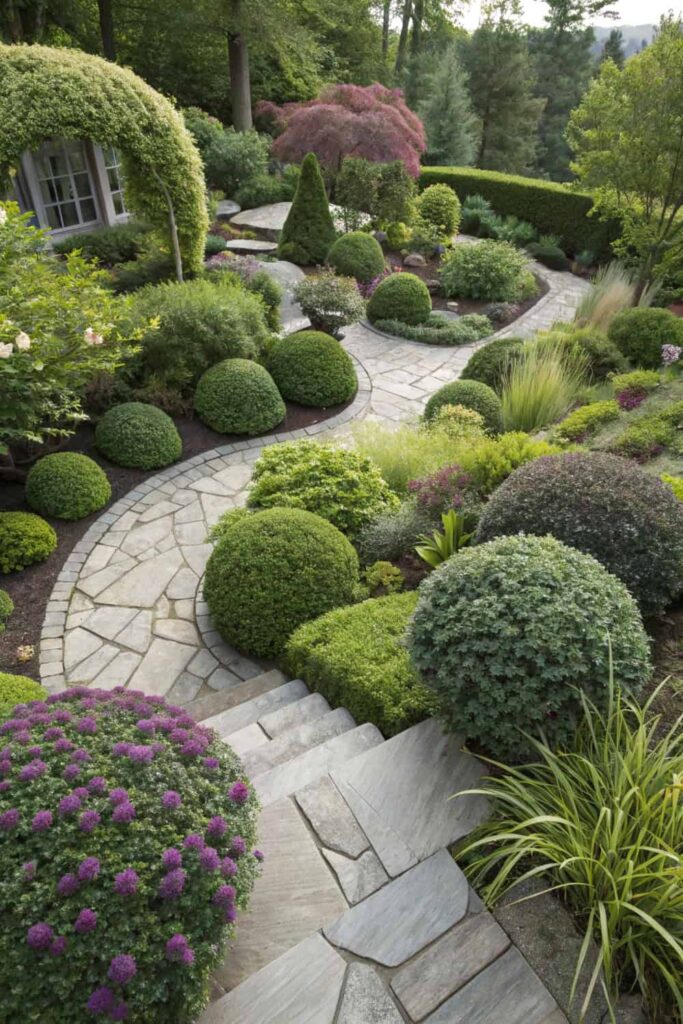
Save what you love, hover or tap the image and pin it now.
Mood Board & Color Palette
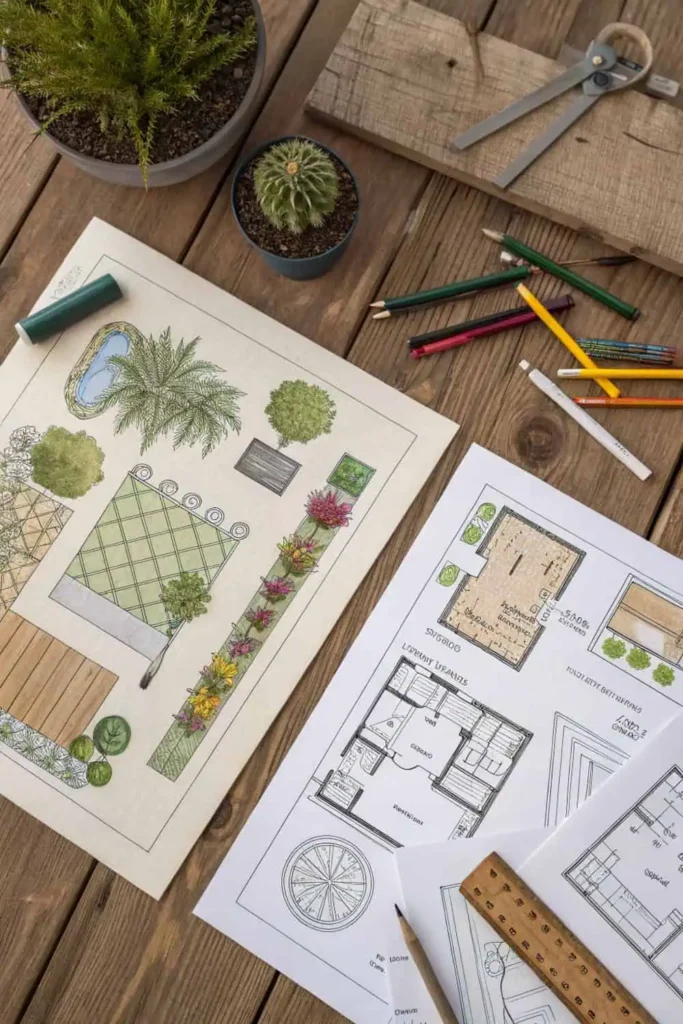
Before selecting plant material, establish your garden’s visual foundation through a detailed mood board that defines color relationships, textural contrasts, and atmospheric qualities. This strategic approach guarantees cohesive design execution while maximizing your small space’s impact potential.
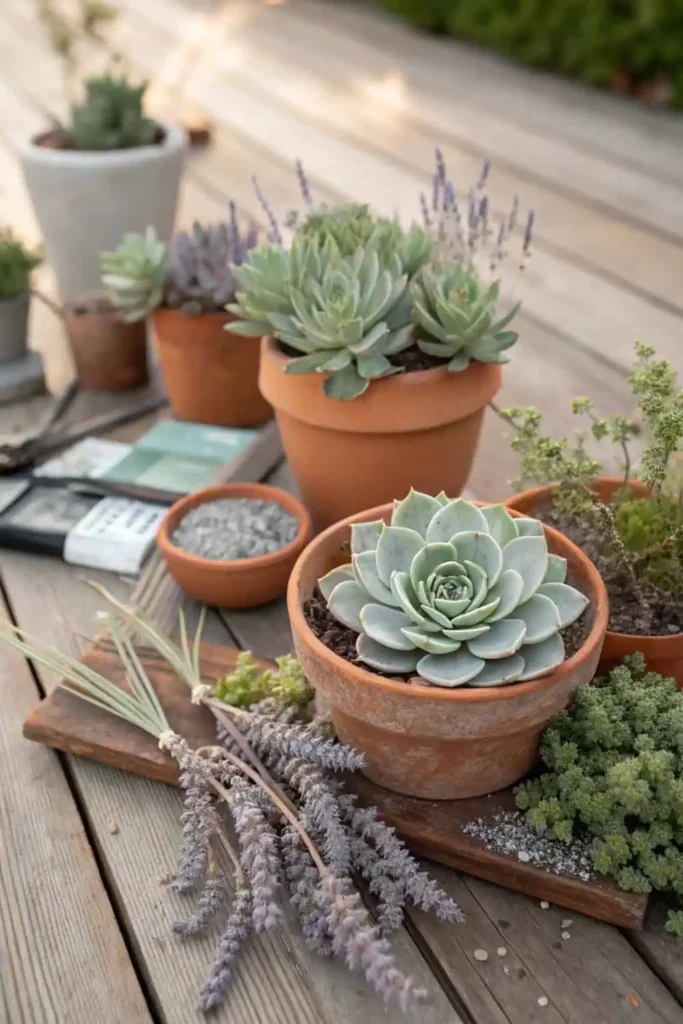
Save what you love, hover or tap the image and pin it now.
Your mood board inspiration should incorporate complementary color palettes that create visual depth without overwhelming limited square footage. Consider triadic schemes using purple, orange, and green for lively contrast, or analogous combinations like blue-violet, blue, and blue-green for harmonious flow.
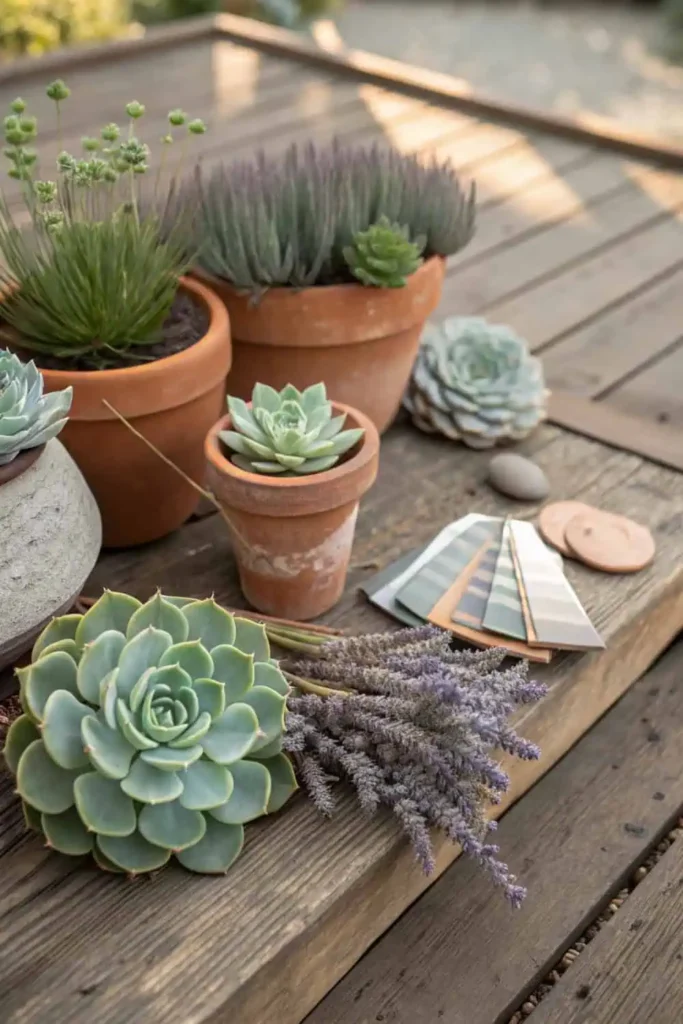
Save what you love, hover or tap the image and pin it now.
Pro tip: Regularly revisit and update your mood board to reflect any new inspirations or changes in your design vision.
Common Mistakes & Quick Fixes
Why do even well-intentioned garden designs fail to achieve their intended visual impact? You’re likely overlooking common traps that undermine spatial coherence and visual hierarchy.
Scale misalignment represents the primary culprit—oversized specimens overwhelming compact spaces or undersized plantings creating visual voids. To quickly fix this, establish proper plant-to-space ratios using mature dimensions, not nursery sizes.
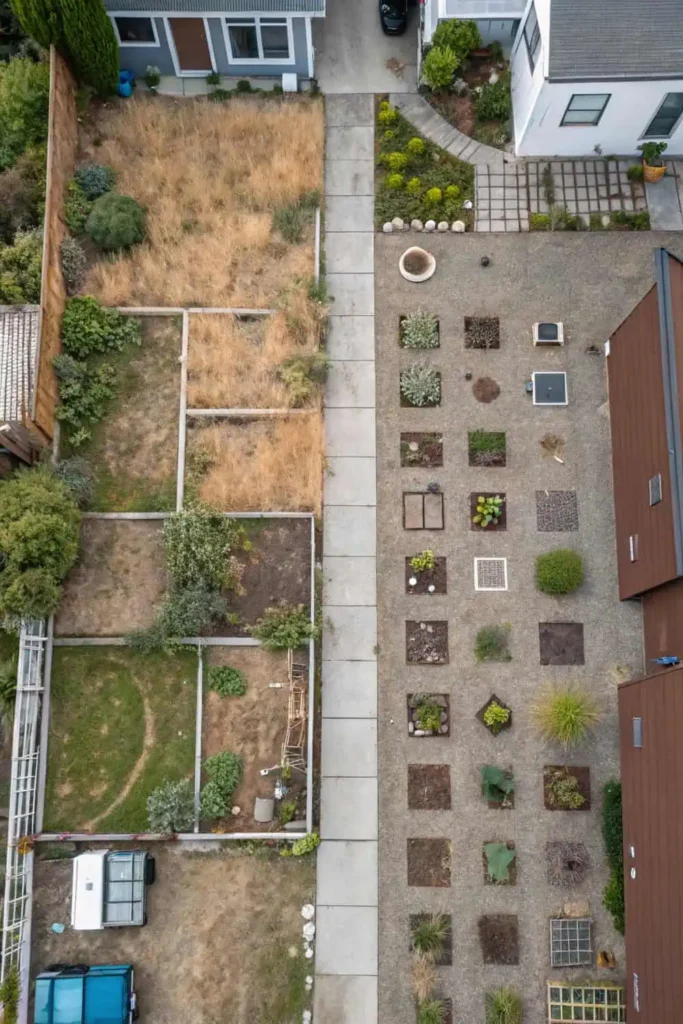
Save what you love, hover or tap the image and pin it now.
Color discord disrupts design unity when you select plants without considering seasonal shifts and bloom sequences. Implement your established palette systematically, ensuring chromatic balance across growing seasons.
Inadequate focal point hierarchy creates visual confusion. You’re avoiding amateur pitfalls by designating one primary focal element per sight line, supported by secondary accents that enhance rather than compete.
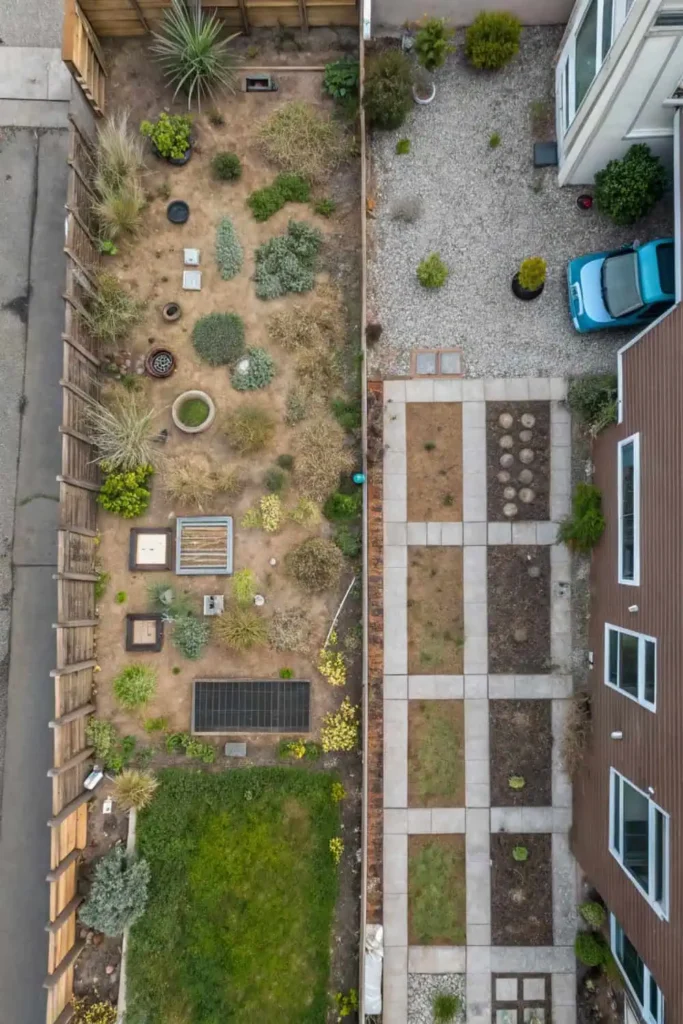
Save what you love, hover or tap the image and pin it now.
Poor maintenance planning sabotages long-term success. Match plant requirements to your available maintenance schedule, prioritizing native species with complementary growing conditions.
Pro tip: Always plan your garden with a focus on long-term growth and maintenance to ensure lasting beauty and cohesion.
Plant Selection Checklist
Although successful garden design depends on countless variables, your plant selection process requires methodical evaluation across five critical dimensions. Strategic native plant selection eliminates maintenance complications while establishing resilient ecosystem foundations. Drought-tolerant plant options significantly reduce irrigation demands and operational overhead.
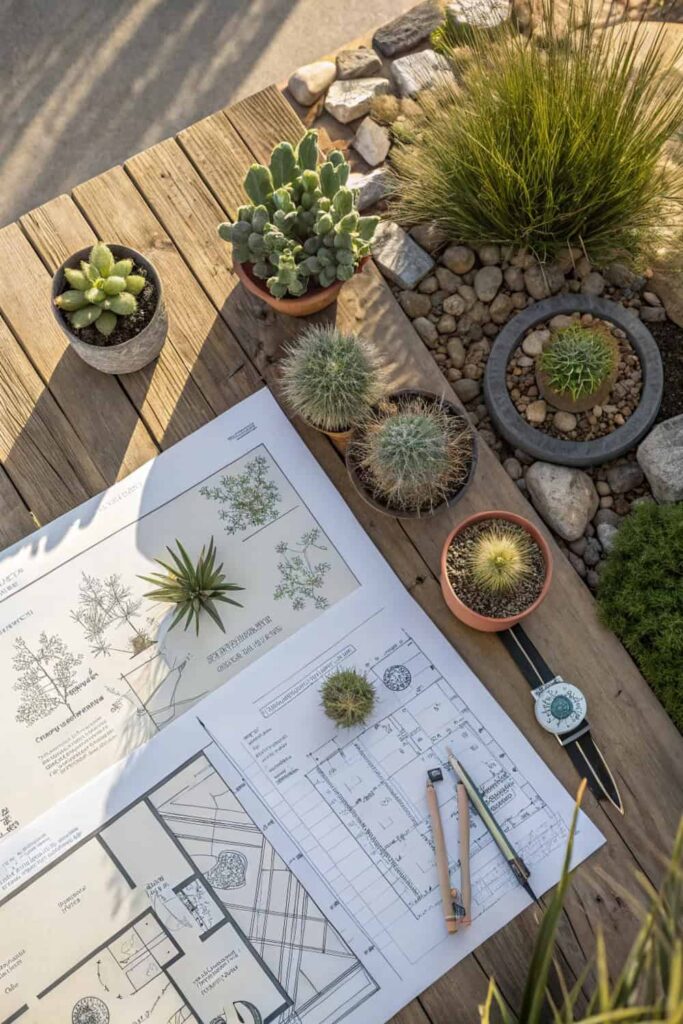
Save what you love, hover or tap the image and pin it now.
Your comprehensive evaluation framework must address:
This systematic approach transforms plant selection from guesswork into a precise design methodology, ensuring cohesive compositions that perform exceptionally within your specific environmental constraints.
Pro Tip: Always prioritize native plants for a thriving garden that requires less maintenance and supports local wildlife.
Budget-Friendly Garden Essentials
Strategic budget allocation maximizes your garden’s impact while minimizing financial strain through careful resource prioritization and timing. Achieve professional results by selecting affordable materials like decomposed granite pathways, pressure-treated lumber edging, and bulk mulch purchases.
Focus your spending on structural elements—hardscaping and mature anchor plants—while propagating perennials from cuttings.
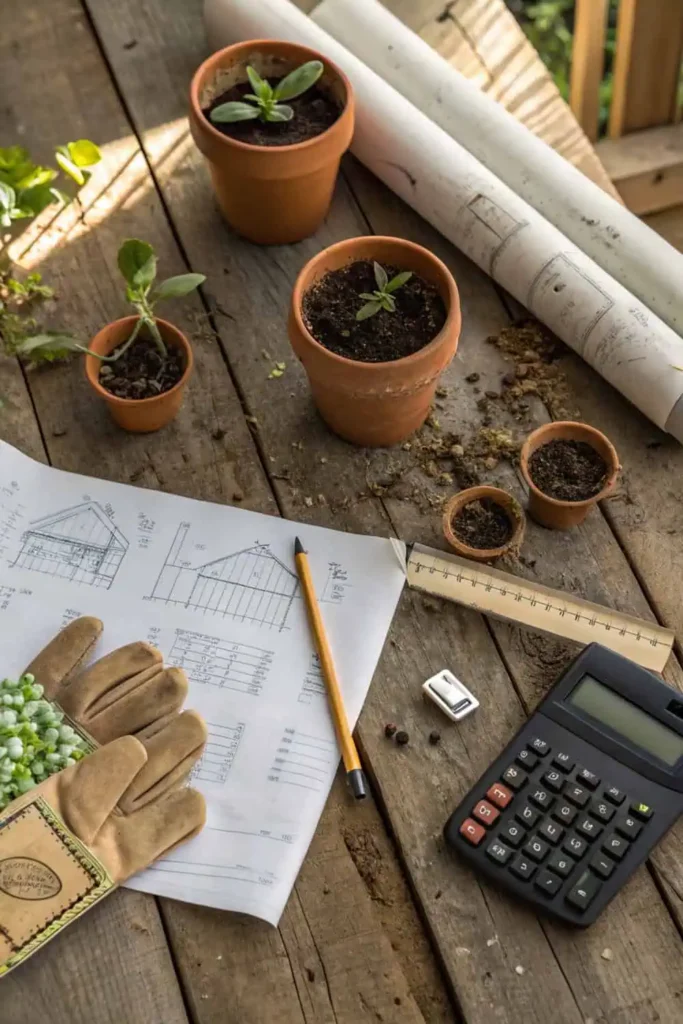
Save what you love, hover or tap the image and pin it now.
Essential DIY design tips include creating visual depth through layered plantings, utilizing vertical space with trellises, and establishing focal points with strategically placed containers. Purchase plants during end-of-season sales and opt for smaller specimens that will mature quickly. Invest in quality soil amendments rather than expensive decorative elements.
Substitute costly materials with creative alternatives: use gravel instead of expensive pavers, choose native plants over high-maintenance exotics, and repurpose containers as stylish planters.
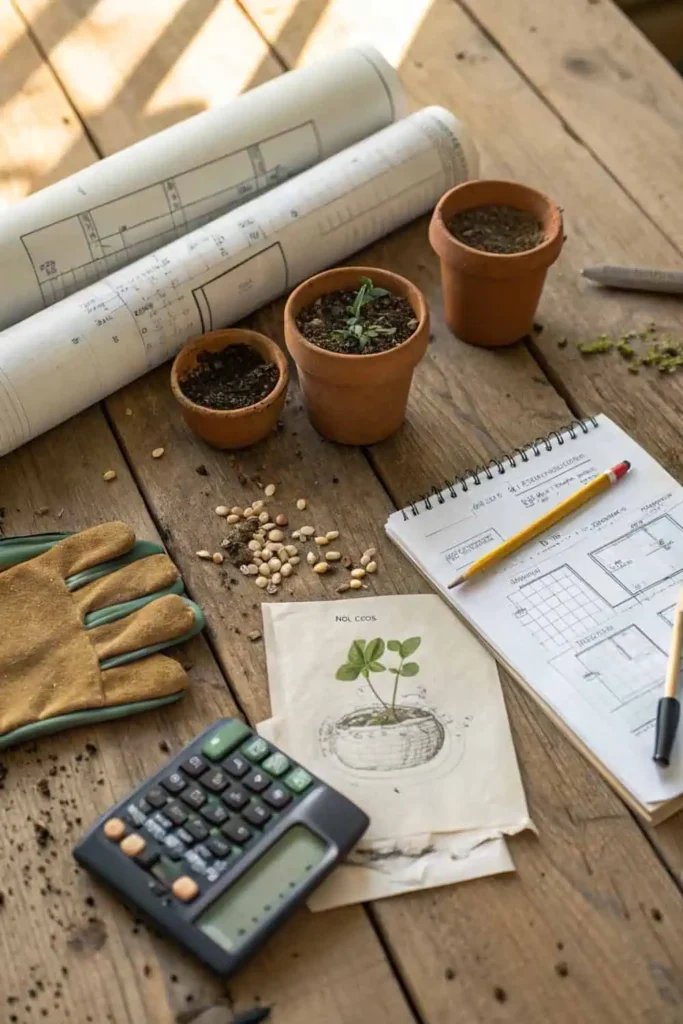
Save what you love, hover or tap the image and pin it now.
Pro tip: Always keep an eye out for seasonal sales and local plant swaps to enhance your garden without breaking the bank.
Frequently Asked Questions
How Do I Deal With Poor Soil Drainage in My Small Yard?
You’ll resolve drainage issues through raised garden beds, elevating planting zones above saturated ground. Implement strategic plant selection, choosing moisture-tolerant species like sedums or ornamental grasses. Install French drains or permeable hardscaping to redirect water flow efficiently.
What Permits Do I Need for Installing Garden Structures or Fencing?
You’ll need permits for structures exceeding height thresholds, typically 6-8 feet for fencing. Check local building code requirements and zoning regulations first. Contact your municipality’s planning department to determine specific permit requirements for your proposed garden installations.
How Can I Keep Pets From Damaging My Low-Maintenance Garden Design?
You’ll protect plantings by incorporating pet deterring plants like lavender and rosemary around perimeters. Design enclosed garden beds using raised borders or decorative fencing to create physical barriers while maintaining aesthetic cohesion in your garden design.
What’s the Best Time of Year to Start Implementing My Garden Plan?
Spring’s revolutionary for garden implementation! You’ll achieve ideal planting success by initiating hardscape installation in early spring, followed by soil preparation. Plant perennials mid-spring after frost danger passes, ensuring your design elements establish properly before summer stress.
How Do I Handle Neighbor Disputes About Property Line Plantings?
You’ll resolve property line disputes by surveying boundaries accurately, then communicating respectfully with neighbors about planting setbacks. Understand shared responsibilities for maintenance, drainage impacts, and sight lines. Establish written agreements documenting plant selections, mature sizes, and ongoing care protocols.
Conclusion
You’ll convert your compact space into a design powerhouse when you implement these strategic techniques. Research shows that well-designed small gardens can appear 40% larger through proper spatial manipulation and visual tricks. Your vertical elements, layered plantings, and hardscape selections will create structural depth while maintaining minimal upkeep requirements. You’re now equipped with professional-grade strategies to maximize every square foot, ensuring your small yard delivers substantial visual impact without demanding excessive maintenance commitments.

Save what you love, hover or tap the image and pin it now.