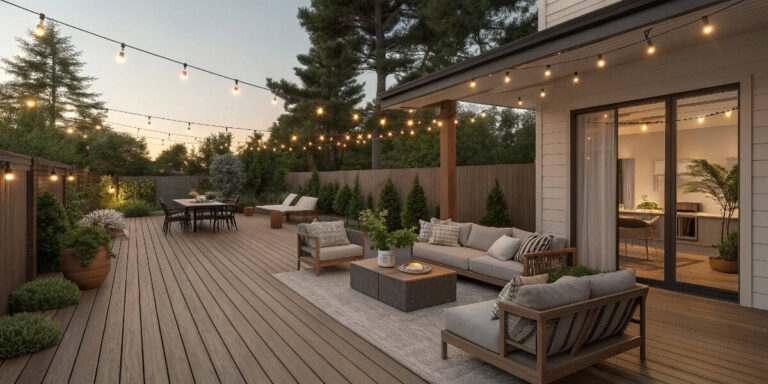
Cottagecore Garden Design: Rustic Romance & Magical Touches
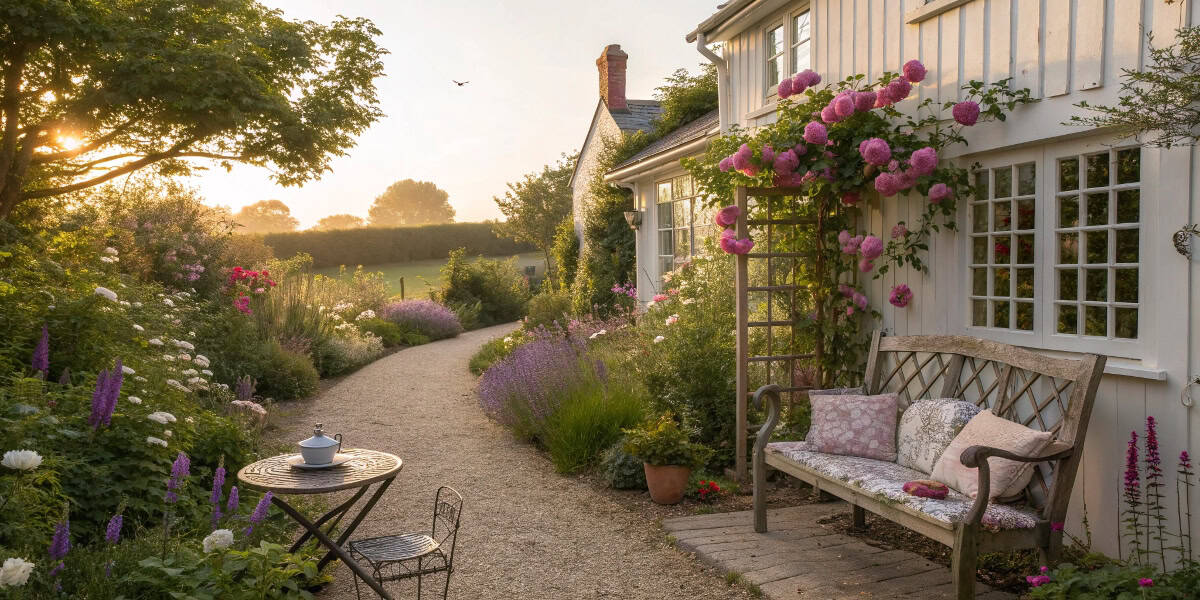
Imagine stepping into your backyard and discovering a whimsical retreat that feels like it’s straight out of a storybook, inviting you to leave the hustle and bustle of everyday life behind. A cottagecore garden and outdoor patio come together to celebrate the simple, cozy charm of rural life, blending the breathtaking beauty of nature with a touch of nostalgia that evokes fond memories of simpler times.
This enchanting trend has gained significant popularity in recent years as people increasingly look to create peaceful, natural spaces at home, where they can unwind, relax, and reconnect with the earth. The allure of such a green space lies not only in its aesthetic appeal but also in the sense of tranquility it brings to our busy lives, making it a perfect sanctuary for reflection and rejuvenation.

Save what you love, hover or tap the image and pin it now.
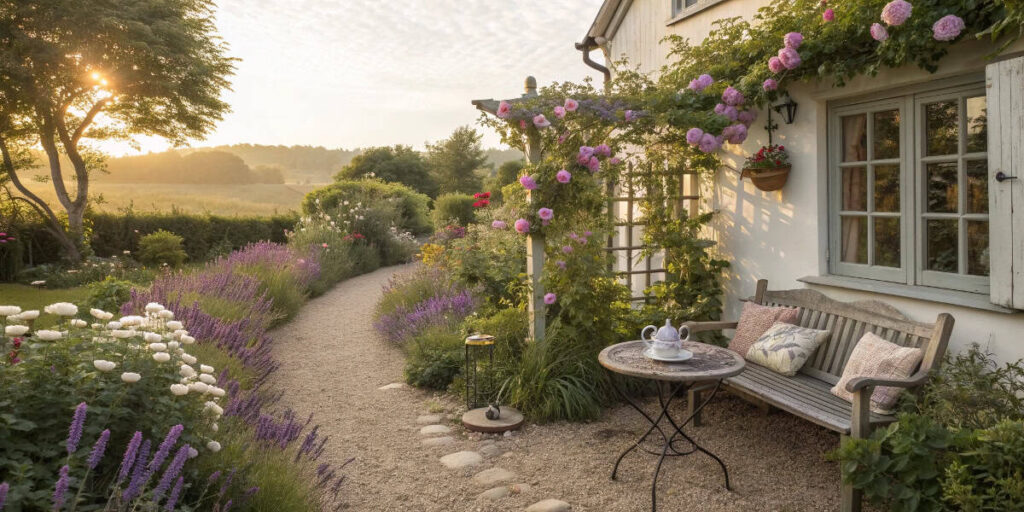
In a cottagecore garden, you might see climbing roses on a trellis, fragrant herbs brushing against your fingertips, and butterflies flitting between vibrant blooms 1. Your patio becomes a cozy extension of this dreamy landscape, perfect for relaxing or entertaining.
This style is more than just looks; it’s about connecting with nature and enjoying a slower pace of life. Whether you have a large yard or a small balcony, you can bring this aesthetic to life. Let’s explore how to create your own cottagecore garden and outdoor patio.
Designing Your Cottagecore Garden and Outdoor Patio
Save what you love, hover or tap the image and pin it now.
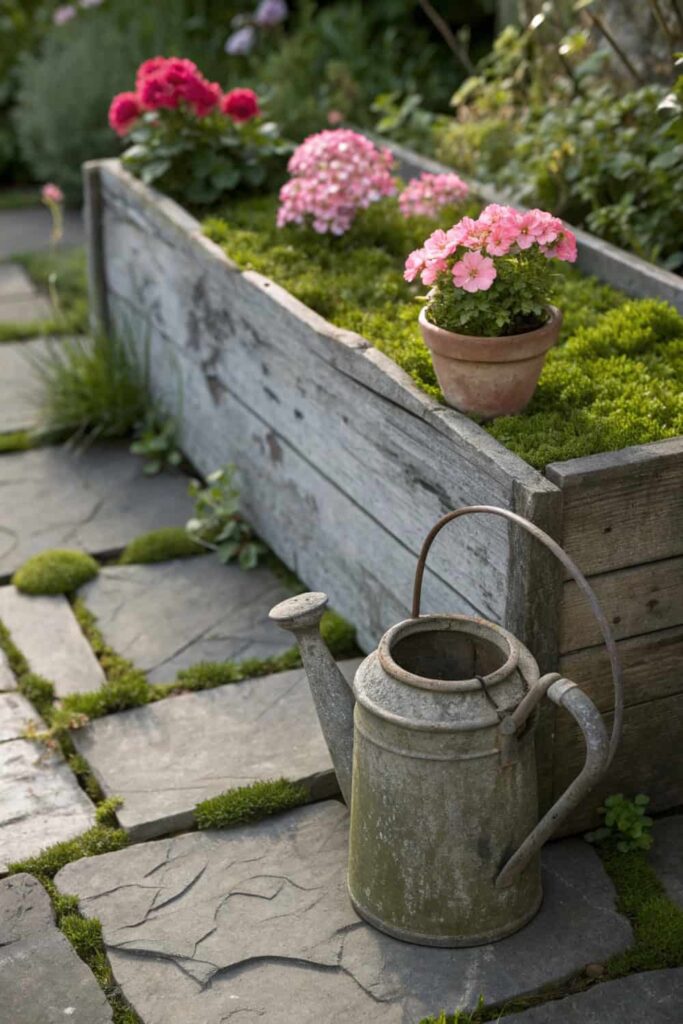
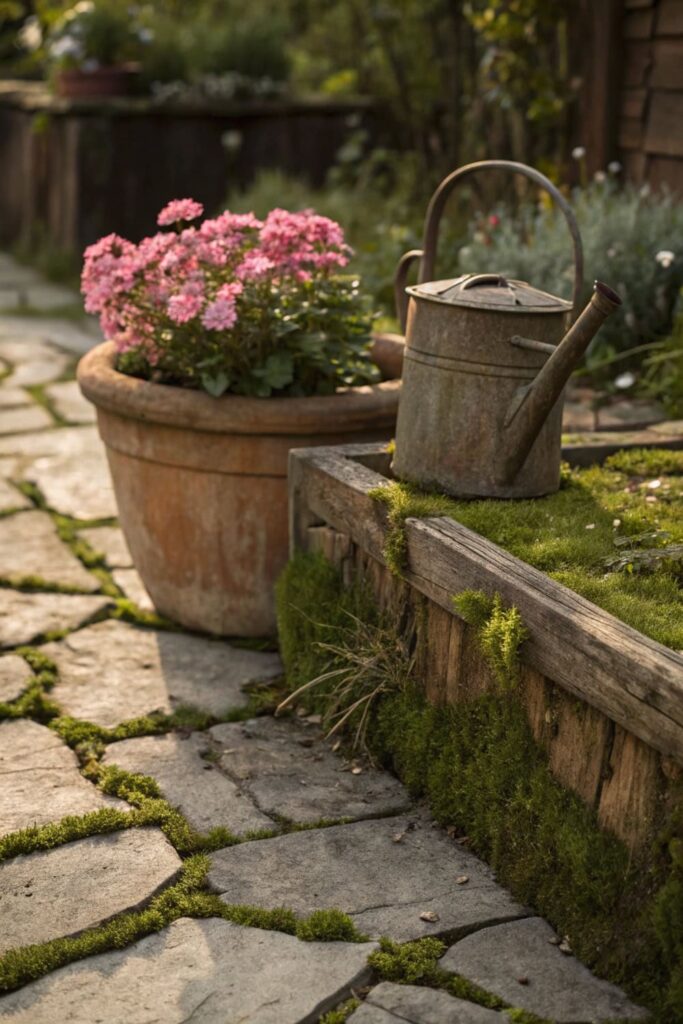
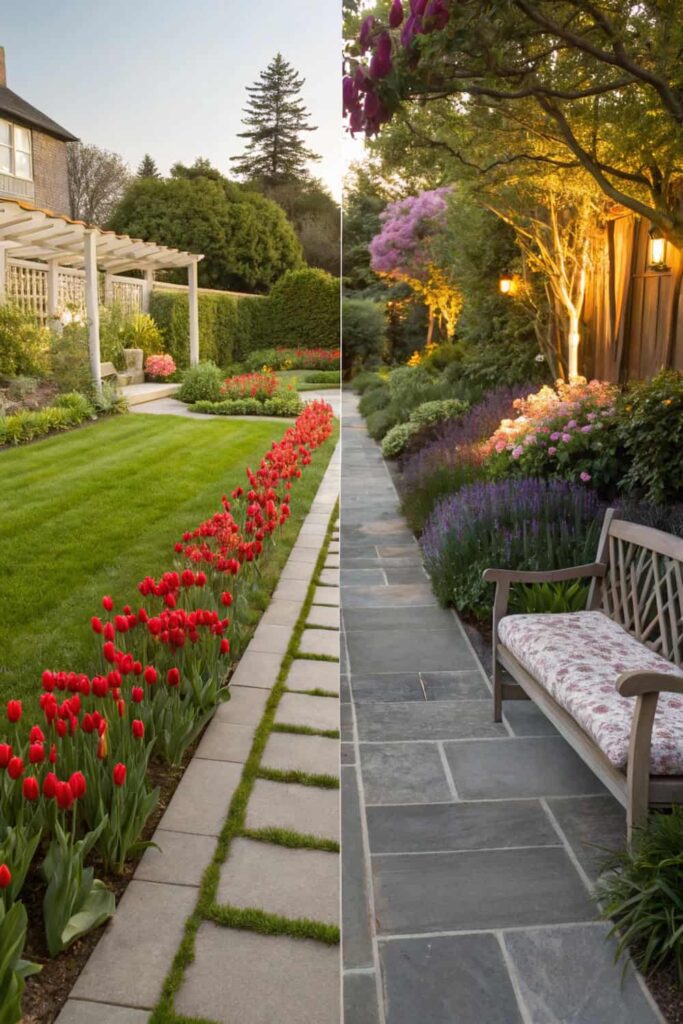
Creating a cottagecore garden and outdoor patio starts with embracing natural materials and a relaxed, overflowing plant style. Use weathered wood, stone, and clay to build pathways, fences, and furniture. These materials blend seamlessly with nature and develop a beautiful patina over time.
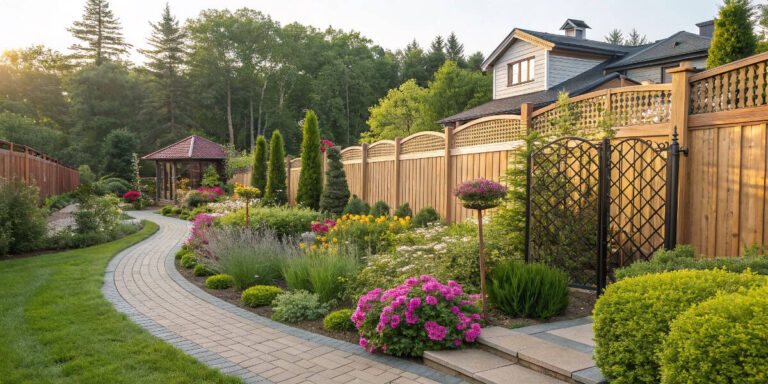
When planning your layout, think of curving paths that invite exploration and hidden nooks for seating. Avoid straight lines and perfect symmetry. Instead, let your yard feel wild and free, with plants growing close together for a lush, abundant look.
Save what you love, hover or tap the image and pin it now.
Pro Tip: Add a vintage touch by repurposing old items like watering cans or teapots as planters. This adds character and reduces waste, making your garden unique and eco-friendly.
Planting and Planning Your First Cottagecore Garden
Save what you love, hover or tap the image and pin it now.
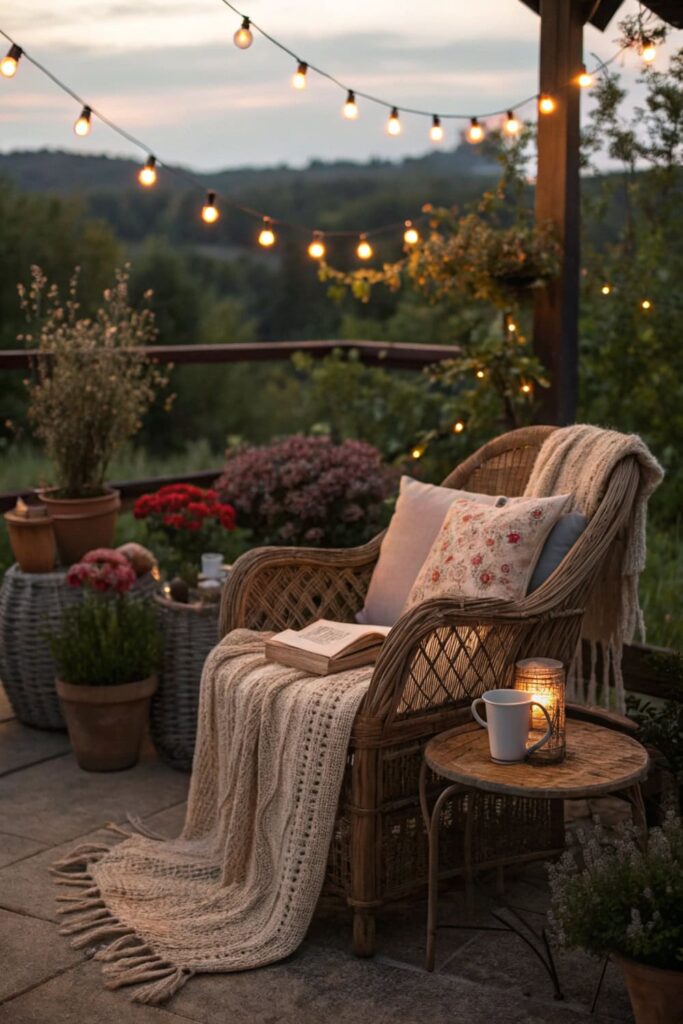
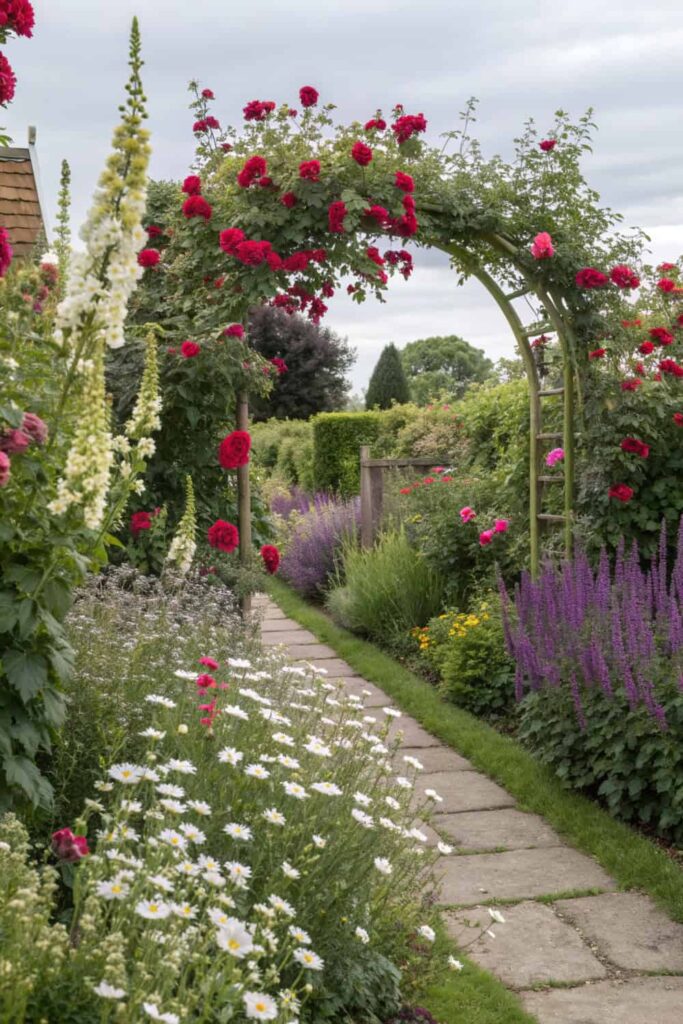
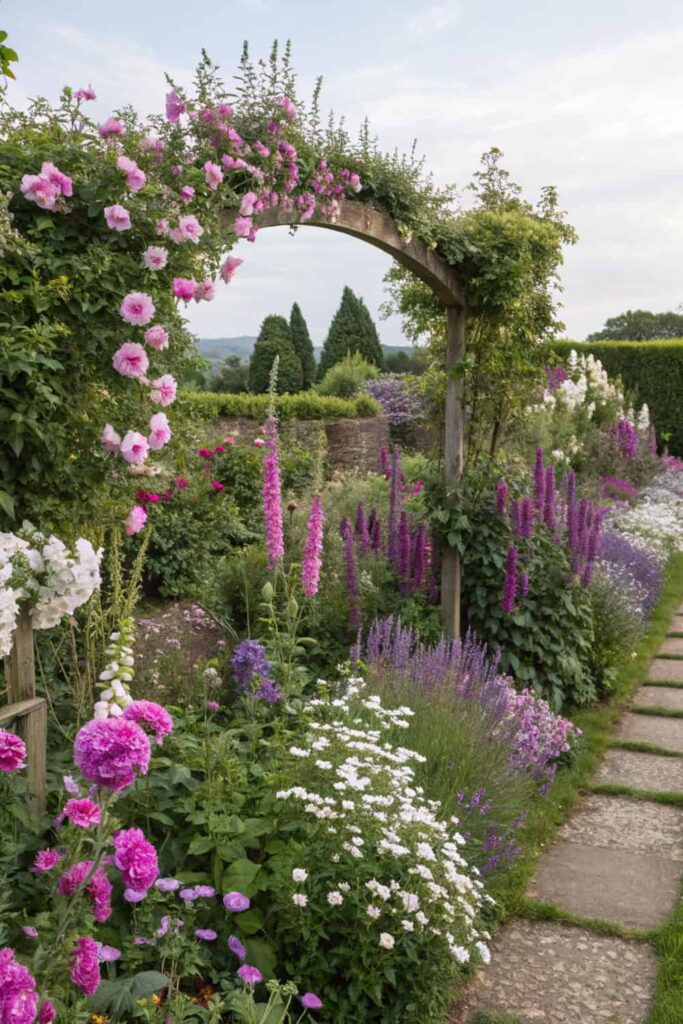
Choose plants that offer a mix of heights, colors, and textures. Tall flowers like hollyhocks and foxgloves can tower over lower-growing blooms like cosmos and lavender. Incorporate climbing vines such as clematis or morning glories to soften structures like trellises or fences. For your patio, create a cozy seating area with comfortable chairs and a small table.
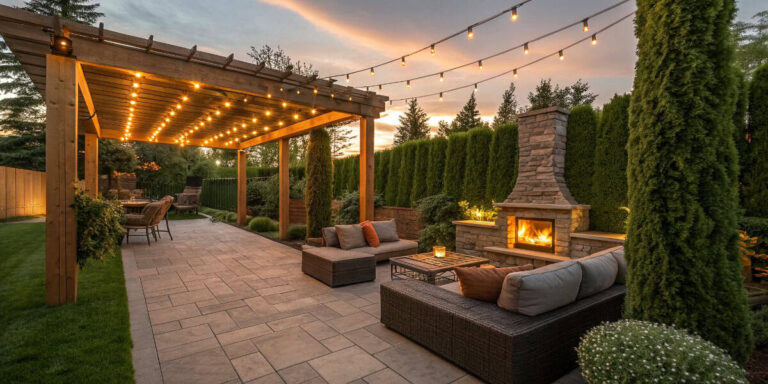
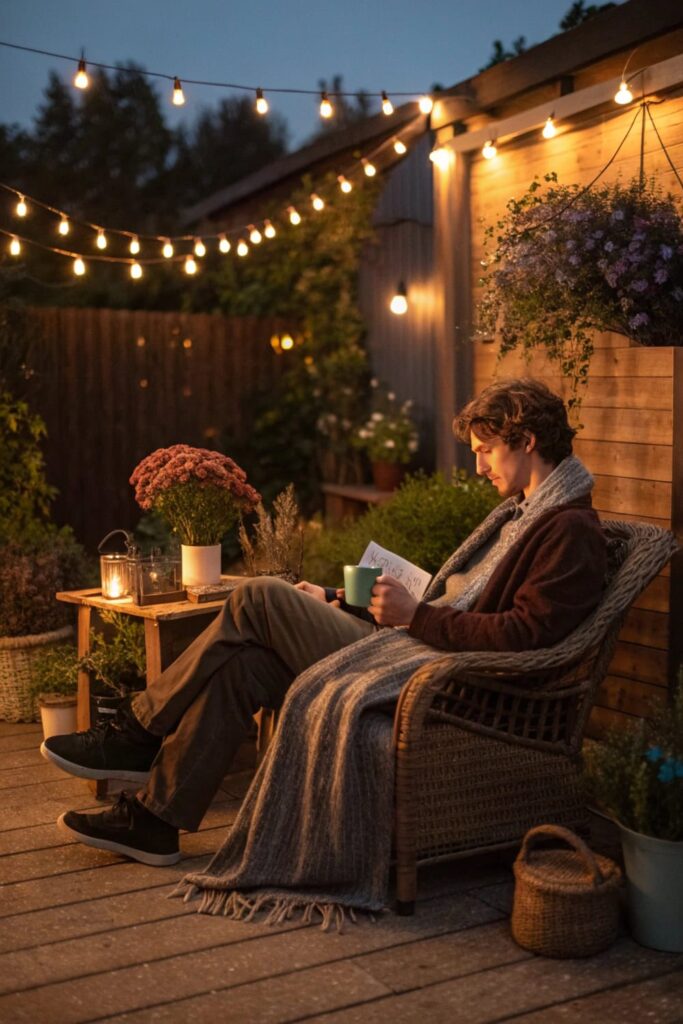
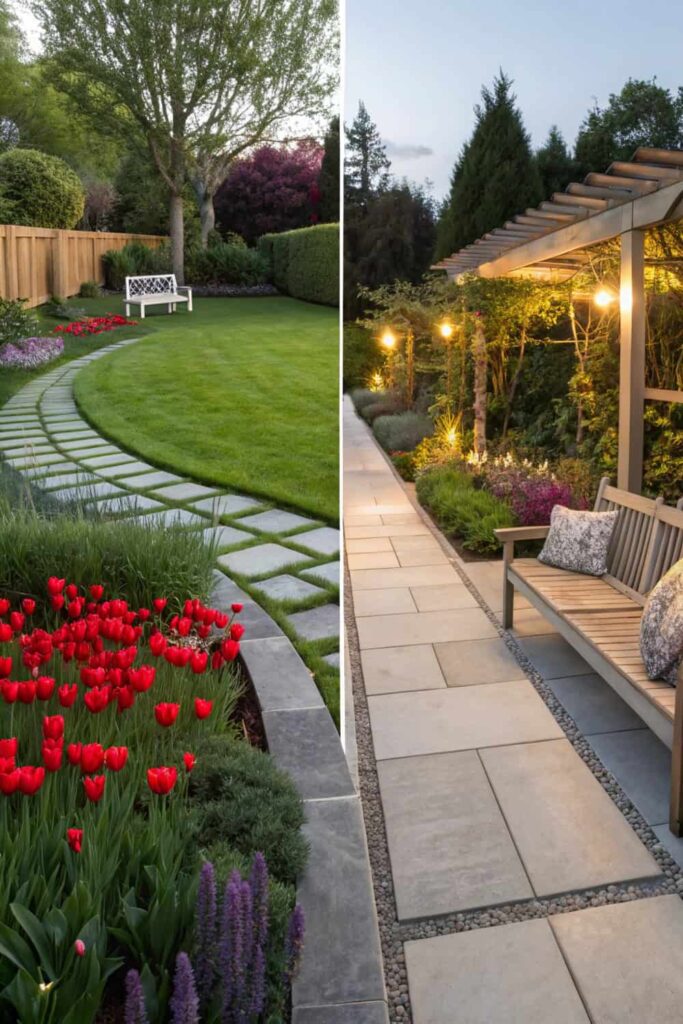
Add soft cushions and throw blankets to make it inviting. Consider including a fire pit for cool evenings, enhancing the cozy atmosphere. Lighting is key to ambiance. String lights, lanterns, or solar-powered lamps can make your patio magical after dark. Finally, blend edible plants with ornamental ones. Herbs, strawberries, and tomatoes can be mixed into flower beds, providing both beauty and fresh food.
Save what you love, hover or tap the image and pin it now.
Recommended Plants for Your Cottagecore Garden and Outdoor Patio
Save what you love, hover or tap the image and pin it now.
Selecting the right plants is crucial for achieving the cottagecore look. Choose a variety of flowers, herbs, and even vegetables that create a lush, romantic feel. Here are some excellent choices for your cottagecore garden:
- Roses: Climbing or rambling roses are perfect for trellises and arches, adding romance and fragrance
- Lavender: This fragrant herb attracts pollinators and adds a touch of purple to your garden
- Foxgloves: These tall, bell-shaped flowers add whimsy and drama to flower beds
- Hollyhocks: With their tall spikes of ruffled flowers, they are a classic cottagecore choice.
- Native Wildflowers: Plants like coneflowers and black-eyed Susans create a meadow-like feel and support local wildlife.
Save what you love, hover or tap the image and pin it now.
For a visually striking garden, plant flowers close together to create a dense display that suppresses weeds. Incorporate a mix of perennials and annuals to ensure continuous color and year-round interest. Amend the soil with compost and mulch to enrich it and maintain moisture.
Deadhead spent blooms regularly to encourage further flowering. Consider the mature size of each plant to prevent overcrowding, but don’t be afraid to experiment with unexpected combinations. The goal is a riot of color and texture that delights the senses and supports local pollinators.
Don’t forget about foliage plants like ferns or herbs such as rosemary and thyme, which add texture and practicality. For your patio, use containers to grow herbs like mint or basil, which are handy for cooking, and add greenery to your seating area.
Pro Tip: Include fragrant plants like jasmine or roses near seating areas. Their lovely scents will enhance the relaxing atmosphere of your patio.
Cottagecore Garden vs. Outdoor Patio Features
Save what you love, hover or tap the image and pin it now.
| Feature | Traditional Garden | Cottagecore Garden and Outdoor Patio |
| Design Style | Structured, manicured | Wild, relaxed, and whimsical |
| Materials | Often new, uniform materials | Weathered wood, stone, clay; repurposed items 5 |
| Planting Style | Neat rows, spaced plants | Dense, layered, and mixed plantings 1 |
| Seating Areas | Defined, formal seating | Cozy nooks with soft cushions and blankets 5 |
| Wildlife Focus | Minimal, often controlled | Encourages pollinators and birds 18 |
| Edible Plants | Often in separate vegetable gardens | Mixed in with flowers and herbs 1 |
| Lighting | Functional, bright | Soft, ambient lighting like string lights 5 |
| Maintenance | High, requires regular upkeep | Lower, embraces self-seeding and natural growth 6 |
Save what you love, hover or tap the image and pin it now.
Creating a Wildlife-Friendly Cottagecore Garden and Outdoor Patio
Save what you love, hover or tap the image and pin it now.
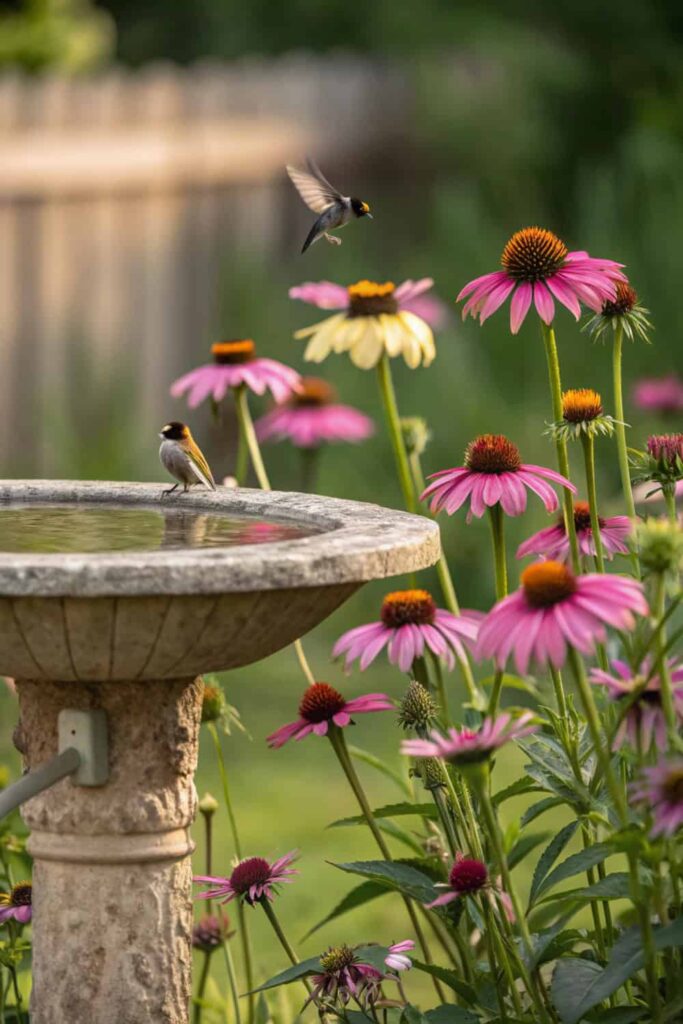
A key part of the cottagecore philosophy is living in harmony with nature. Your cottagecore garden and patio can become a haven for birds, bees, butterflies, and other beneficial creatures. To attract pollinators, plant flowers rich in pollen and nectar.
Lavender, borage, and sunflowers are great options for attracting bees and butterflies to your pollinator paradise. You can also add plants like butterfly milkweed, which is particularly appealing to monarch butterflies.
Save what you love, hover or tap the image and pin it now.
Pro Tip: Leave a small area of your garden wild, with a pile of logs or leaves. This provides essential shelter for insects and small animals, boosting local biodiversity.
How to Attract Beneficial Wildlife to Your Cottagecore Garden
Save what you love, hover or tap the image and pin it now.
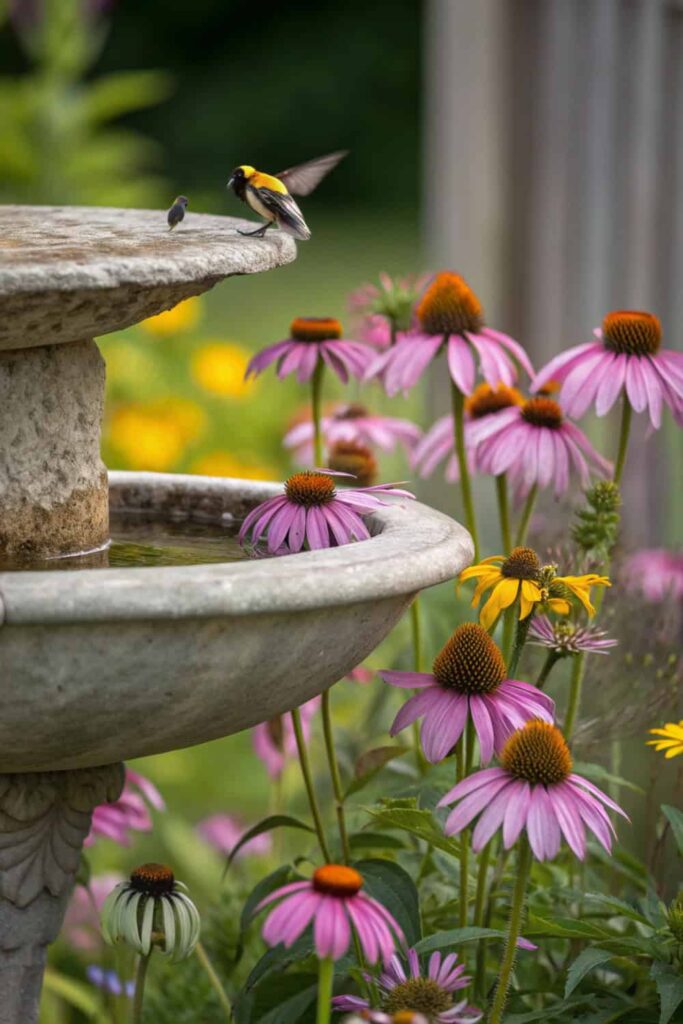
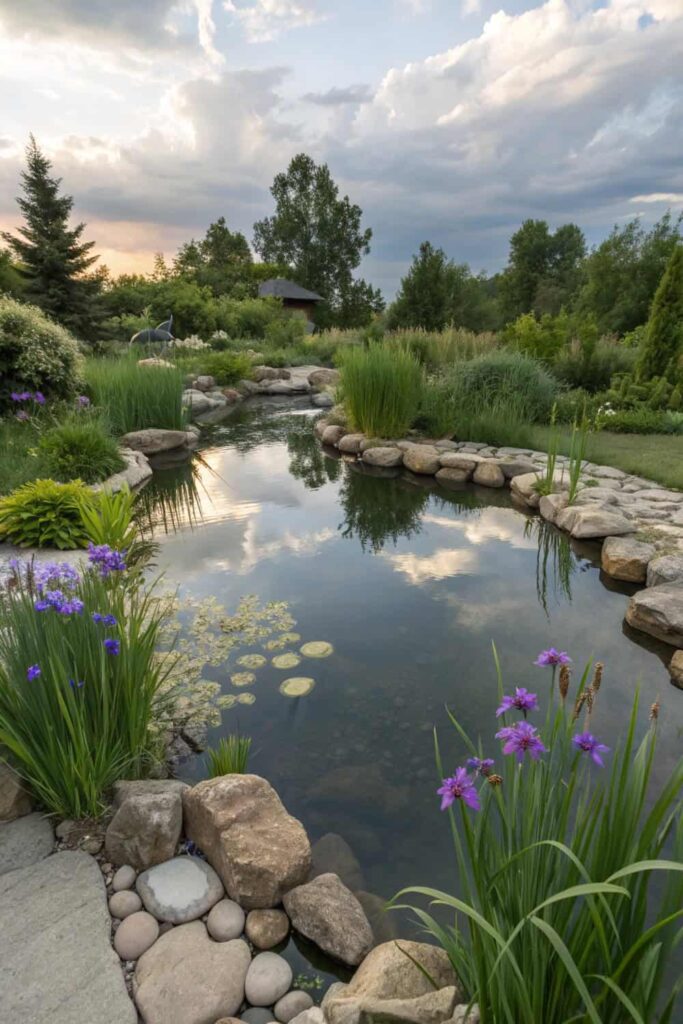
Adding a water feature, such as a small birdbath or a shallow dish of water, is a cornerstone of a Backyard Biodiversity Haven. It can attract a variety of birds and provide them with a much-needed place to drink and bathe. Birds are naturally drawn to water sources, and having a dedicated area for them can enhance your garden’s appeal while also supporting local wildlife
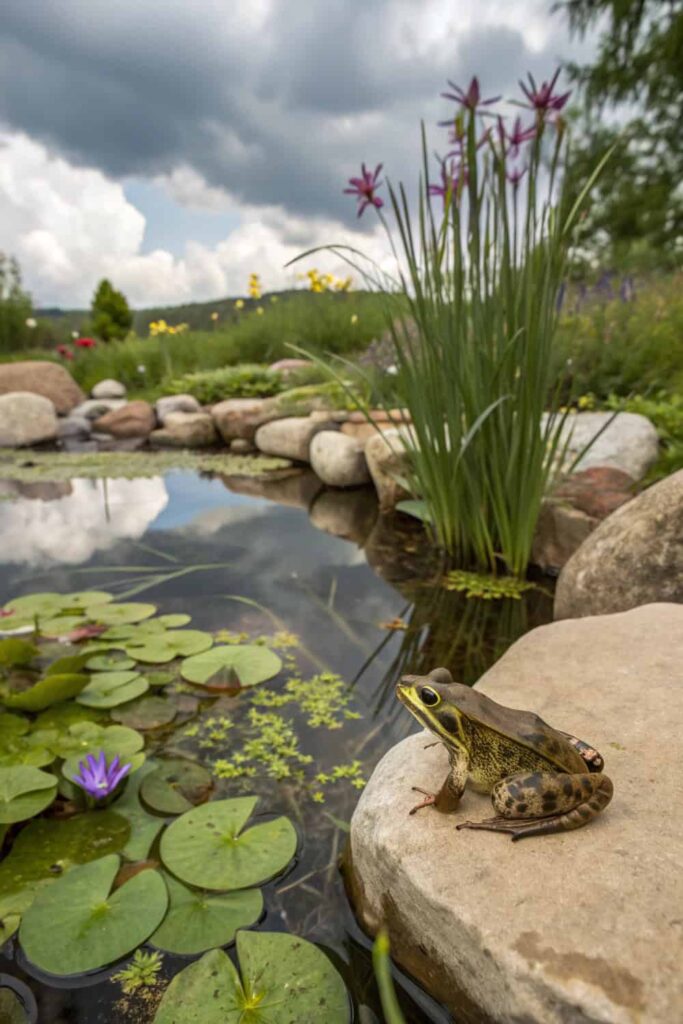
If you have the space available in your cottagecore garden, consider adding a small pond, which can serve as a more substantial water source and create a beautiful focal point in your outdoor space. This pond can also support other forms of wildlife and plant life, enriching the ecosystem in your backyard.
Protect wildlife and boost your grassland by avoiding pesticides. Use native plants to draw beneficial insects and pollinators for natural pest control. Attract birds and wildlife for pest removal with food, water, and shelter. Pair pest-repelling plants and check regularly for issues, treating them organically. Healthy soil from compost makes plants pest-resistant. Enjoy a beautiful, safe garden!
Instead, embrace natural pest control methods to maintain your garden’s healthy balance. You can also install bird feeders or nesting boxes to encourage feathered friends to visit regularly. By making your garden a haven for wildlife, you contribute to the local ecosystem and get to enjoy the lively activity of nature right outside your door
Save what you love, hover or tap the image and pin it now.
Frequently Asked Questions
What is the cottagecore aesthetic in gardening?
The cottagecore aesthetic romanticizes rural life and natural simplicity. In a garden, it means creating a whimsical, slightly wild space filled with an abundance of mixed plants, natural materials, and a sense of cozy charm 18.
Can I create a cottagecore garden in a small space?
Absolutely. Even a small balcony or patio can be transformed. Use vertical space with trellises and hanging baskets, and plant containers overflowing with flowers and herbs to create a sense of abundant nature 15.
What are the best low-maintenance plants for a cottagecore garden?
Choose resilient perennials like coneflowers, lavender, and rosemary. These plants often require less water and care once established, and they still provide that lush, romantic look 89.
How can I make my patio fit the cottagecore style?
Use furniture made from natural materials like wood or wicker. Add soft textiles like cushions and blankets. Incorporate lighting like lanterns or string lights, and surround the area with potted plants and herbs 5.
Is cottagecore gardening good for the environment?
Yes. By avoiding pesticides, planting pollinator-friendly flowers, using recycled materials, and encouraging biodiversity, cottagecore gardening is a very eco-friendly approach 16.
Conclusion: Embrace the Cottagecore Lifestyle
Creating a cottagecore garden and patio goes beyond a mere trend; it’s a conscious choice to embrace a slower, more connected way of life. This approach invites you to find deep satisfaction in the natural rhythms of the outdoors, from the joy of watching pollinators visit your flowers to the simple pleasure of harvesting your own herbs.
By valuing charm over perfection and repurposing materials with a story, you cultivate a space that feels both deeply personal and authentically magical. Ultimately, it’s about crafting your own peaceful sanctuary—a gentle retreat where you can truly unwind and breathe.

Save what you love, hover or tap the image and pin it now.