Fall Garden Bliss: Best Crops, Care, & Design With Secret Tips
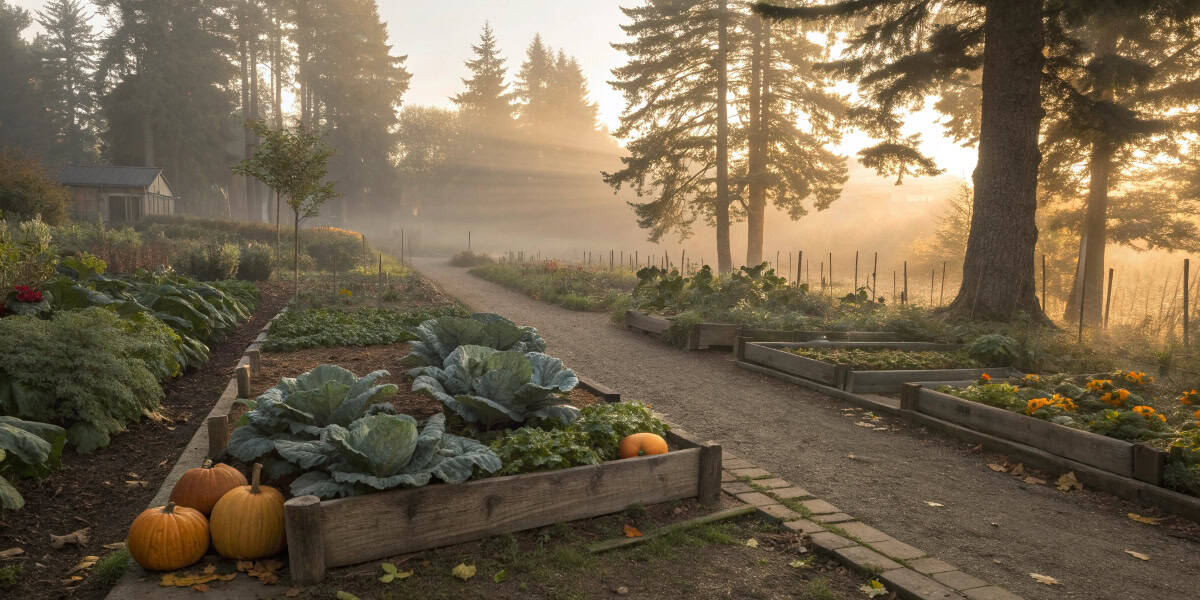
A fall garden offers more than just a beautiful burst of color before winter arrives; it represents a strategic opportunity for renewal and preparation. For seasoned gardeners, autumn is not an end but a continuation, a chance to extend the growing season beyond the traditional summer months. This extension is often achieved by focusing on cool-season crops, plants that thrive in the cooler temperatures and shorter days of fall.
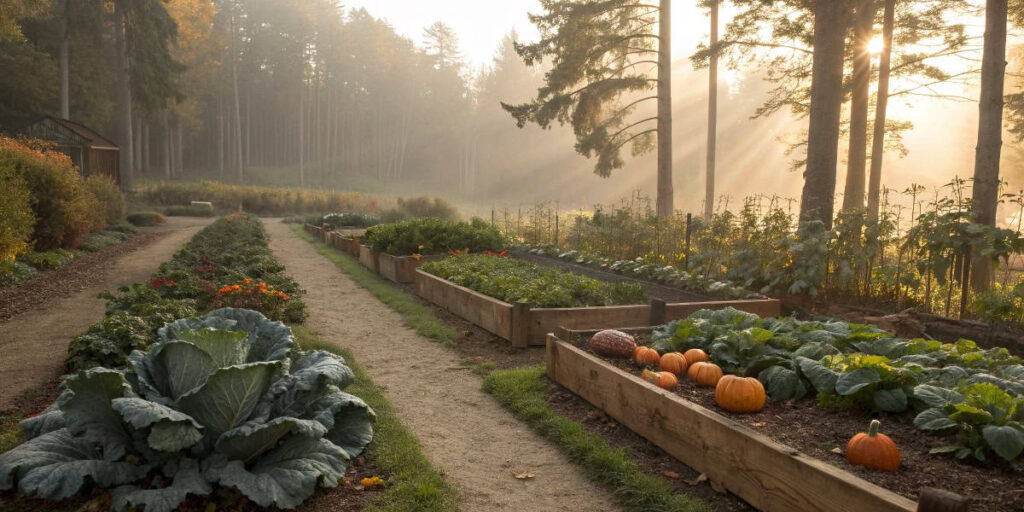
Vegetables like kale and spinach are excellent choices, providing fresh greens well into the autumn months and sometimes even into early winter with proper protection. Beyond vegetables, fall is also the perfect time to plant hardy perennials. These plants, which return year after year, add vibrant color and texture to the landscape. Asters and mums are popular choices, offering a dazzling display of blooms in shades of purple, pink, yellow, and white.
Their late-season flowering provides essential nectar for pollinators preparing for winter. Another crucial aspect of fall gardening is improving soil health. Applying compost to garden beds adds valuable nutrients and organic matter to the soil. This not only benefits the plants currently growing but also enriches the soil for future plantings. Compost improves soil structure, drainage, and water retention, creating a healthier environment for roots to grow. Finally, fall is an ideal time to plant garlic and shallots.
These flavorful alliums require a period of cold dormancy to develop properly. Planting them in the fall allows them to establish roots before winter sets in, resulting in an early and abundant harvest in the spring. By taking advantage of the fall season, gardeners can enjoy fresh produce, prolong the harvest, and establish a strong foundation for a thriving and productive garden throughout the entire year.

Save what you love, hover or tap the image and pin it now.
How to Keep Your Yard Alive Longer
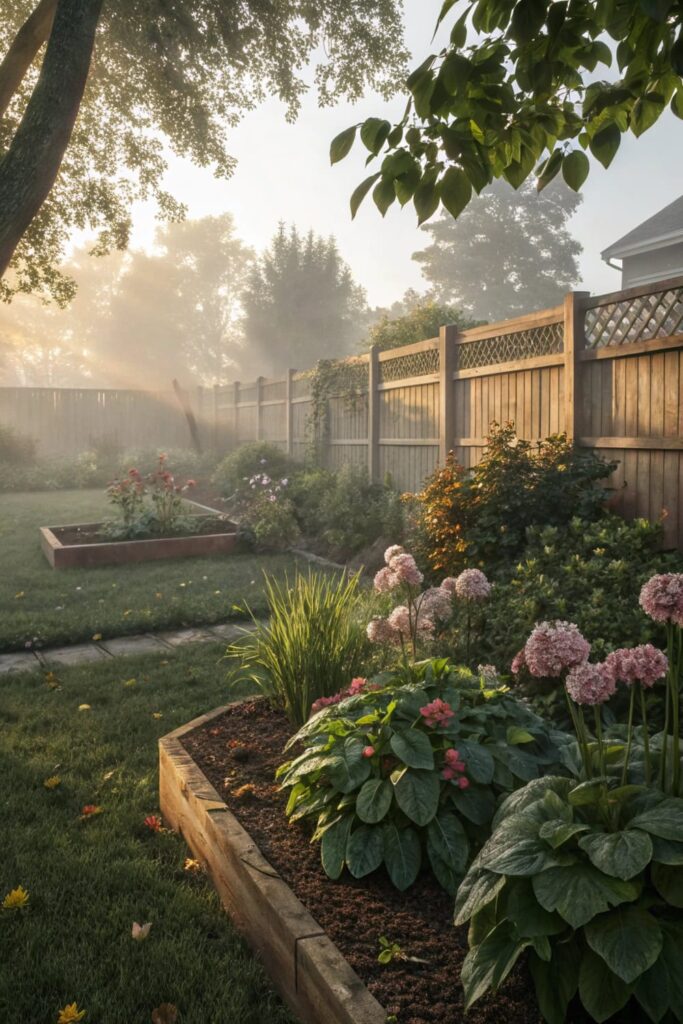
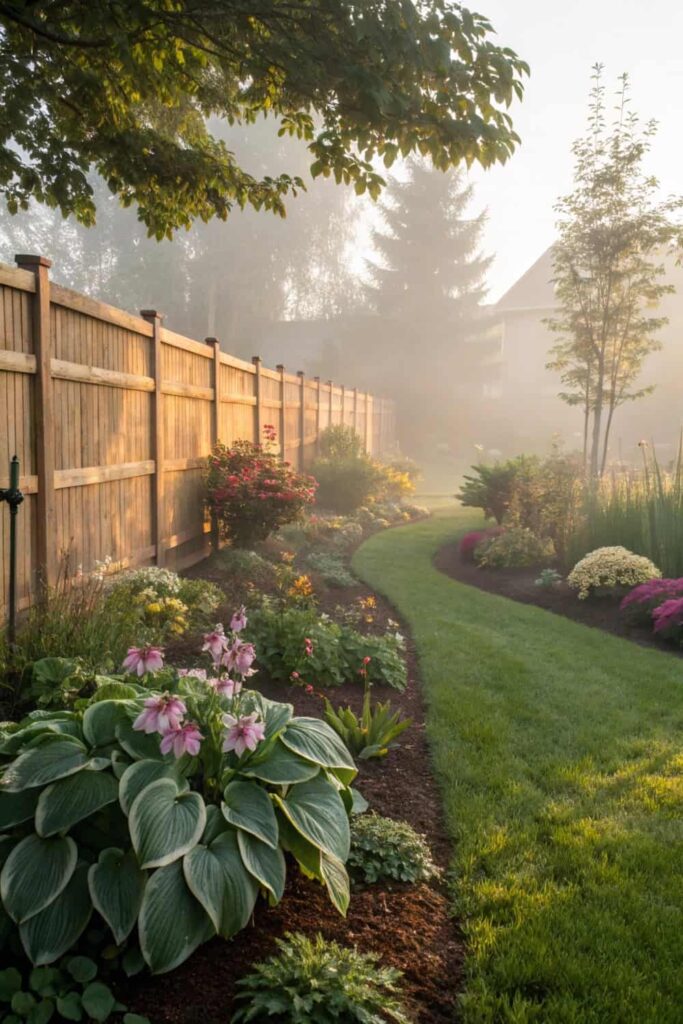
Extend your yard’s vibrancy with a well-planned fall garden. Replace summer flowers with cool-season favorites like ornamental kale, pansies, and hardy mums. Fortify your lawn with winterizing fertilizer and overseeding to fill in bare spots. Leave perennials and grasses for winter interest and to provide a habitat for wildlife. These fall tasks ensure lasting color and texture in your landscape.”Amend garden beds with compost to enrich the soil for next spring’s plantings.
Plant spring-blooming bulbs like tulips, daffodils, and hyacinths for a burst of color after winter’s thaw. Clean up fallen leaves to prevent fungal diseases, but leave some as mulch for insulation and beneficial insects. Protect sensitive shrubs with burlap wraps against harsh winds and snow. With these preparations, your autumn garden sets the stage for a thriving landscape in the seasons to come.”
Save what you love, hover or tap the image and pin it now.
Save what you love, hover or tap the image and pin it now.
Why You Should Plant a Fall Garden and Its Benefits
The misconception that gardening ends in August overlooks months of potential for cool-season crops and a smooth transition to winter.
Key Features of a Fall Garden
An autumn garden offers benefits beyond just vegetables harvested late in the season. It improves the health of your soil, attracts pollinators, and gets your garden ready for winter and the following spring. Think of the cooler months as an opportunity to build a strong base for your garden, rather than just a time for it to rest. Here’s a closer look at why autumn yard is worth your time.
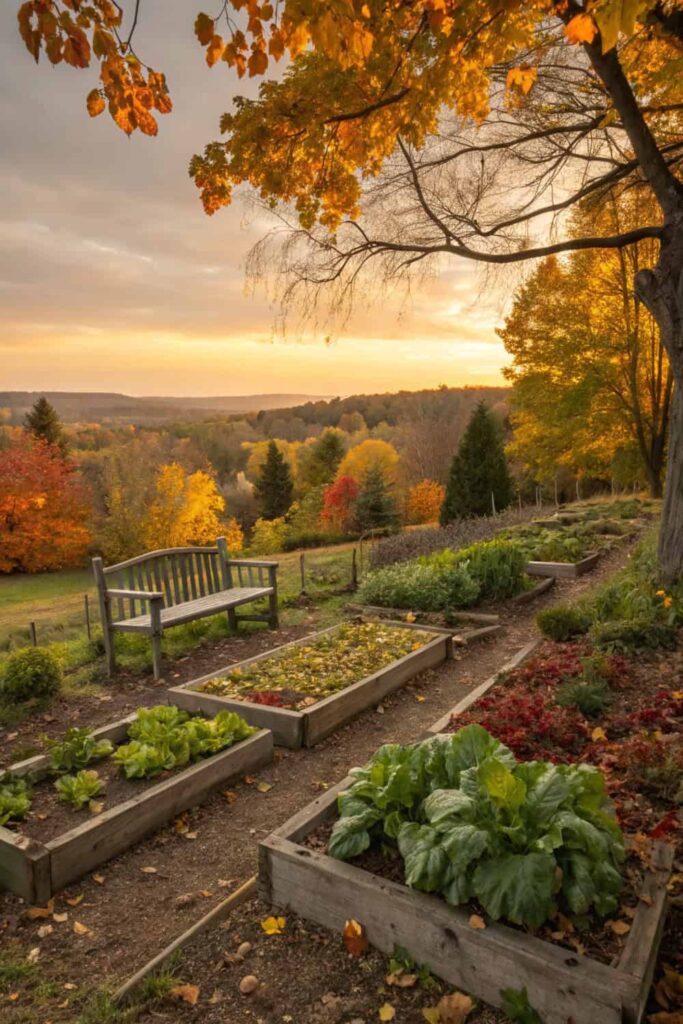
Save what you love, hover or tap the image and pin it now.
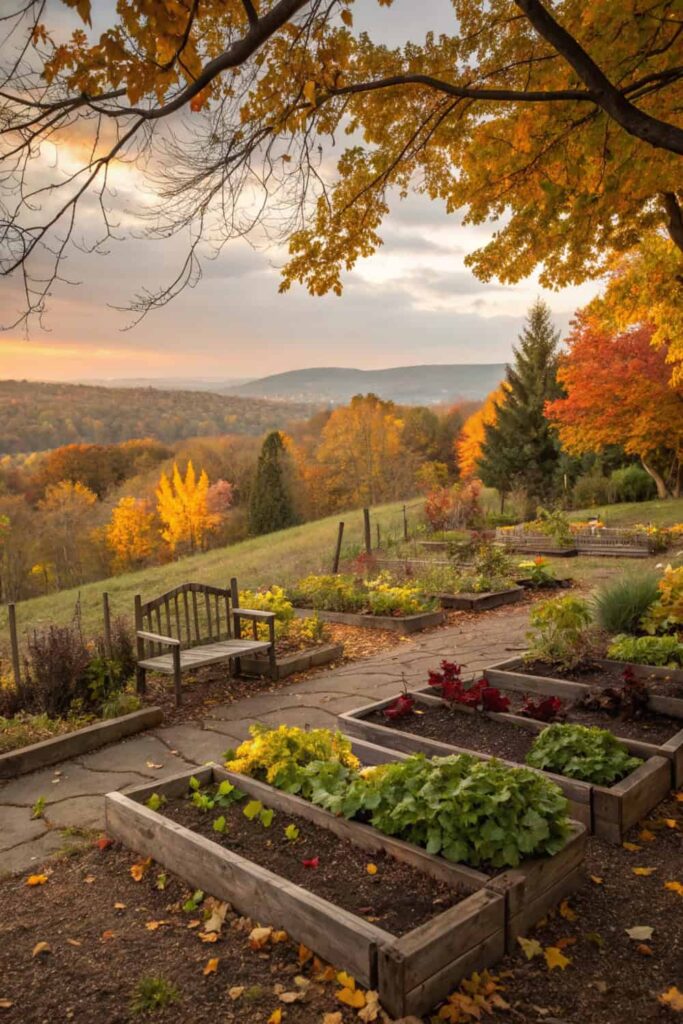
Save what you love, hover or tap the image and pin it now.
Advance tips and tricks of a Strong Fall Garden
A productive fall planting area depends on balance. You need hardy plants, healthy soil, and good protection from cold. Below are the main features that make your garden successful.
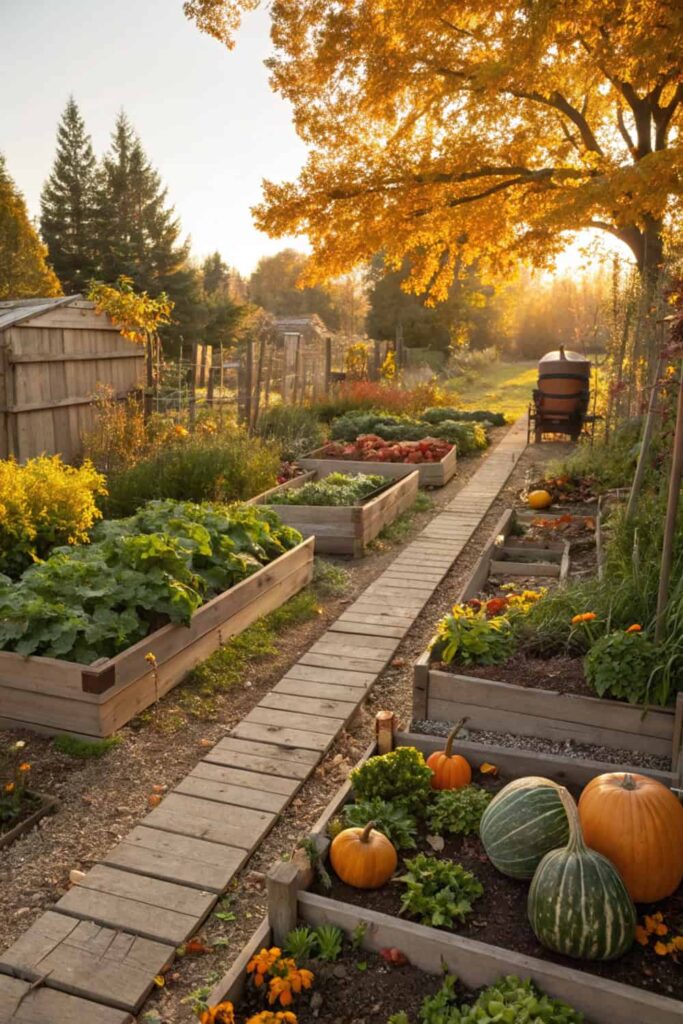
Save what you love, hover or tap the image and pin it now.
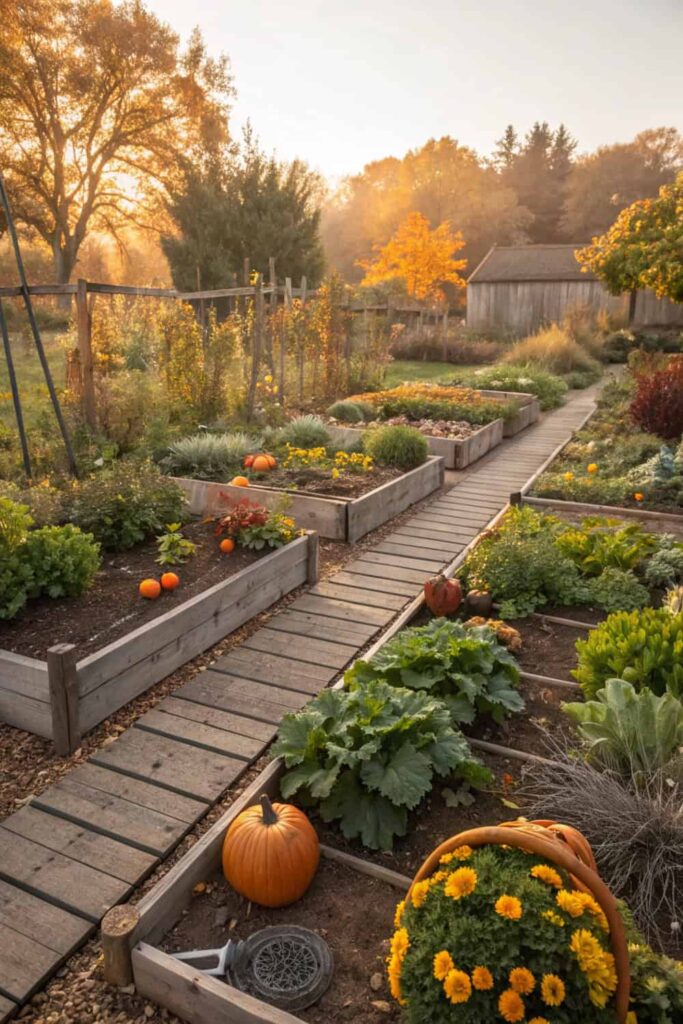
Save what you love, hover or tap the image and pin it now.
A strong fall garden is not about perfection. It’s about resilience, balance, and smart preparation. By combining the right crops, soil care, and seasonal protection, your planting area stays productive and sets the stage for next year’s success.
Planning Your Fall Garden
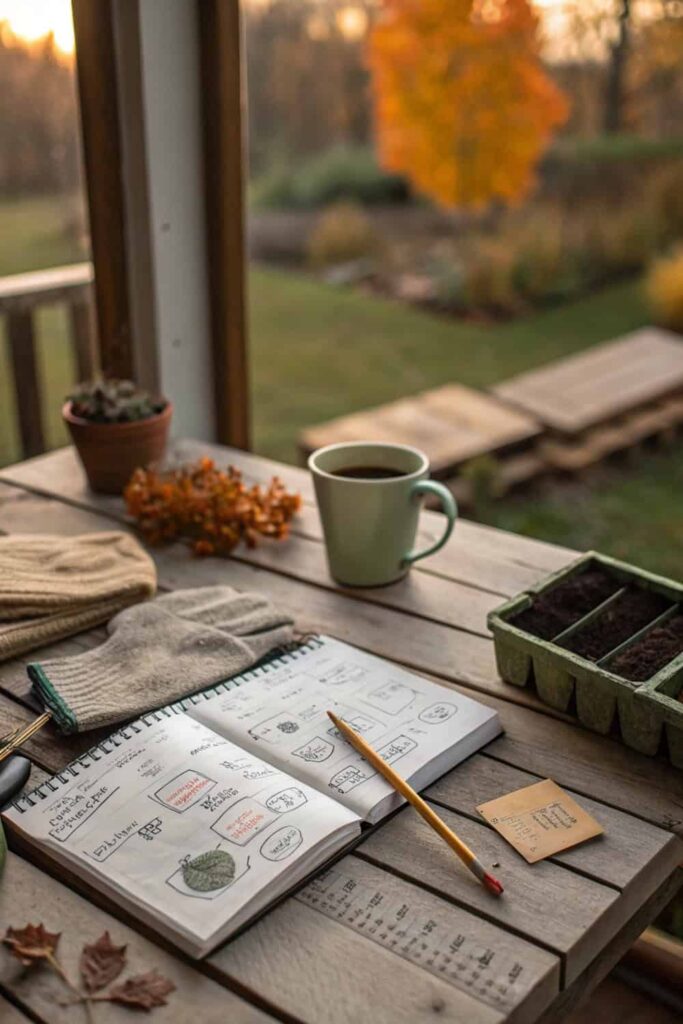
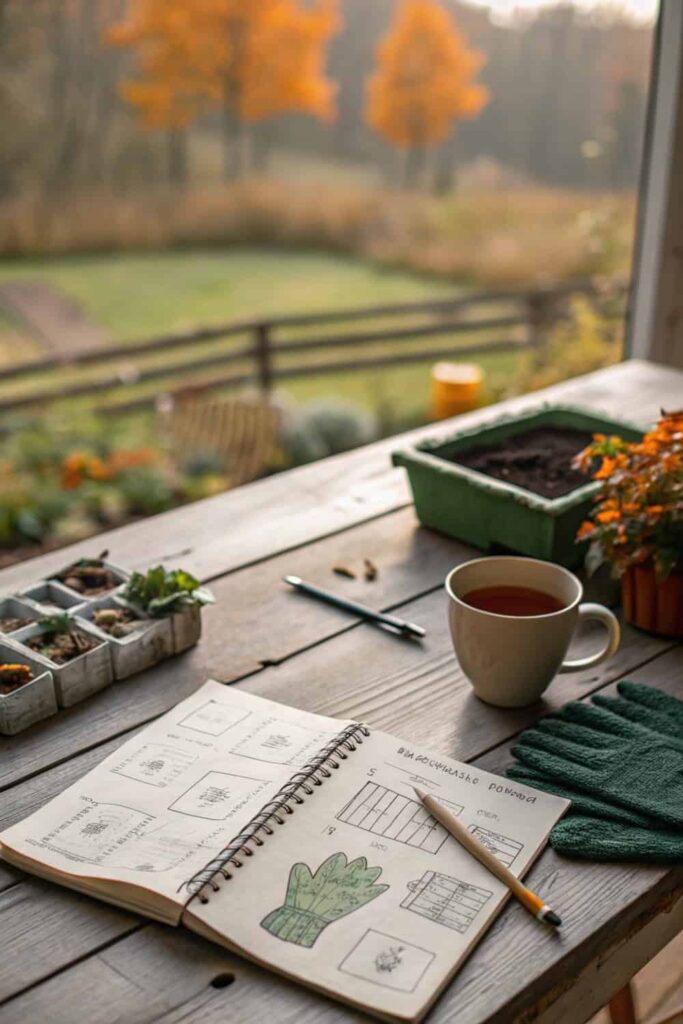
Before planting, assess your current garden condition. Consider soil health, light exposure, and frost dates. Knowing your local climate is key.
Steps to plan your fall outdoor planting zone:
- Know your first frost date. Most cool-season vegetables need to mature before a heavy frost.
- Count backward from the frost date. Check seed packets for days to maturity.
- Select crops that fit your window. Root crops and leafy greens work best.
- Refresh the soil. Remove weeds and debris, then enrich the soil with compost.
- Water smartly. Fall rains can help, but you still need consistent moisture until frost arrives.
Save what you love, hover or tap the image and pin it now.
Save what you love, hover or tap the image and pin it now.
ProTip: Start seedlings indoors in late summer to transplant once outdoor temperatures drop below 80°F. This gives plants a strong head start.
What to Plant in Your Fall Garden
Vegetables
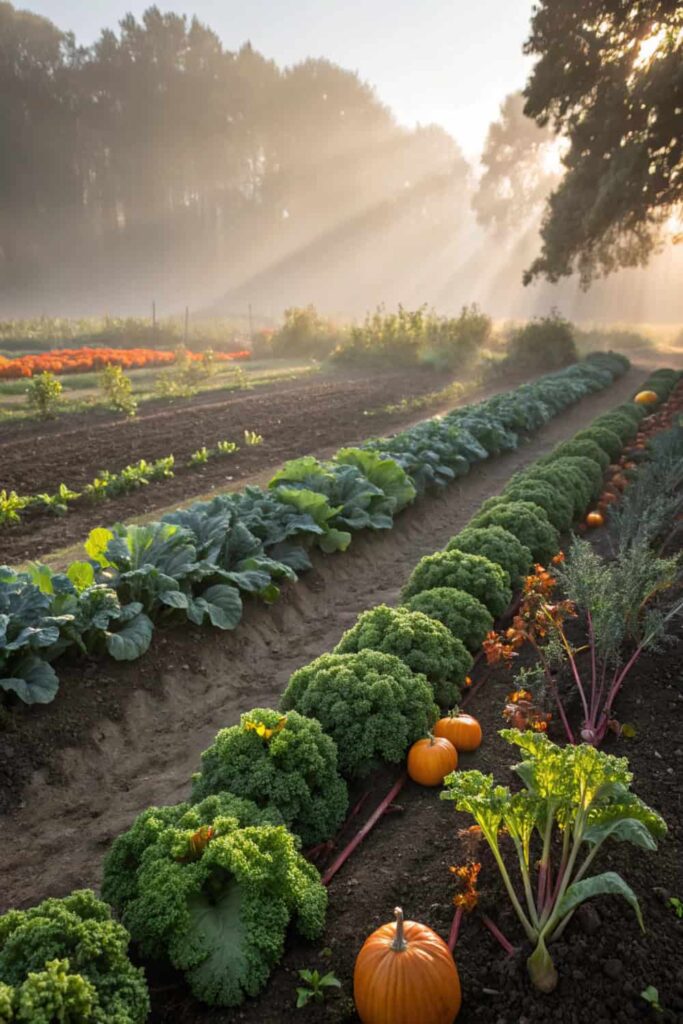
Fall offers the perfect climate for vegetables that struggle in the summer heat. These vegetables grow well in temperatures between 45°F and 75°F. They tolerate light frost, which often enhances flavor, especially in greens and carrots.
Save what you love, hover or tap the image and pin it now.
Top vegetables for fall gardens:
Herbs
Some herbs handle the cool season very well.
Flowers
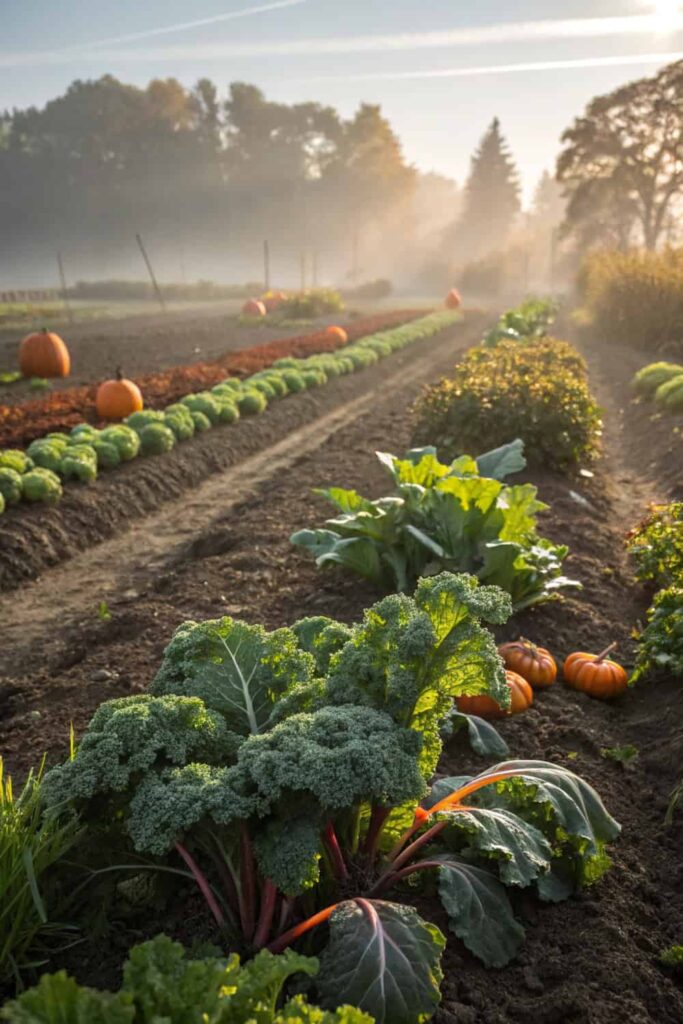
Flowers enhance cool-season gardens with color and attract pollinators; integrating them with vegetables improves aesthetics and ecological harmony.
Save what you love, hover or tap the image and pin it now.
Soil Preparation and Maintenance
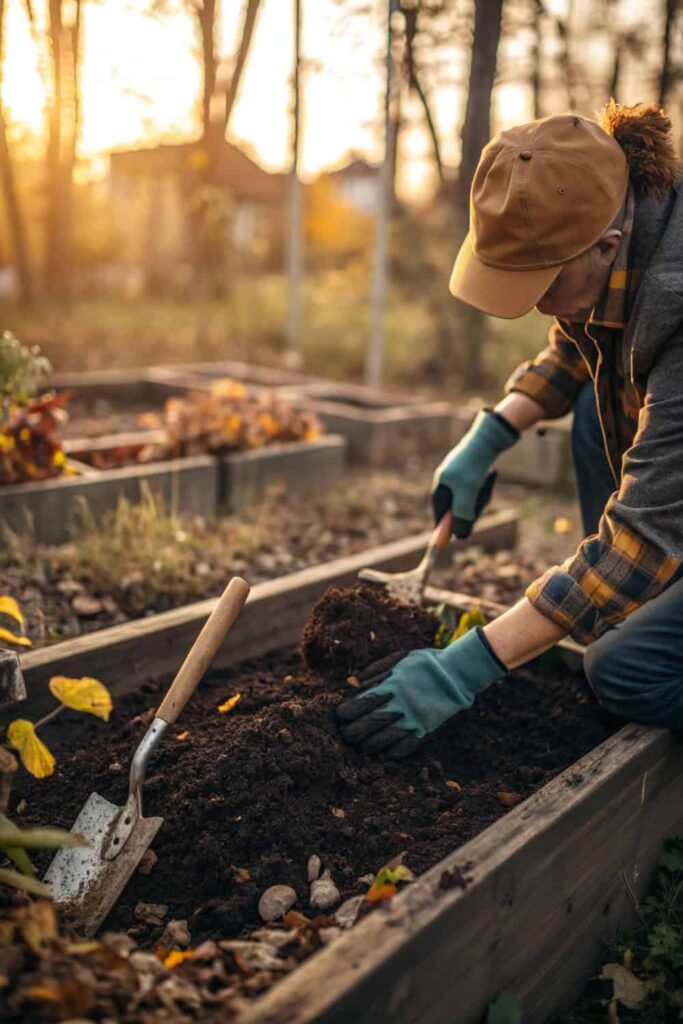
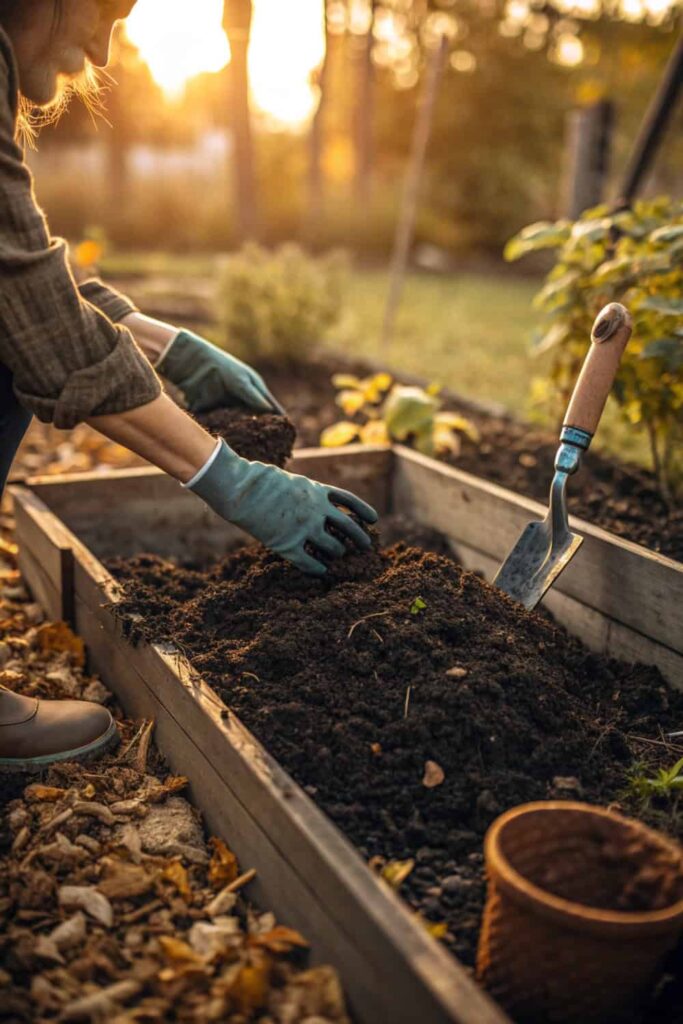
Soil health determines garden success. Summer crops often deplete nutrients, so fall is the right time to rebuild. Healthy soil in the fall means stronger plants in spring.
Save what you love, hover or tap the image and pin it now.
Steps for healthy soil:
Mulching Tips:
Watering and Fertilizing
Cooler air slows evaporation, but consistent watering remains critical. New plants need moisture to develop strong roots. Avoid nitrogen-heavy fertilizers late in the season, as they encourage leafy growth over root strength.
Watering tips:
Fertilizer guidelines:
Save what you love, hover or tap the image and pin it now.
Frost Protection for Your Fall Garden
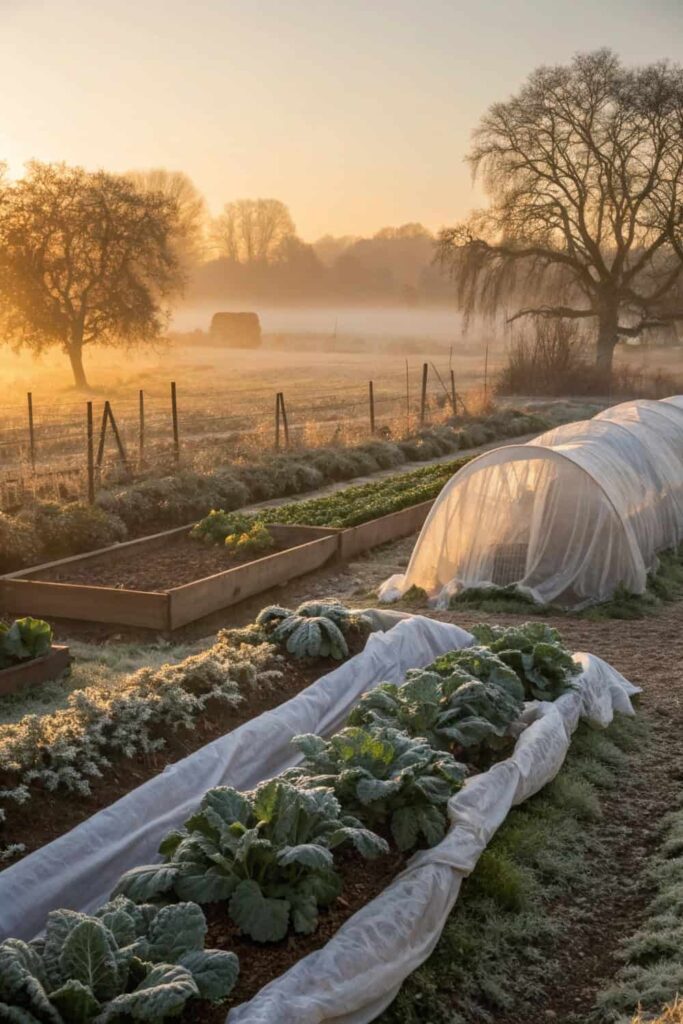
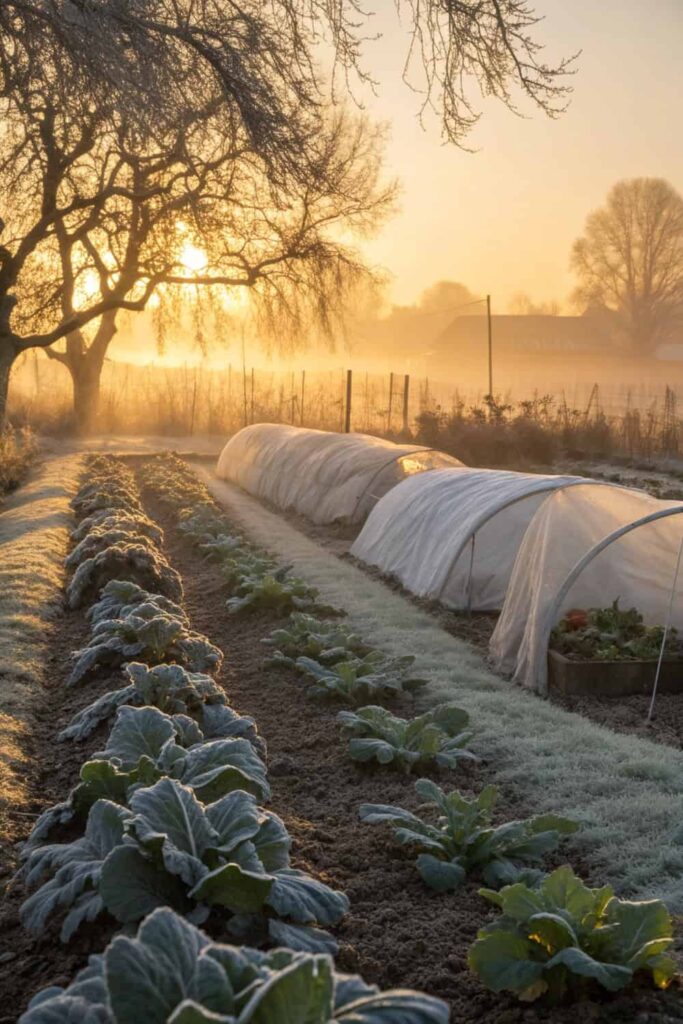
Frost can arrive suddenly. Preparing early saves your plants. For most crops, a light frost isn’t fatal. It can even sweeten flavors in kale, carrots, and beets. The key is timing protection before hard frost hits.
Save what you love, hover or tap the image and pin it now.
Ways to protect your fall garden:
Wildlife and Pollinators in Fall
A healthy environment supports birds, bees, and beneficial insects. These small actions create a balanced ecosystem that benefits your garden long-term
Tips to help wildlife:
Save what you love, hover or tap the image and pin it now.
Fall Garden Maintenance Checklist
A clear checklist helps you stay organized. Following this list ensures your garden stays ready for spring without major repairs or rework.
Pros and Cons of Fall Gardening
| Pros | Cons |
|---|---|
| Extended harvest and fresh produce | Shorter daylight hours slow growth |
| Reduced pests and diseases | Requires careful timing to beat frost |
| Better soil health with added compost | Some crops struggle in early cold snaps |
| Supports beneficial insects and pollinators | More planning is needed for crop rotation |
Planning for these challenges ensures a balanced and resilient garden through fall and into winter.
Comparison Table of Fall Garden Options
| Option | Best For | Main Benefits | Possible Drawbacks |
|---|---|---|---|
| Cool-season vegetables | Garden beds, containers | Continuous harvest, rich nutrition | Frost may shorten growth |
| Cover crops | Empty plots | Enrich soil, prevent erosion | Must be cut down before planting |
| Mulch and leaf litter | Around perennials | Retains moisture, supports insects | It can attract pests if left too thick |
| Frost covers | Tender crops | Protects plants from cold | Requires daily adjustment |
| Composting | All garden areas | Improves fertility, reduces waste | Needs time to decompose |
Use this table to match each option to your available time, resources, and goals.
Fall Garden Recommended Products
A few well-chosen products make maintenance easier and more effective.
Espoma Garden-tone Fertilizer
An organic, slow-release fertilizer ideal for cool-season vegetables. It enriches soil with microbes and natural nutrients, helping roots establish before winter. Use once during planting and again after two weeks.
Jobe’s Organics Fall Fertilizer
Formulated for trees, shrubs, and perennials. It enhances root development and strengthens plants before dormancy. Apply it around garden borders or under mulch.
Scotts Fall and Winter Fertilizer
Designed for lawns but works for ornamental beds too. It builds nutrient reserves and boosts soil structure. Apply lightly before frost for best results. These products improve soil quality, resilience, and plant health through the entire season.
Frequently Asked Questions
What vegetables grow best in a fall garden?
For the tastiest results, plant spinach, kale, radishes, carrots, and broccoli in the fall. Use rye or clover as cover crops. Protect crops from frost to extend harvest.
When should I start my fall garden?
Begin planting cool-season crops in late summer or early fall, counting backward from your area’s first frost date. While most need about six weeks to mature (check seed packets for specifics), you can typically plant a second crop of greens a month after the first.
Can I grow herbs in my fall garden?
Cilantro, parsley, thyme, and chives grow until frost; mulch for mild winters. Rosemary needs to be brought inside or heavily mulched. Mint, sage, and oregano are hardy. Bay laurel is not frost-hardy.
How do I protect plants from frost?
Mulch, cover plants, move pots to shelter. Wrap tender plants, water well to retain heat. Use a cold frame/greenhouse, uncover for sun.
Should I remove all leaves from the garden?
No. Keep some leaf litter to protect the soil and insects. Remove only diseased or moldy leaves. Don’t rake too hard and disturb the soil structure. A little bit of decaying leaves is good for the garden. It feeds the worms and other beneficial creatures.
Conclusion
Your fall garden is an investment in year-round growth. It gives you late-season harvests, replenishes soil nutrients, and supports a thriving ecosystem. Start with soil preparation, choose cool-season crops, and protect your plants from frost. Add mulch, compost, and organic fertilizer to keep the soil rich.
You can extend your gardening season to reduce the workload in spring, enjoy fresh produce, and keep your outdoor space lively. Planting in the fall builds resilience, sustainability, and satisfaction. The work you do today will create a stronger and healthier garden for tomorrow. Your backyard planting does not mean the end of growing; it is a smarter and more rewarding new beginning.

Save what you love, hover or tap the image and pin it now.