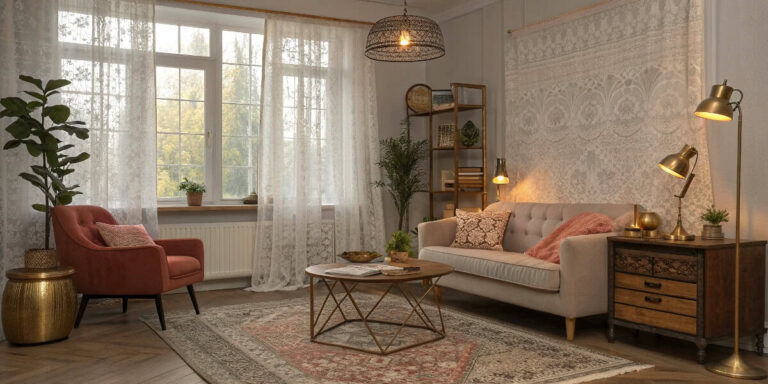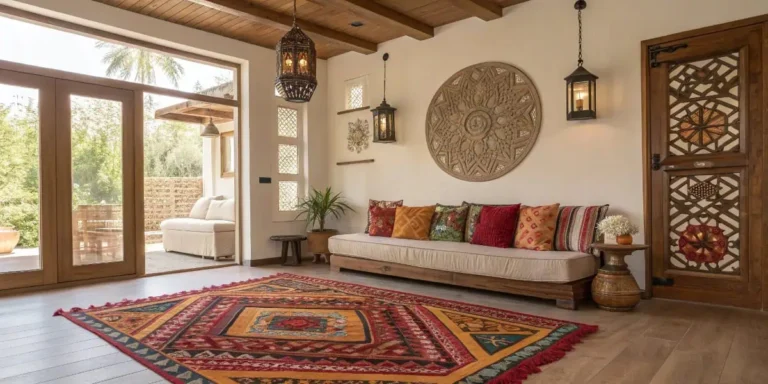
Embracing Wabi-Sabi Decor: Beauty in the Imperfect
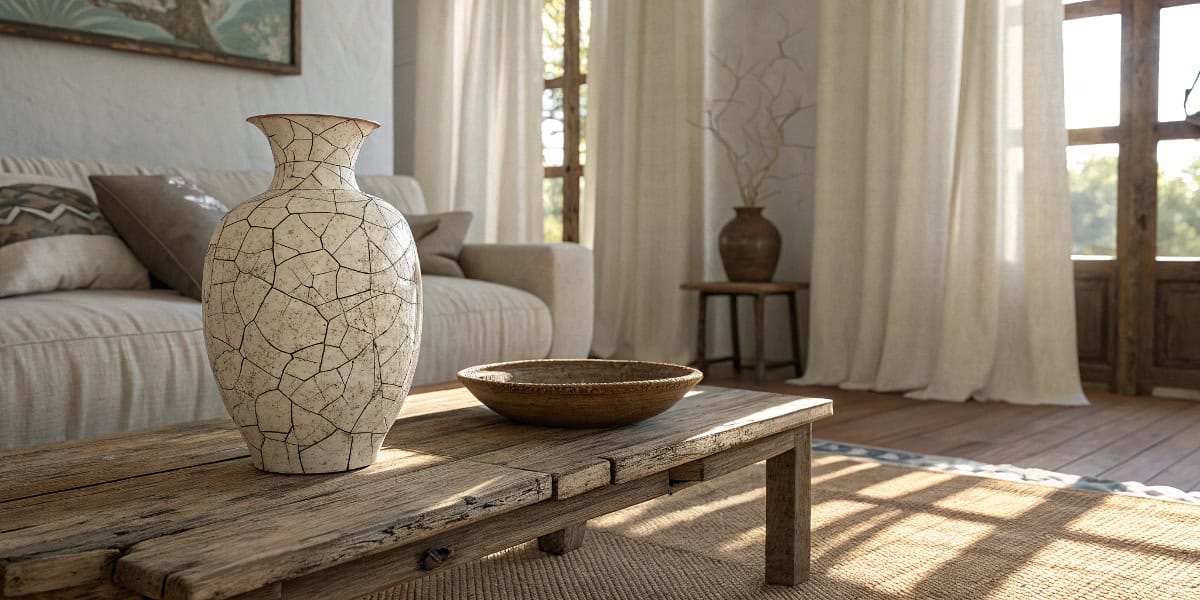
Have you ever looked at a cracked vase or a weathered wooden table and felt a strange sense of calm? That’s the magic of wabi-sabi decor. This Japanese way of seeing the world honors beauty in things that aren’t perfect, things that show signs of time and use.
In our busy lives filled with shiny gadgets and quick fixes, wabi-sabi decor offers a breath of fresh air. It reminds us to slow down, appreciate the simple stuff, and find joy in the natural flow of life. People turn to this style when they want homes that feel real and soothing, not like showrooms.
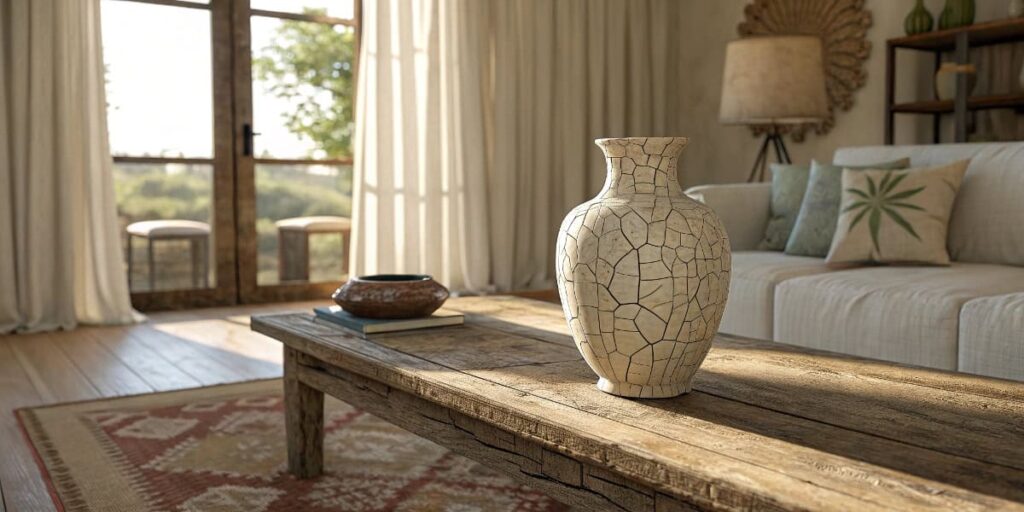

Save what you love, hover or tap the image and pin it now.
As we step into the next year, with more folks seeking peace amid chaos, wabi-sabi decor stands out as a gentle rebellion against perfection. This post will walk you through its roots, how to bring it into your space, and why it might just change how you feel at home. Stick around, and you might discover how a little imperfection can make your place feel more like you.
What is Wabi-Sabi Decor?
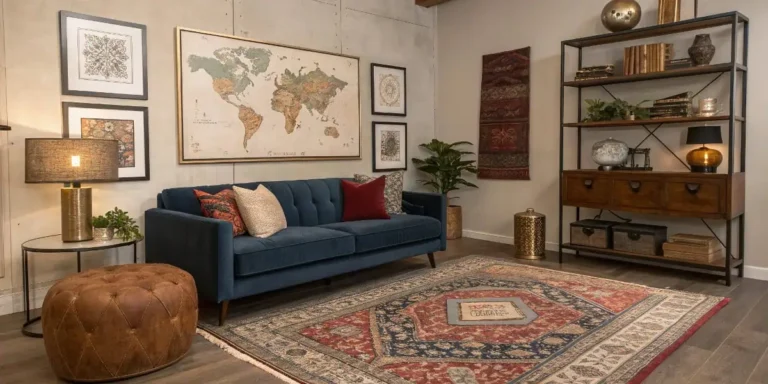
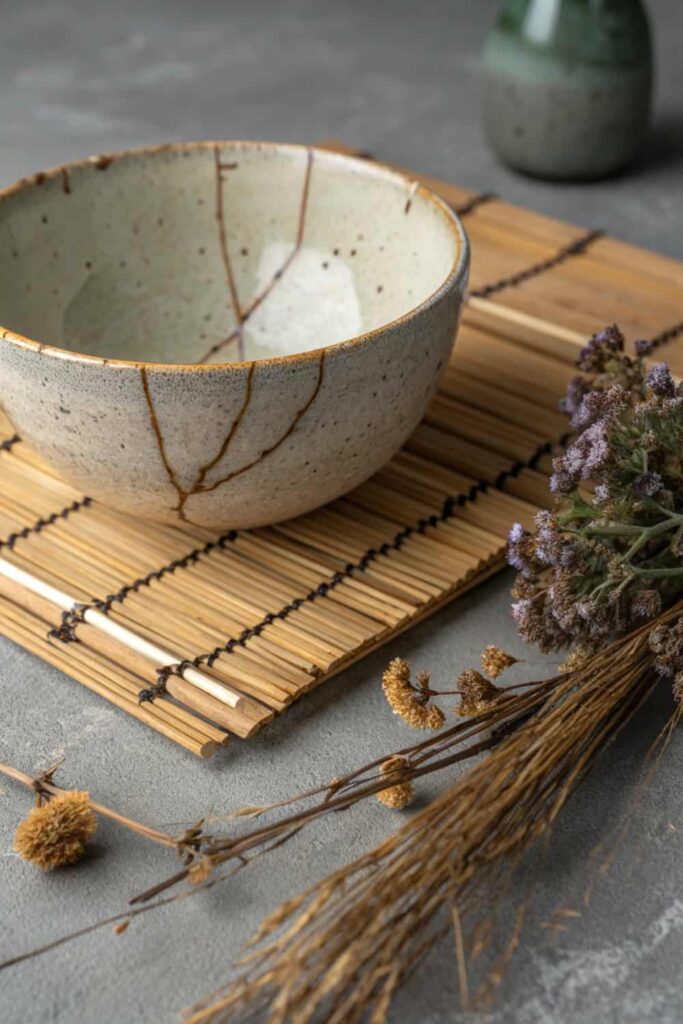
Picture a home where every scratch tells a story, and nothing needs to match perfectly. Wabi-sabi decor comes from an old Japanese idea that sees charm in the flawed and the fleeting. “Wabi” points to simple, rustic living close to nature, while “sabi” nods to the grace that comes with age.
Save what you love, hover or tap the image and pin it now.
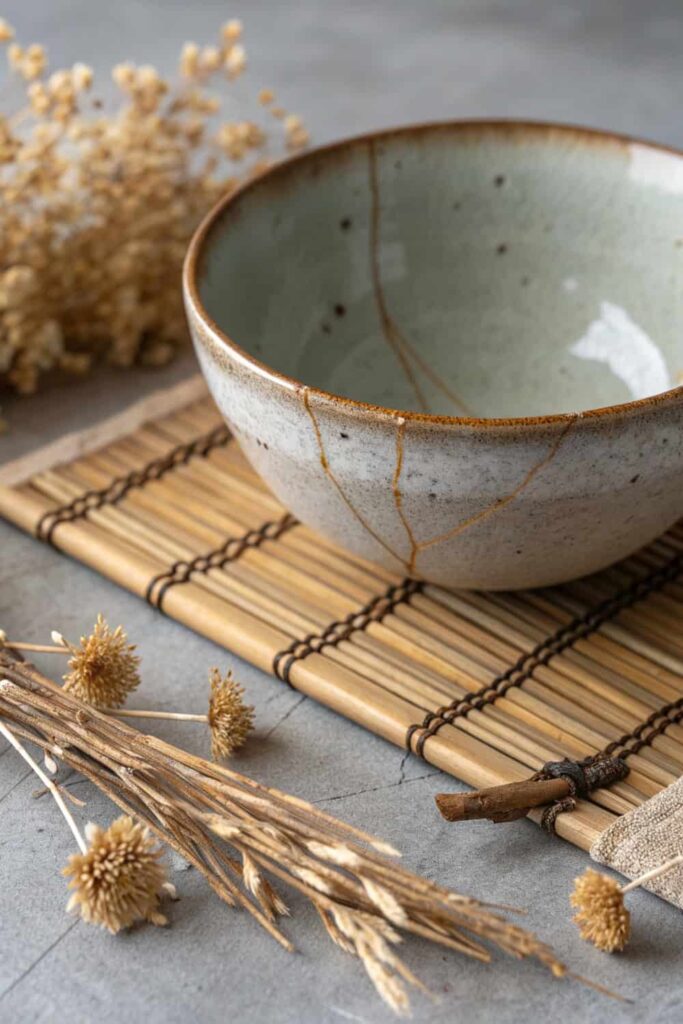
Together, they create spaces that feel lived-in and peaceful. Unlike slick modern designs that scream newness, this style celebrates handmade pots with uneven edges or fabrics that soften over time. It’s popular now because it counters our throwaway culture, encouraging us to keep items with history.
In a world obsessed with Instagram-perfect rooms, wabi-sabi decor invites you to relax and accept that life isn’t flawless. Think earthy tones, rough textures, and a touch of asymmetry, all adding up to a cozy haven.
Save what you love, hover or tap the image and pin it now.
Pro Tip: Start small by picking one imperfect item, like a chipped mug, and display it proudly. This builds your eye for beauty in the everyday without overwhelming your space.
The History Behind Wabi-Sabi Decor
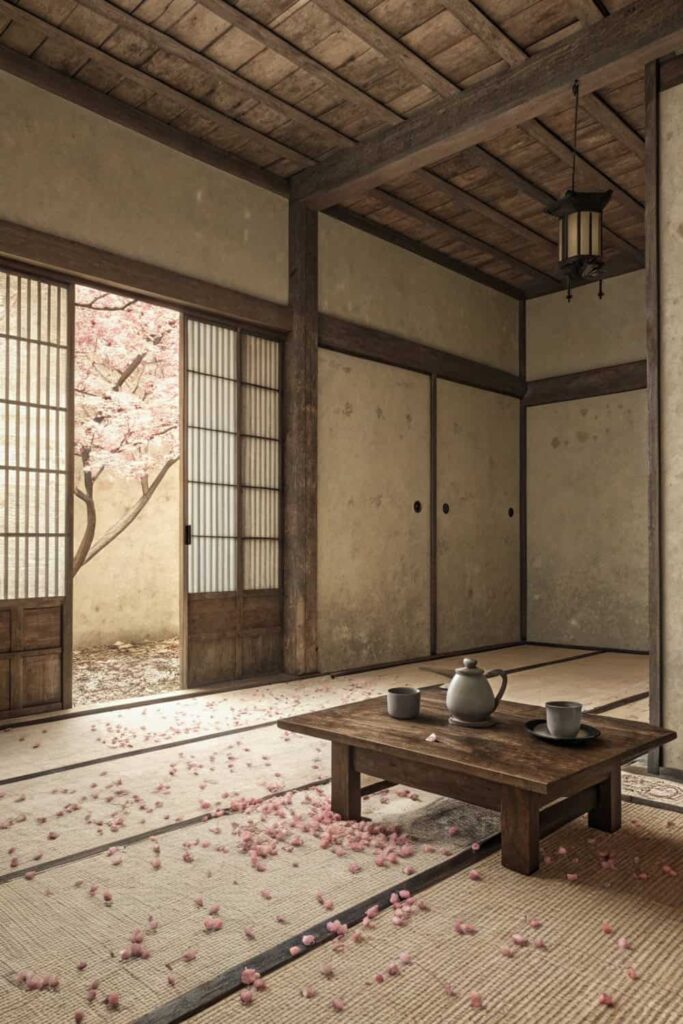
Wabi-sabi decor didn’t start as a trend; it grew from Zen Buddhist teachings back in the 15th century. Tea master Sen no Rikyu played a big role, shaking cherry blossoms to let petals fall messily during a ceremony.
Save what you love, hover or tap the image and pin it now.
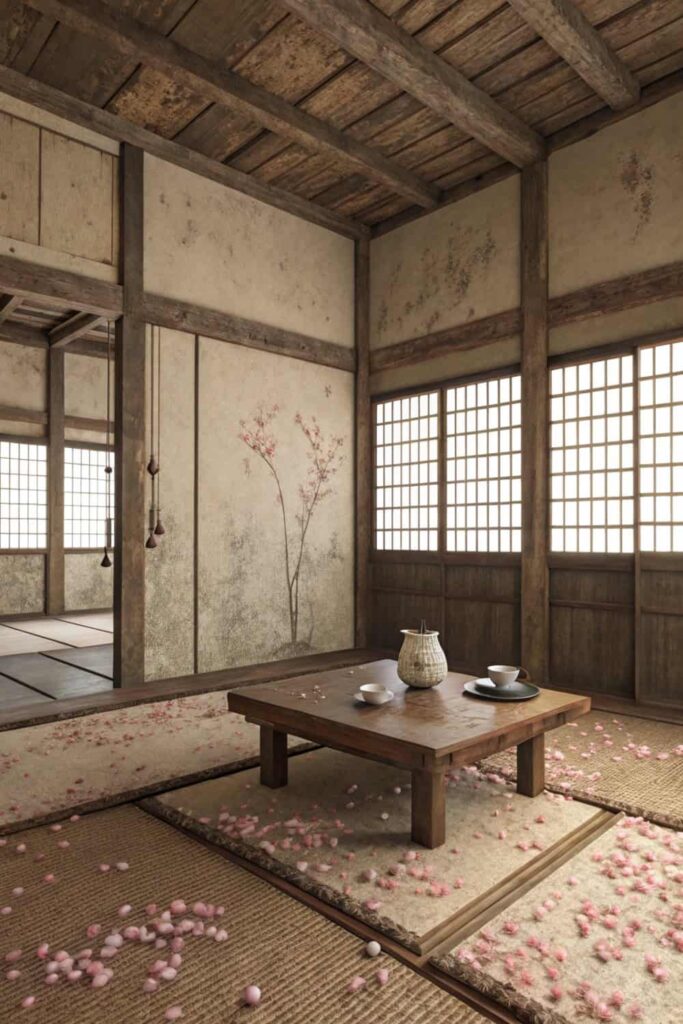
He showed that true beauty lies in nature’s random ways, not in fancy setups. Over time, this thinking shaped Japanese homes, favoring humble tea houses with rough walls and simple tools. By the 16th century, it influenced everything from pottery to gardens, always highlighting transience like how leaves change in fall.
Fast-forward to today, and wabi-sabi decor has spread worldwide, blending with modern life. It’s not just old stuff; it’s a mindset that values sustainability. In 2025, with 63% of people preferring minimalist brands according to a recent survey, this style fits right in, helping us connect to the past while living now.
Save what you love, hover or tap the image and pin it now.
Pro Tip: Visit a local museum or read about Japanese tea ceremonies to grasp the roots. This knowledge makes your decor choices feel more personal and grounded.
Key Principles Guiding Wabi-Sabi Decor
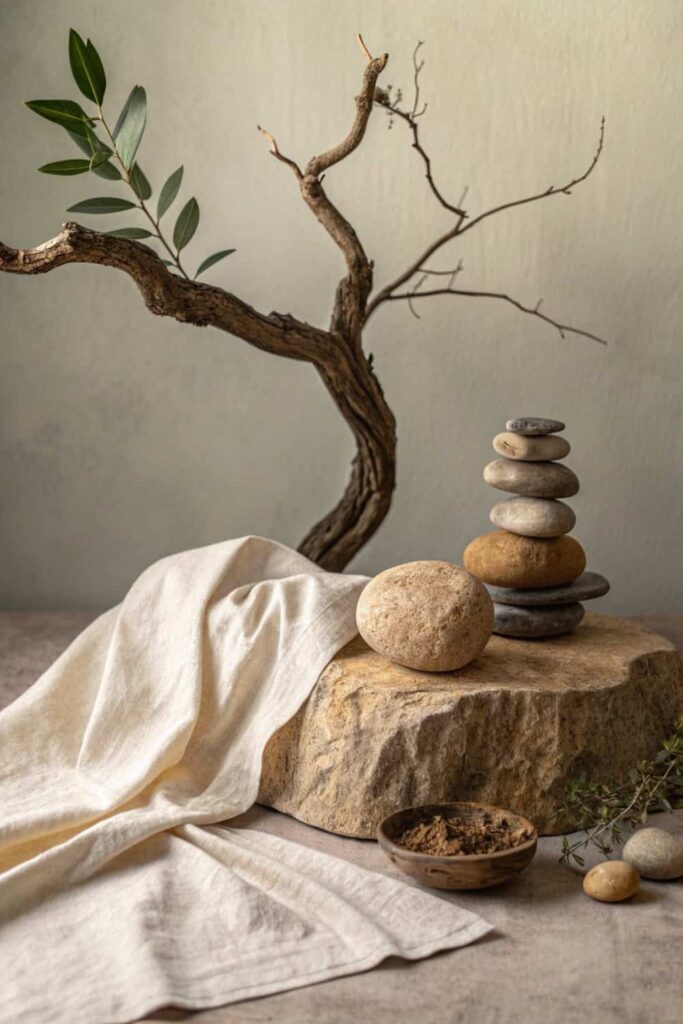
At its heart, wabi-sabi decor follows ideas that keep things real and serene. Simplicity tops the list, clear out clutter so each piece shines. Then comes asymmetry; forget straight lines, go for off-balance setups that mimic nature. Naturalness is key, too, using wood, stone, and clay that age gracefully.
Save what you love, hover or tap the image and pin it now.
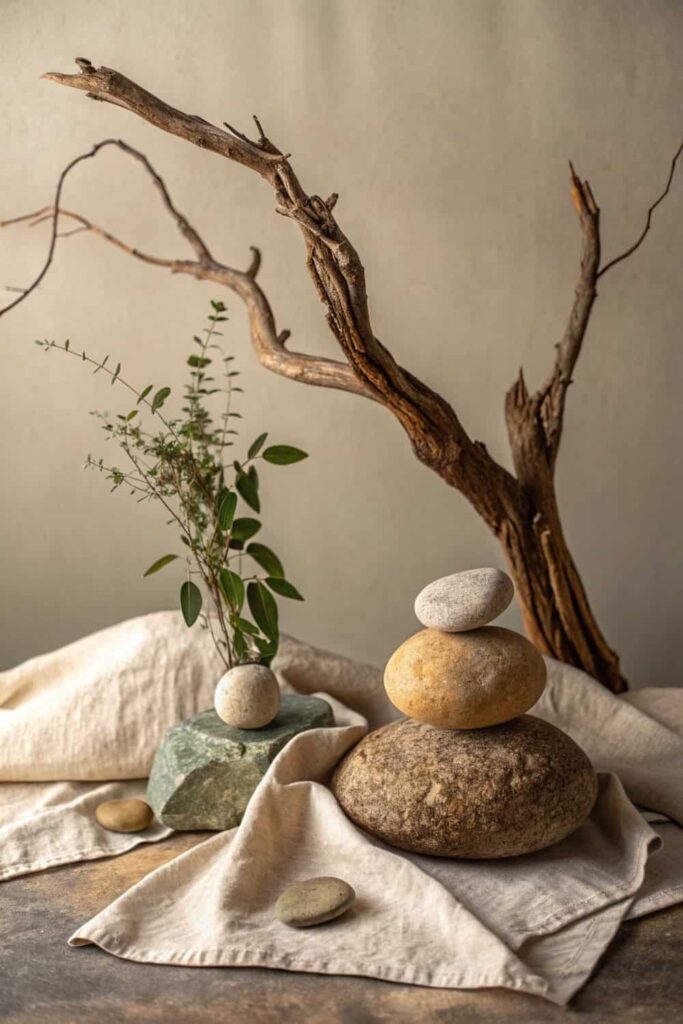
Don’t hide flaws; embrace them, as they add character. Tranquility wraps it all up, creating quiet spots for reflection. These principles aren’t rules but gentle nudges toward mindful living.
For example, a rough stone bowl might sit next to a smooth linen cloth, blending textures for harmony. Studies show such environments cut stress by promoting mindfulness, with one report noting how imperfect spaces build resilience and contentment.
Save what you love, hover or tap the image and pin it now.
Pro Tip: List your current items and see which fit these principles. Swap out plastic for natural alternatives to ease into the style without big changes.
How to Bring Wabi-Sabi Decor into Your Home
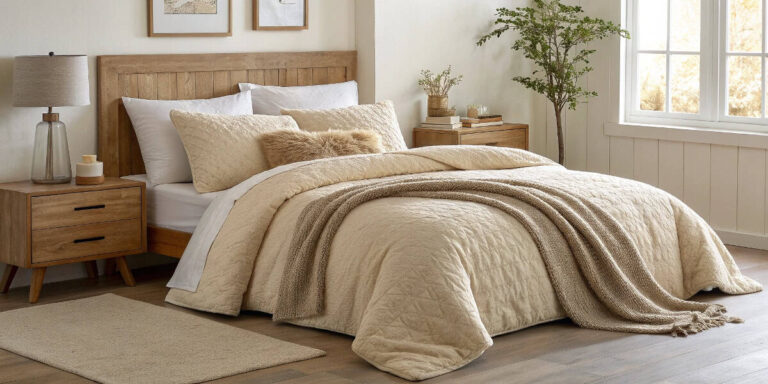
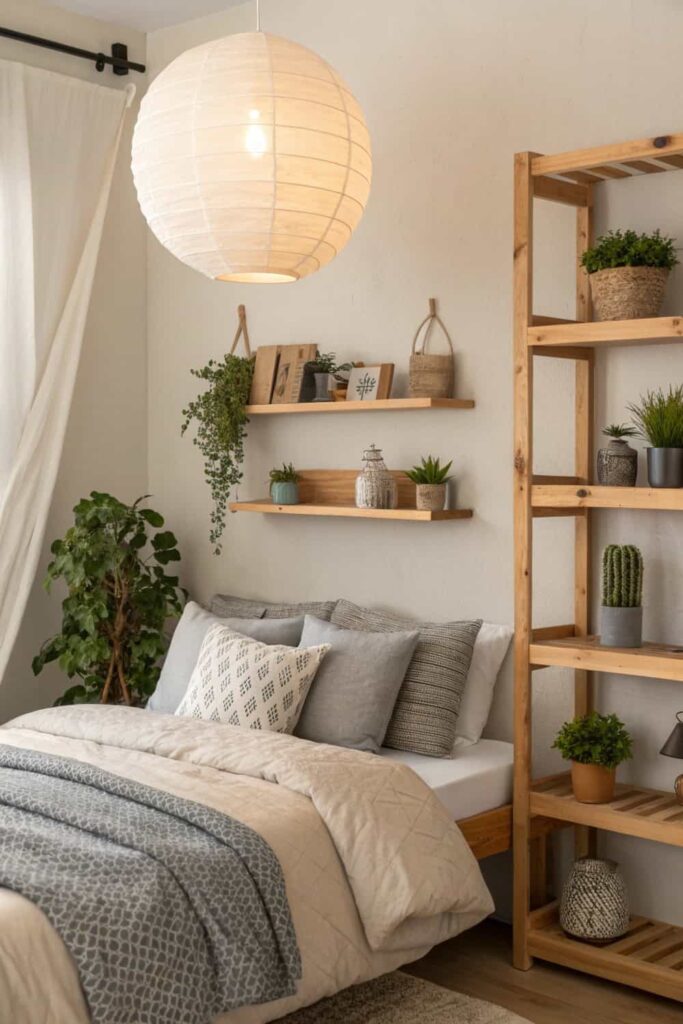
Bringing wabi-sabi decor home starts with small shifts that build over time. Begin by choosing materials like unfinished wood or handmade ceramics that show their origins. Layer textures, think wool throws over cotton sheets for that tactile feel.
Save what you love, hover or tap the image and pin it now.
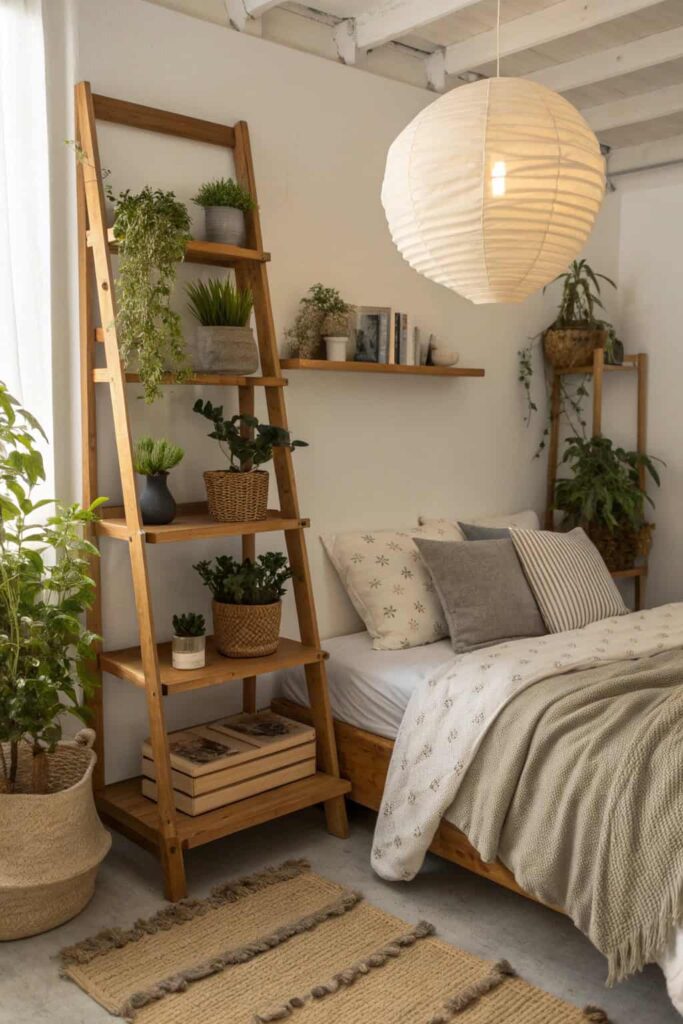
Keep colors muted: beiges, grays, and soft greens pulled from the outdoors. Arrange furniture unevenly; maybe push a chair at an angle for flow. Add plants or branches to echo nature’s wild side.
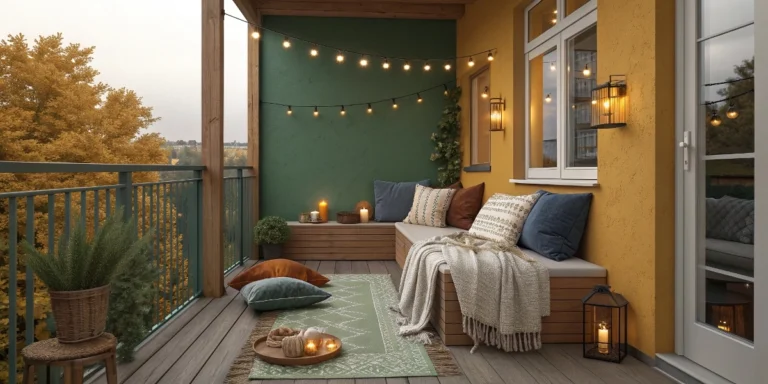
Lighting matters too; soft lamps over harsh bulbs create warm shadows. Remember, it’s about what feels right to you, not copying a magazine. One fun idiom fits here: “beauty in the rough,” like finding a diamond in dirt. This approach turns your space into a sanctuary that evolves with you.
Save what you love, hover or tap the image and pin it now.
Pro Tip: Walk through your rooms weekly and remove one unnecessary item. This habit keeps the simplicity alive and prevents buildup.
Psychological Perks of Wabi-Sabi Decor
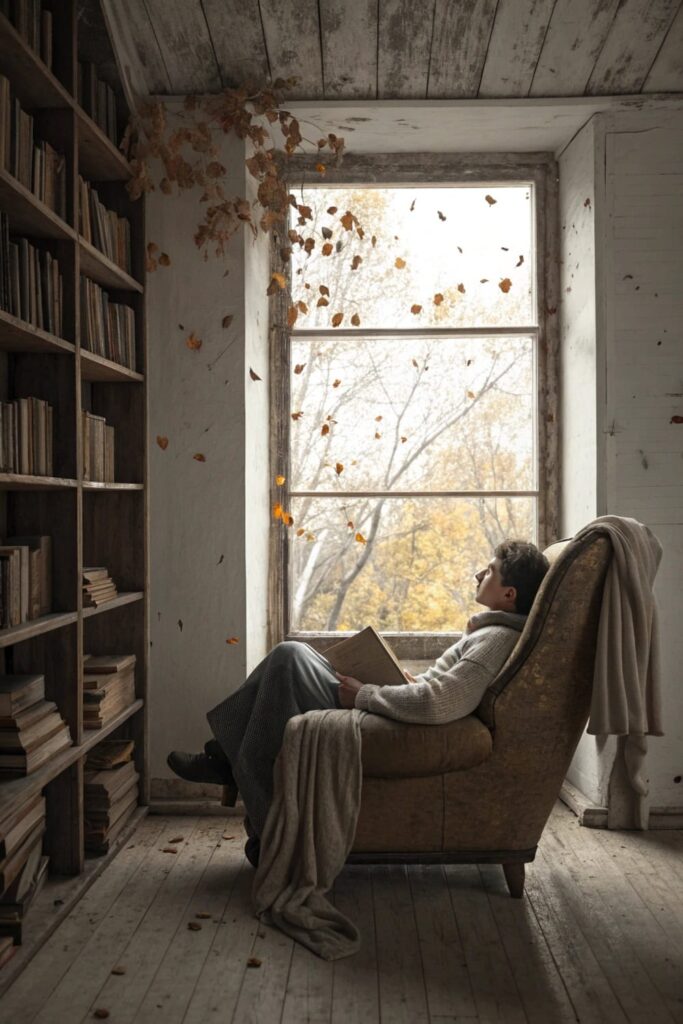
Wabi-sabi decor does more than look good; it boosts your mood in real ways. By accepting imperfections, it eases the pressure to be perfect, fostering a sense of authenticity that reduces anxiety.
Save what you love, hover or tap the image and pin it now.
Research links such spaces to better mental health, with one study showing minimalist setups increase feelings of calm by 40%. It encourages mindfulness, as you notice the patina on a favorite chair or the fade in a rug. This builds resilience like the Japanese art of kintsugi, where broken pots get fixed with gold, turning flaws into strengths.
In hectic times, these homes offer a quiet escape, helping you unwind after long days. Humor helps too: imagine your crooked shelf laughing at straight ones. Overall, it promotes contentment, making daily life feel more grounded and joyful.

Save what you love, hover or tap the image and pin it now.
Pro Tip: Journal about one “imperfect” feature in your home each day and why it brings joy. This practice strengthens the emotional bond to your space.
DIY Ideas for Wabi-Sabi Decor Projects
Save what you love, hover or tap the image and pin it now.
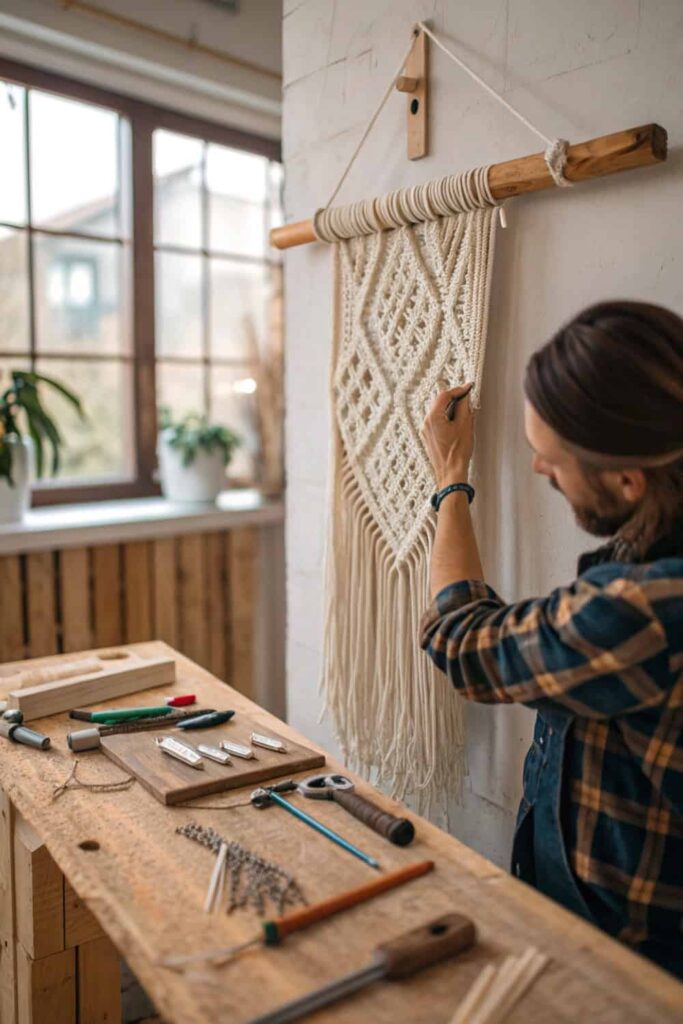
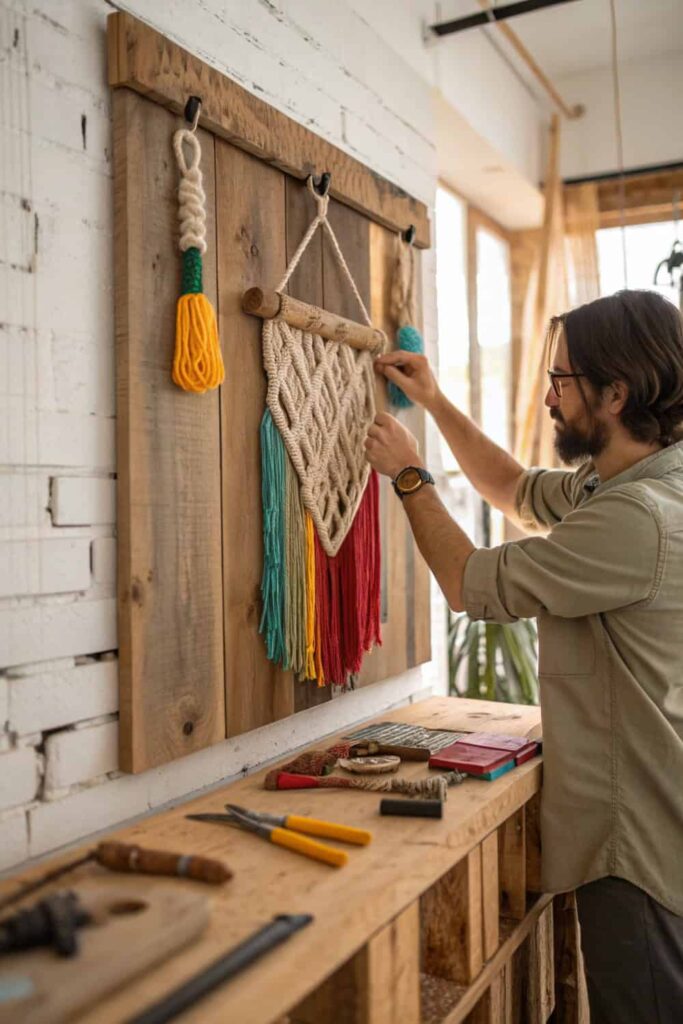
Get hands-on with wabi-sabi decor through easy DIYs that add a personal touch. Try making a slat wood bench from reclaimed planks, sand lightly but leave knots visible for that rustic vibe. Or craft wall art by texturing canvas with natural pigments, creating abstract patterns that aren’t too precise.
A simple pendant light from twisted branches and a basic bulb kit brings a soft glow. For smaller stuff, shape clay vases by hand, embracing uneven shapes. Upcycle old fabrics into throw pillows with rough stitches. These projects save money and infuse your home with stories. As trends in 2025 lean toward raw elements, like imperfect ceramics, your DIYs will fit right in. Plus, the process itself calms the mind, like a mini meditation session.
Save what you love, hover or tap the image and pin it now.
Pro Tip: Source materials from nature walks or thrift shops for free. This keeps costs low and adds authentic, found-object charm.
Avoiding Common Pitfalls in Wabi-Sabi Decor
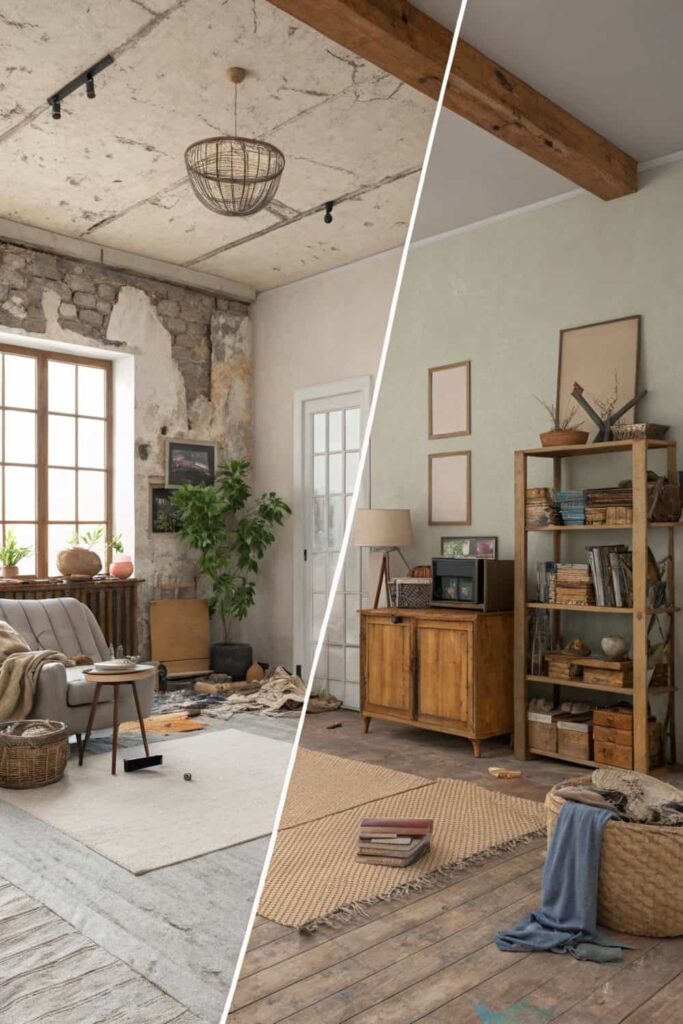
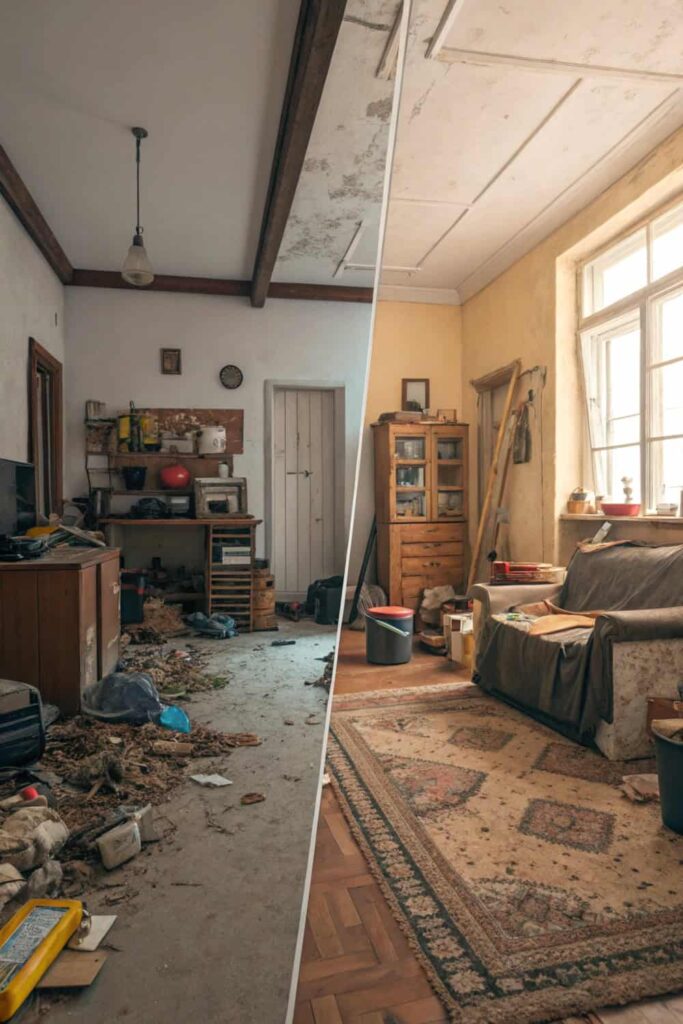
While wabi-sabi decor is forgiving, some slips can throw off the balance. One big mistake is overdoing it; cramming too many “imperfect” items creates clutter, not calm. Aim for breathing room.
Save what you love, hover or tap the image and pin it now.
Another is forcing flaws; don’t distress new furniture artificially, let time do its work. Shiny, uniform pieces clash too, so skip plastic or polished metals. Ignoring functionality hurts; choose comfy, useful items over pure looks.
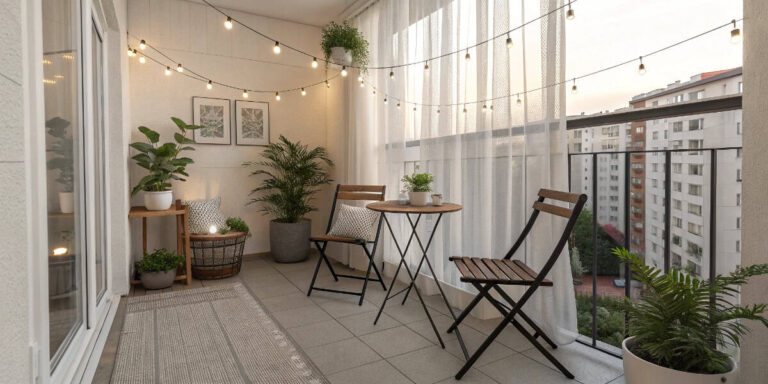
Finally, forgetting nature’s role leaves spaces feeling flat; always include plants or outdoor views. By dodging these, your home stays true to the style’s spirit. Think of it like the idiom “don’t gild the lily” – no need to fancy up what’s already beautiful in its simplicity.
Save what you love, hover or tap the image and pin it now.
Pro Tip: Step back after adding something new and ask if it feels peaceful. If not, tweak or remove to maintain harmony.
Wabi-Sabi Decor Trends in the Future
Save what you love, hover or tap the image and pin it now.
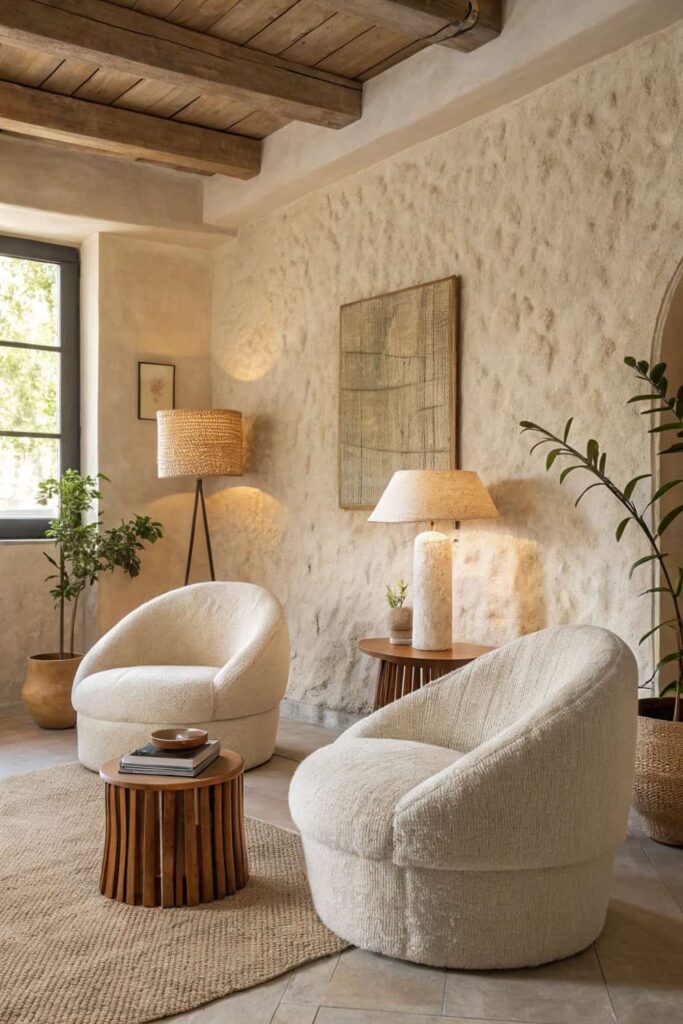
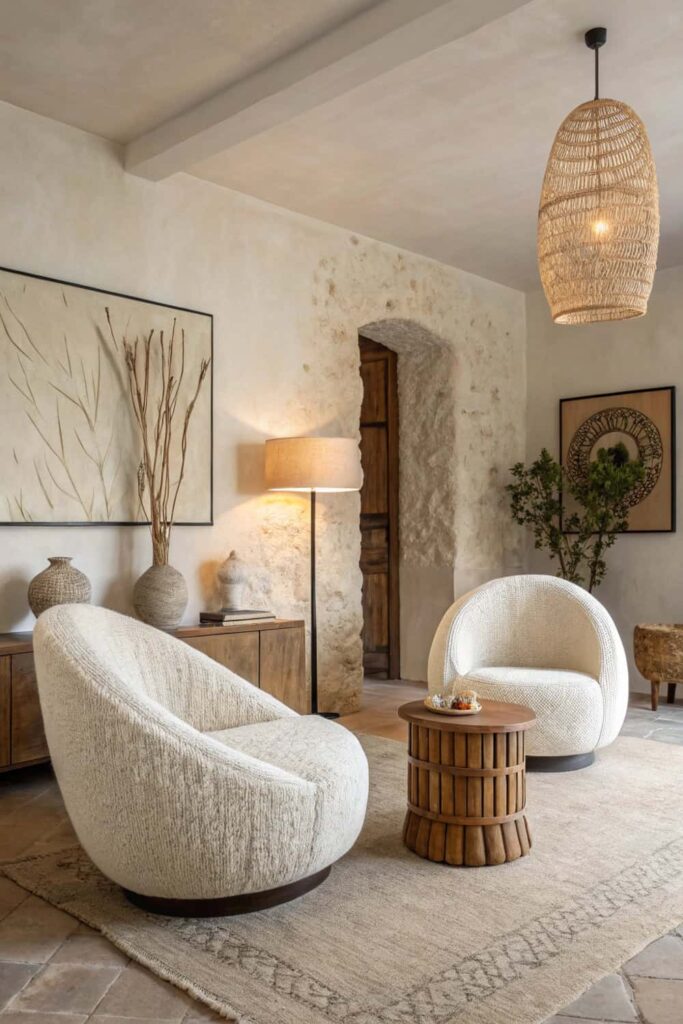
Wabi-sabi decor evolves with fresh twists that keep it relevant. Earth-toned walls with plaster finishes gain traction, offering subtle texture without fuss. Bouclé furniture adds cozy, imperfect weave to seating. Lighting shifts to organic shapes, like handmade paper lamps that cast gentle shadows.
Raw natural elements, such as weathered wood accents, dominate, blending with AI-inspired art for a modern edge. Sustainability drives this, with upcycled pieces starring. Surveys show 75% of young homeowners favor minimalist vibes, boosting wabi-sabi’s appeal. It pairs well with Japandi too, mixing clean lines with rustic touches. These updates make the style feel current, perfect for homes seeking grounded elegance amid digital overload.
Save what you love, hover or tap the image and pin it now.
Pro Tip: Follow design blogs for seasonal ideas, like adding fall leaves for temporary decor. This keeps your space fresh without permanent changes.
Famous Examples Inspiring Wabi-Sabi Decor
Save what you love, hover or tap the image and pin it now.
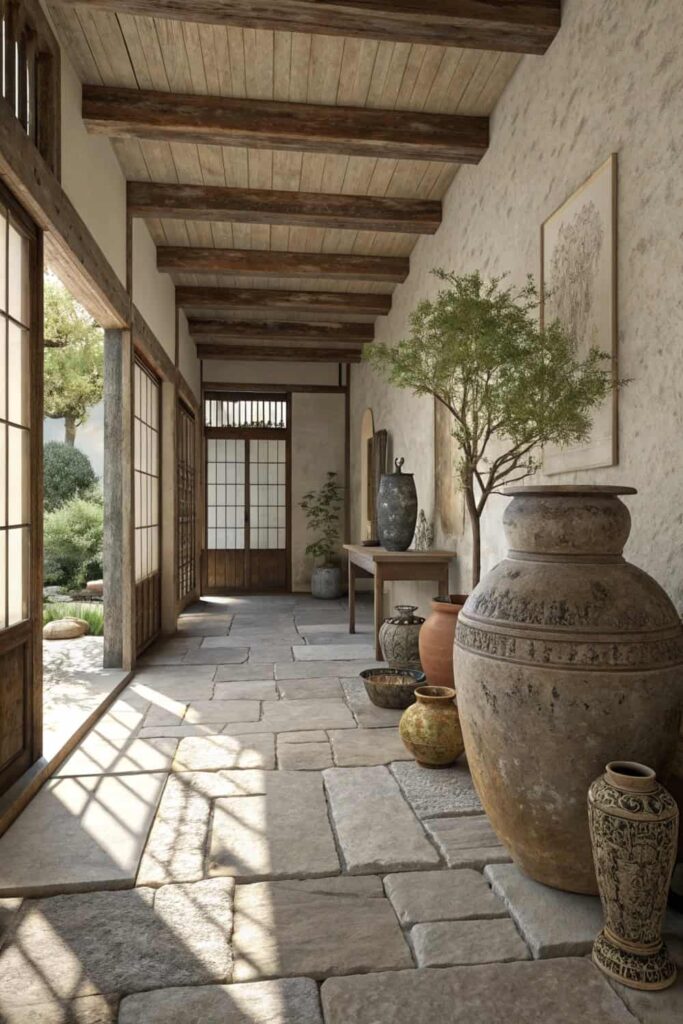
- Ise Grand Shrine, Japan: Rebuilt every 20 years with simple wood, it captures wabi-sabi’s essence of impermanence.
- Sen no Rikyu’s Tea Houses: Rough clay walls and asymmetric layouts set a timeless tone for authentic, imperfect spaces.
- Axel Vervoordt’s Belgian Homes: Blend antique pottery with natural stone for a serene, modern wabi-sabi vibe.
- George Nakashima’s U.S. Homes: Midcentury designs highlight wood’s natural grains, embracing raw beauty.
- Dezeen’s Global Lookbooks: Feature Spanish villas with cracked tiles and NYC lofts with exposed bricks, showing wabi-sabi’s universal appeal.
- Mixing Old and New: Like “old wine in new bottles,” these examples inspire combining timeless ideas with fresh settings.
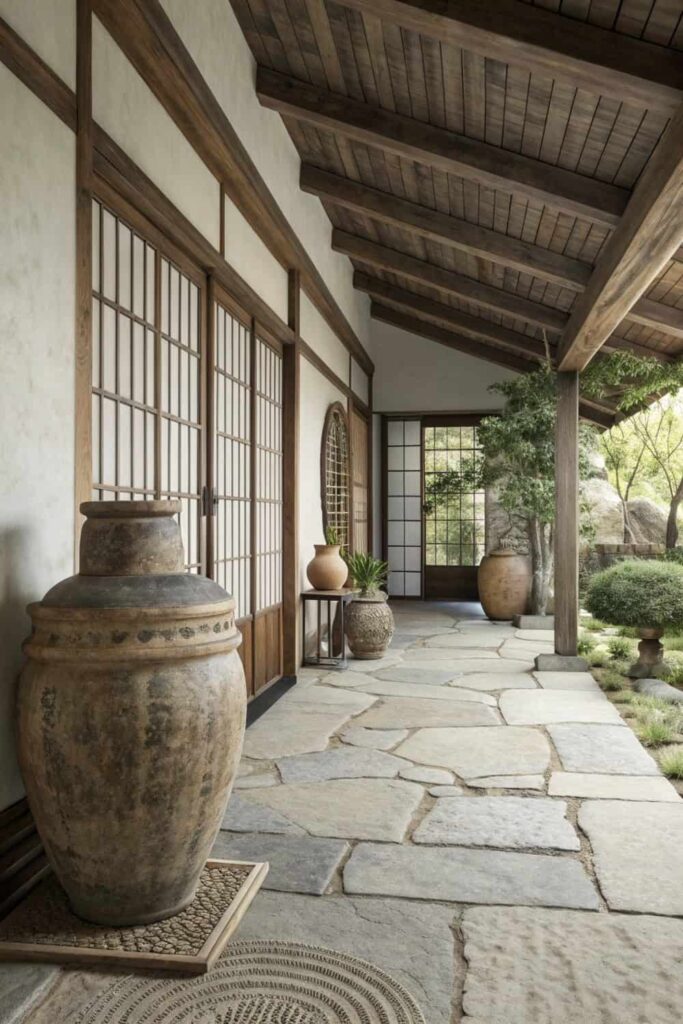
Save what you love, hover or tap the image and pin it now.
Pro Tip: Pin photos of these examples on a mood board. Use them as guides when shopping or arranging your own space.
Comparison Table of Wabi-Sabi Decor
To see how wabi-sabi decor stacks up, here’s a table comparing it to similar styles like minimalist, rustic, and Japandi. This highlights unique features and helps you decide what fits your home.
| Aspect | Wabi-Sabi Decor | Minimalist Decor | Rustic Decor | Japandi Decor |
| Core Philosophy | Beauty in imperfection and transience | Simplicity and functionality | Warm, countryside charm | Blend of Japanese and Scandinavian minimalism |
| Materials | Natural, aged wood, clay, stone | Sleek metals, glass, neutrals | Reclaimed wood, iron, and leather | Clean wood, linen, subtle textures |
| Color Palette | Earthy muted tones, grays, browns | White, black, neutrals | Warm earth tones, reds, greens | Soft neutrals, blacks, whites |
| Key Features | Asymmetry, textures, patina | Clean lines, open spaces | Heavy furniture, cozy layers | Functional, hybrid simplicity |
| Best For | Peaceful, mindful living | Modern, clutter-free | Cozy, traditional feel | Elegant, balanced minimalism |
| Popularity Stat | Rising with 63% preferring minimalist elements | 75% choose in surveys | Steady in rural homes | Trending in urban settings |
This table shows wabi-sabi’s focus on flaws sets it apart, making it ideal for authentic spaces.
Recommended Products for Wabi-Sabi Decor
Ready to shop? Here are a few Amazon picks that capture wabi-sabi’s essence. Each brings natural charm and imperfection to your home.
Handmade Ceramic Vase
This uneven ceramic vase in earthy tones adds subtle texture to shelves or tables. Its handmade shape embraces flaws, perfect for holding branches or standing alone, creating a serene focal point that evolves with use.
Wooden Table Lamp
Crafted from reclaimed wood with a soft fabric shade, this lamp casts warm light that highlights natural grains and knots. It brings cozy illumination to bedside or living areas, blending function with aged beauty.
Linen Throw Blanket
Soft, undyed linen with frayed edges drapes beautifully over sofas or beds. Its natural wrinkles add tactile interest, offering comfort while fitting the simple, imperfect vibe of wabi-sabi spaces.
Frequently Asked Questions About Wabi-Sabi Decor
What materials work best for wabi-sabi decor?
Stick to natural ones like wood, stone, and clay that show age. They bring authenticity and texture without trying too hard.
How does wabi-sabi decor differ from minimalism?
Wabi-sabi welcomes imperfections and warmth, while minimalism focuses on clean, flawless lines. Both keep things simple, but wabi-sabi feels more organic.
Can I mix wabi-sabi decor with other styles?
Yes, blend it with Japandi for balance or rustic for coziness. Start small to see what flows well in your space.
Is wabi-sabi decor expensive to achieve?
Not at all, thrift finds and DIYs keep costs low. Focus on quality over quantity for lasting appeal.
How do I maintain wabi-sabi decor over time?
Let items age naturally and clean gently. Rotating pieces to refresh without disrupting the
Conclusion
Wabi-sabi decor is more than a style; it’s a way to live with ease and joy, embracing the beauty of imperfections. We explored its Zen roots, guiding principles, and simple ways to bring it home with DIYs and thoughtful picks. Unlike basic tips from other posts, we dove into 2025 trends like bouclé textures and the stress-relief benefits backed by studies.
We also shared unique ideas, like avoiding common mistakes and drawing inspiration from historic shrines. Picture a home where every scratch tells a story, whispering, “It’s okay to be real.” In a throwaway world, wabi-sabi encourages cherishing the moment. With over 70% of folks craving simpler spaces, it’s a perfect fit. Try it: pick one flawed item and let it shine. Your home will feel alive, growing with you. Thanks for reading now go embrace the imperfect!

Save what you love, hover or tap the image and pin it now.