Japandi Living Room: Design Your Perfect Peaceful Space
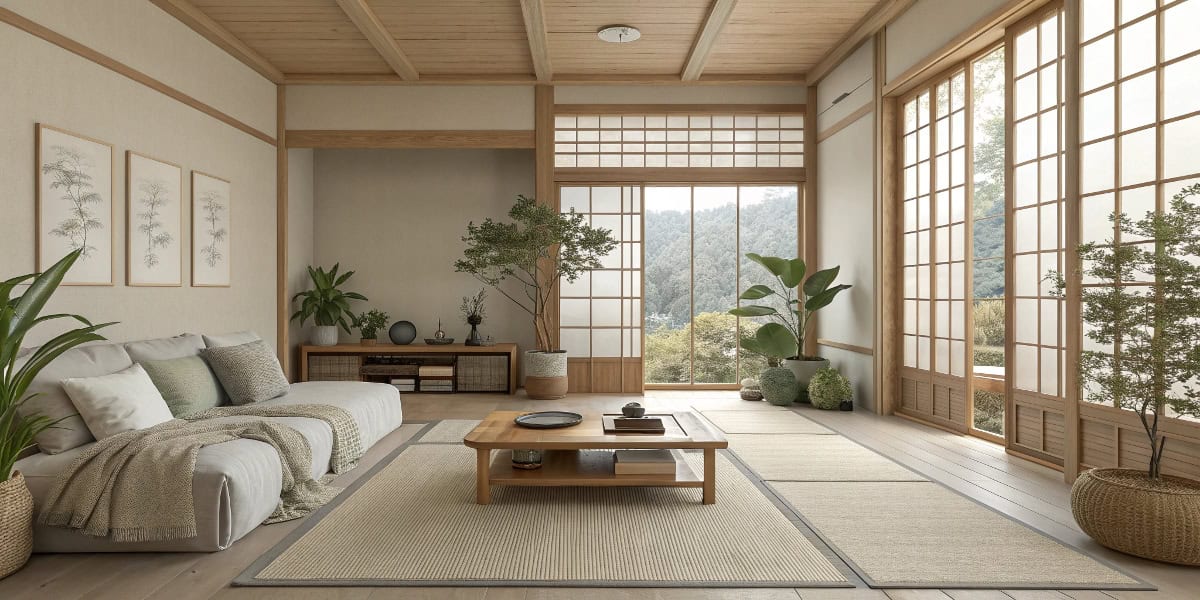
Have you ever walked into a room and felt an instant wave of calm wash over you? That’s the magic of a Japandi living room. This style mixes the clean, simple lines of Japanese design with the warm, cozy feel of Scandinavian homes. It’s all about creating a space that’s peaceful, functional, and connected to nature without any fuss.
In today’s busy world, where stress seems to follow us everywhere, a Japandi living room offers a quiet escape right in your own home. It’s gained huge popularity lately; searches for this look jumped 108% last year alone, according to Yelp data. Whether you’re revamping a tiny apartment or a spacious family area, this guide will walk you through everything from basics to practical tips.
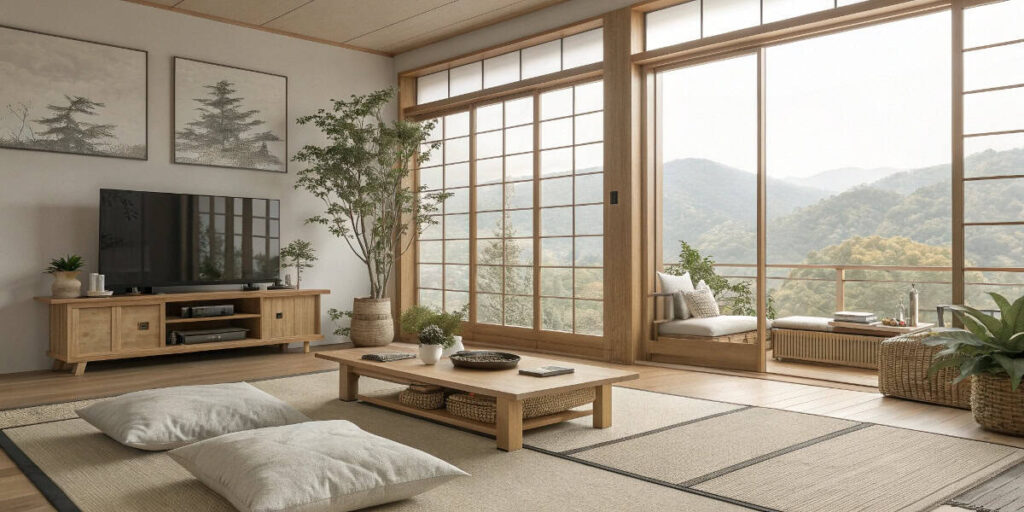

Save what you love, hover or tap the image and pin it now.
You’ll learn how to blend natural materials, soft colors, and smart furniture choices to build a room that feels like a gentle hug. Get ready to transform your living space into a haven of tranquility that boosts your mood and reduces clutter.
What is Japandi Style?
Save what you love, hover or tap the image and pin it now.
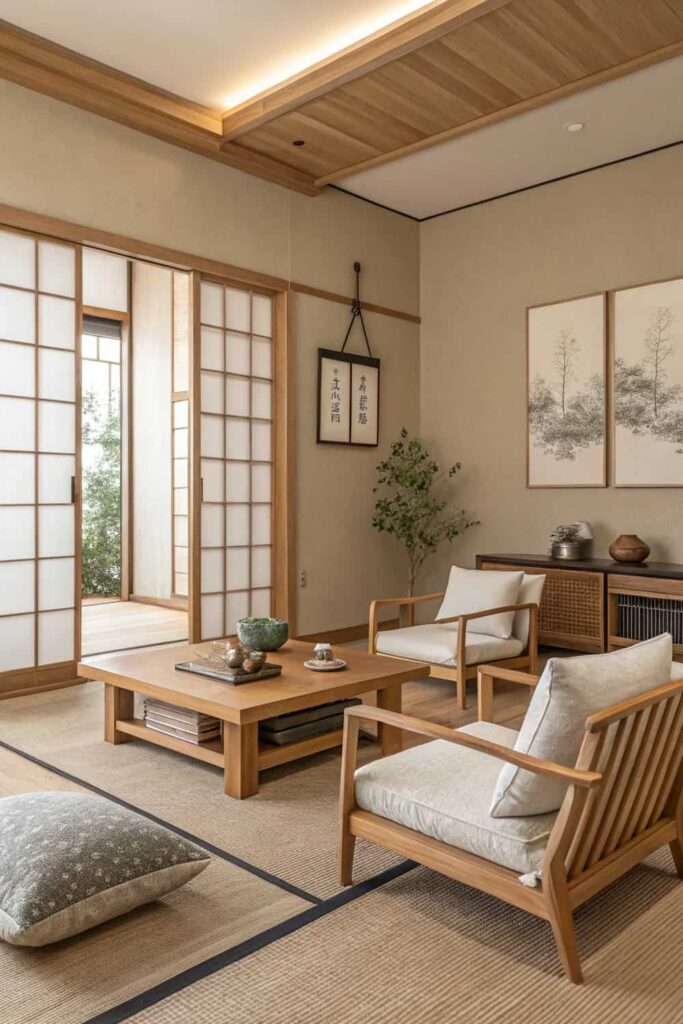
Japandi style is a fusion of “Japanese” and “Scandi,” and it does just that; it combines the best elements from both worlds. Think Japanese minimalism, where every item has a purpose and nothing extra crowds the space, paired with Scandinavian hygge, that cozy vibe that makes you want to curl up with a hot drink.
The result? A living room that’s serene, practical, and full of natural charm. Unlike flashy trends that come and go, Japandi sticks around because it focuses on timeless pieces that last. You won’t find bold patterns or shiny metals here; instead, it’s soft woods, earthy tones, and open areas that let you breathe easy. People love it for how it turns a regular room into a personal sanctuary, perfect for unwinding after a long day or hosting friends without the chaos.
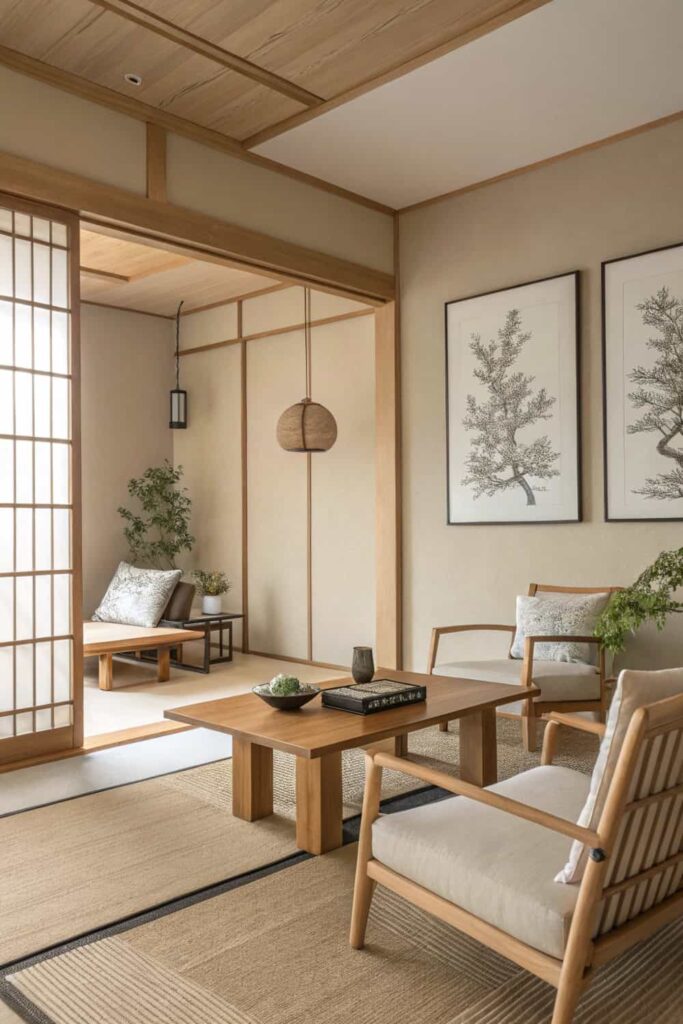
Save what you love, hover or tap the image and pin it now.
Pro Tip: Start small by picking one corner of your room to test Japandi elements, like adding a wooden side table and a potted plant..
The History Behind Japandi Design
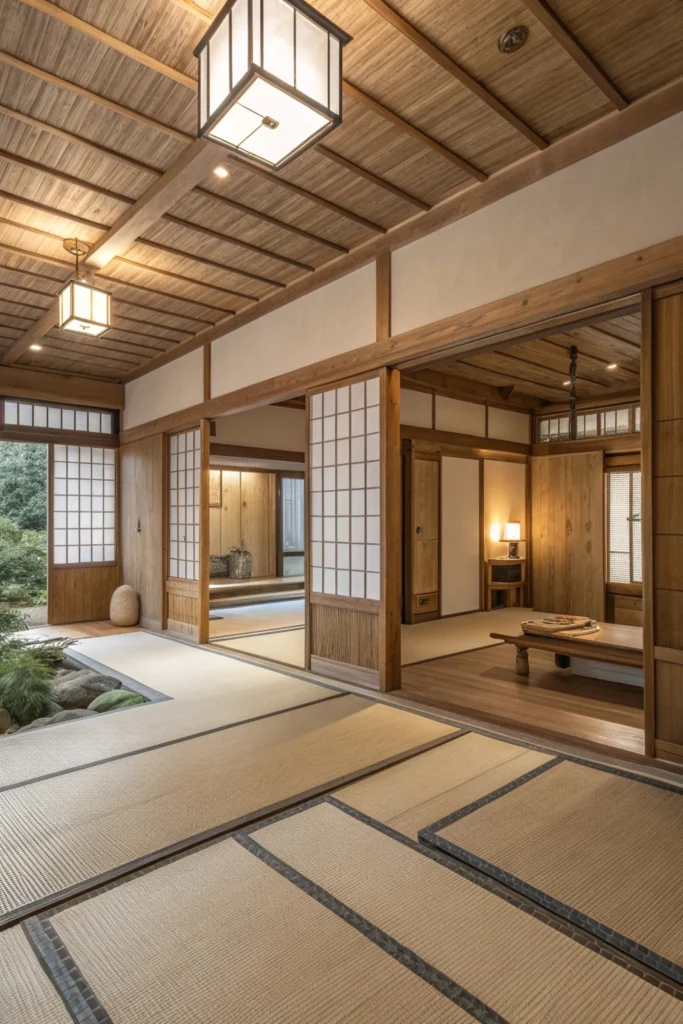
Save what you love, hover or tap the image and pin it now.
Japandi didn’t just pop up overnight, its roots go back to the 1800s when Japan opened its borders after years of isolation. Scandinavian designers got inspired by Japanese art and craftsmanship during world expos, bringing home ideas like simple forms and natural materials.
Fast forward to today, and this blend has evolved into a global favorite, especially as people seek out mindful living in a fast-paced world. In the 1950s, Danish architects like Finn Juhl drew from Japanese influences, creating furniture that’s functional yet beautiful. Now in 2025, with everyone craving balance amid digital overload, Japandi has surged as a go-to style. It’s not just decor; it’s a nod to cultural exchange that values imperfection and harmony, like the Japanese wabi-sabi philosophy meeting Scandi’s love for light and warmth.
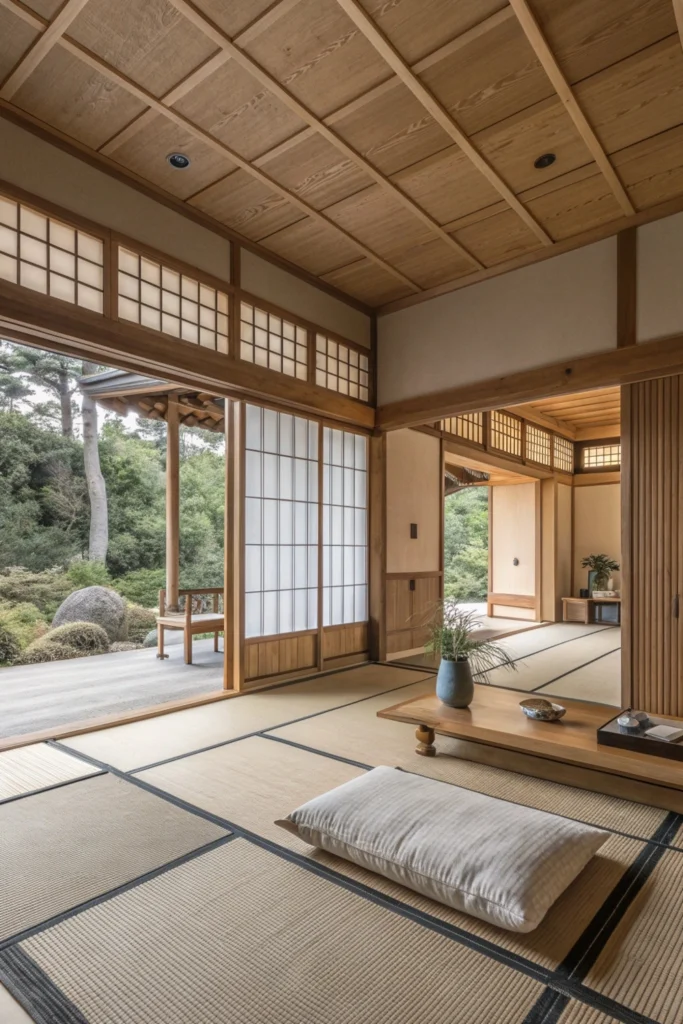
Save what you love, hover or tap the image and pin it now.
Pro Tip: Dig into old design books or online archives for vintage Japanese prints to hang as art.
Key Elements of a Japandi Living Room
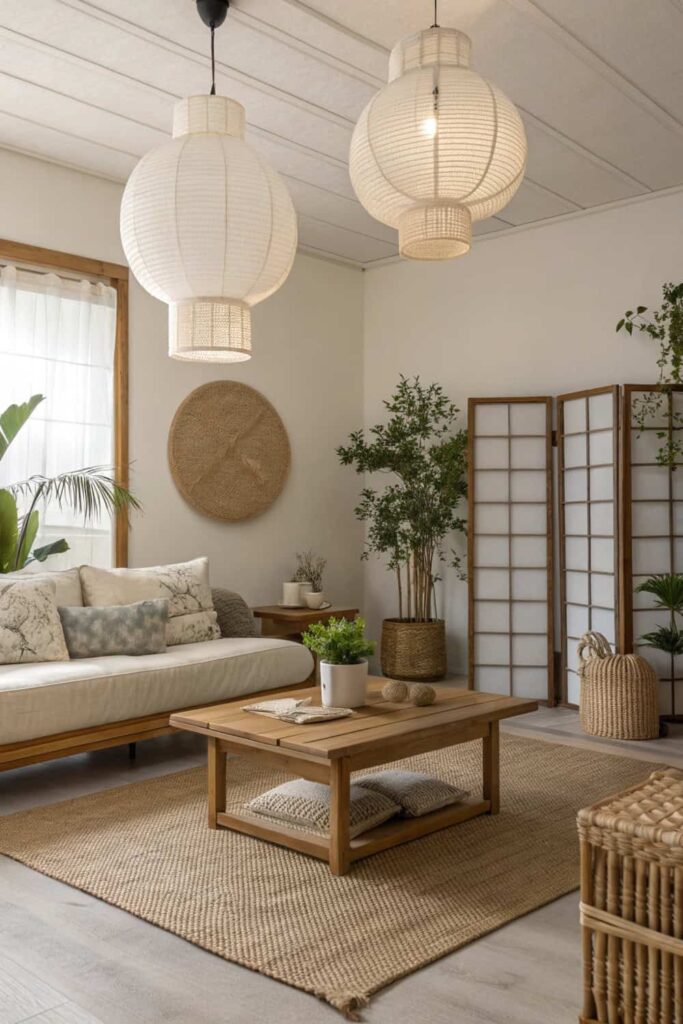
Save what you love, hover or tap the image and pin it now.
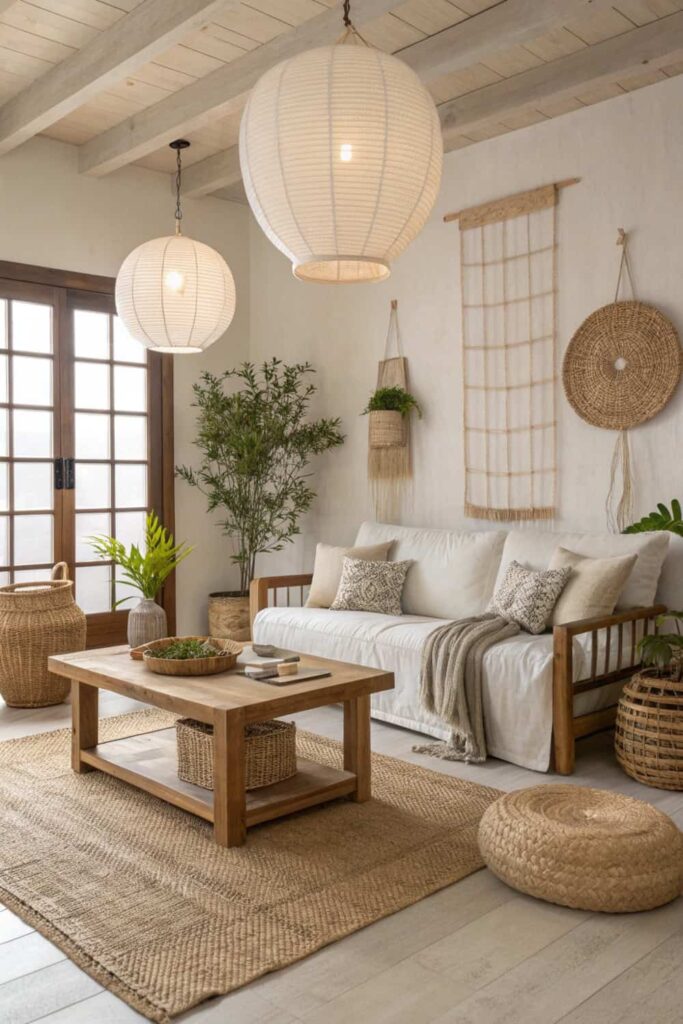
To nail Japandi, focus on a few core pieces that tie everything together. Start with neutral colors, think soft beiges, grays, and whites that mimic nature’s calm. Add in natural materials like oak wood, bamboo, or linen for texture that feels alive under your fingers. Furniture should be low to the ground, with clean lines that don’t overwhelm the eye.
Lighting plays a big role too; go for soft, diffused lamps that create a gentle glow, echoing the sun filtering through trees. Don’t forget plants, a few green friends like ferns or bonsai bring life and freshness. The goal is balance: not too stark, not too cluttered, just right for everyday living.
Save what you love, hover or tap the image and pin it now.
1. Color Palettes That Soothe the Soul
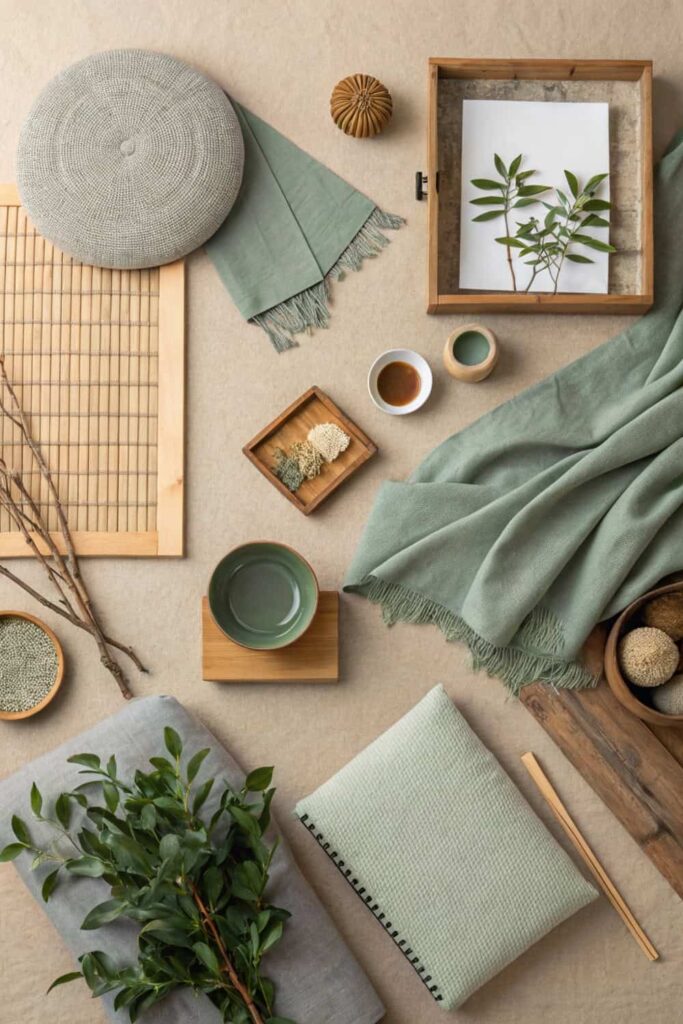
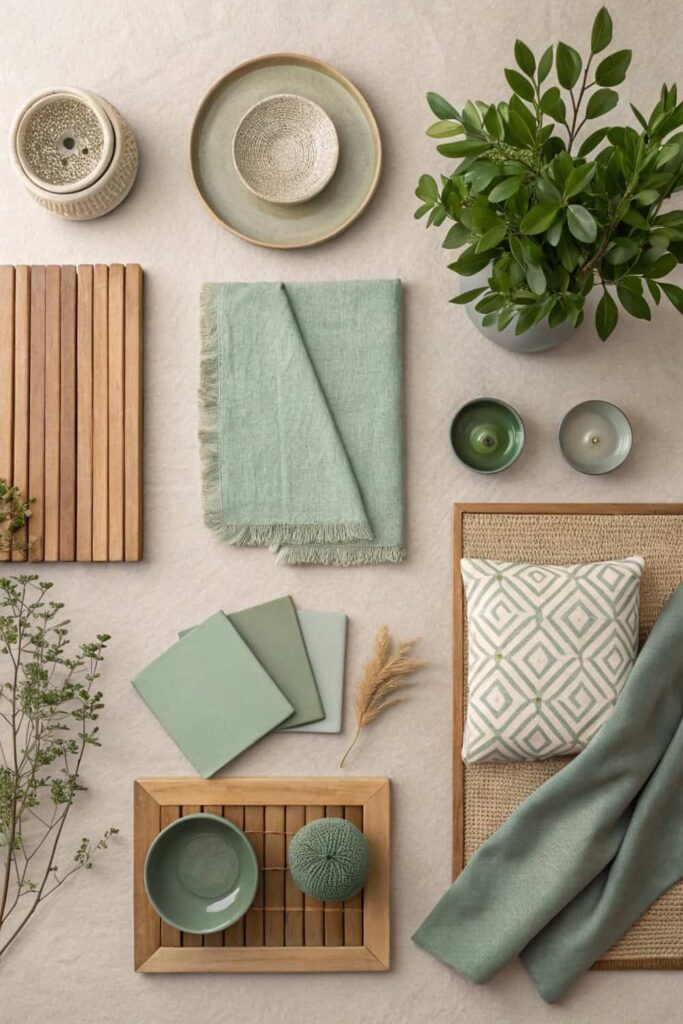
Stick to earth-inspired hues for walls and fabrics. Warm taupes and cool grays work wonders, with pops of muted green or black for contrast. This Japandi living room setup makes the room feel bigger and more inviting, like a forest clearing.
Save what you love, hover or tap the image and pin it now.
Save what you love, hover or tap the image and pin it now.
2. Furniture Choices for Comfort and Function
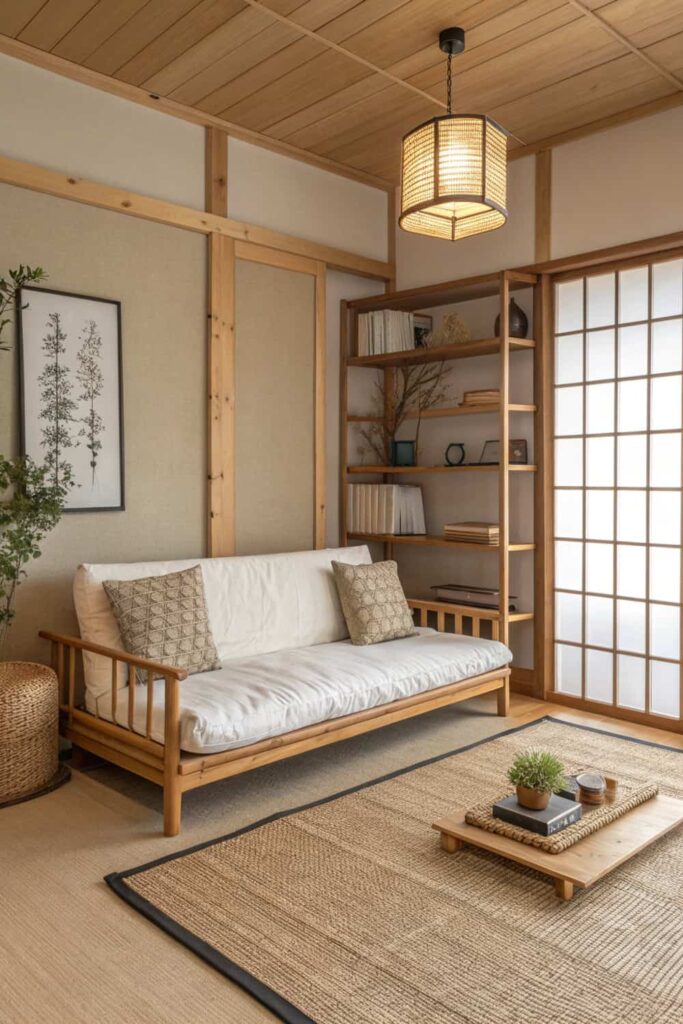
Pick pieces that do double duty, like a storage ottoman or modular sofa, perfect for a Japandi living room. Light woods keep things airy, while curved edges soften the look. Avoid anything bulky; opt for slim profiles that let the room flow.
Save what you love, hover or tap the image and pin it now.
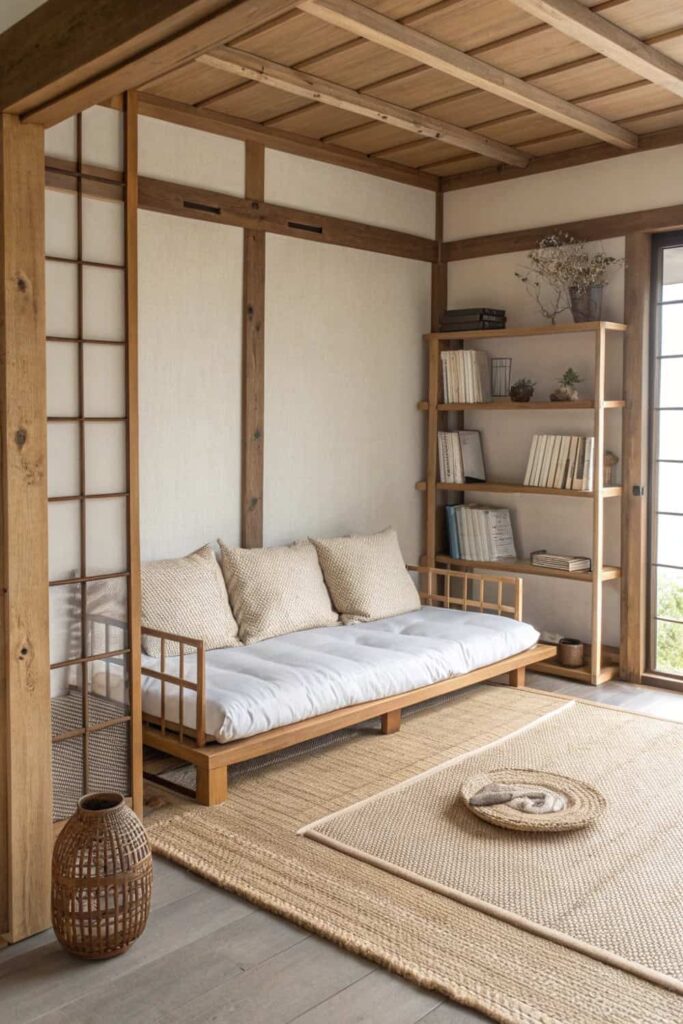
Save what you love, hover or tap the image and pin it now.
3. Lighting and Textures for Depth
Layer fabrics like wool throw over linen cushions for coziness. Use rice paper shades on lamps to scatter light softly, adding warmth without harsh shadows.
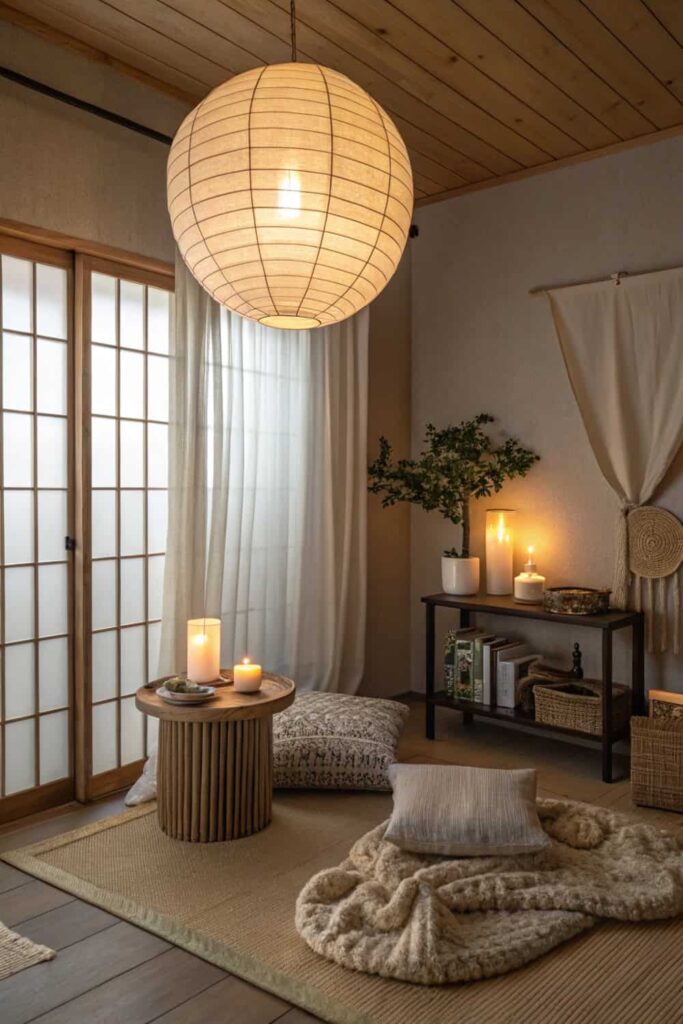
Save what you love, hover or tap the image and pin it now.
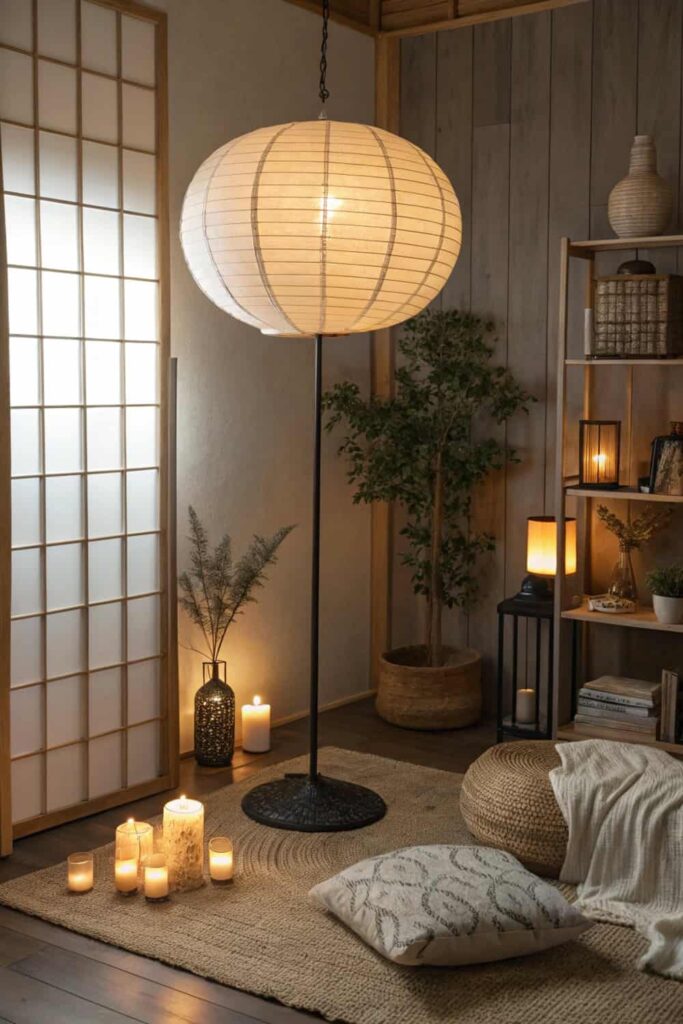
Save what you love, hover or tap the image and pin it now.
Benefits of Embracing Japandi in Your Home
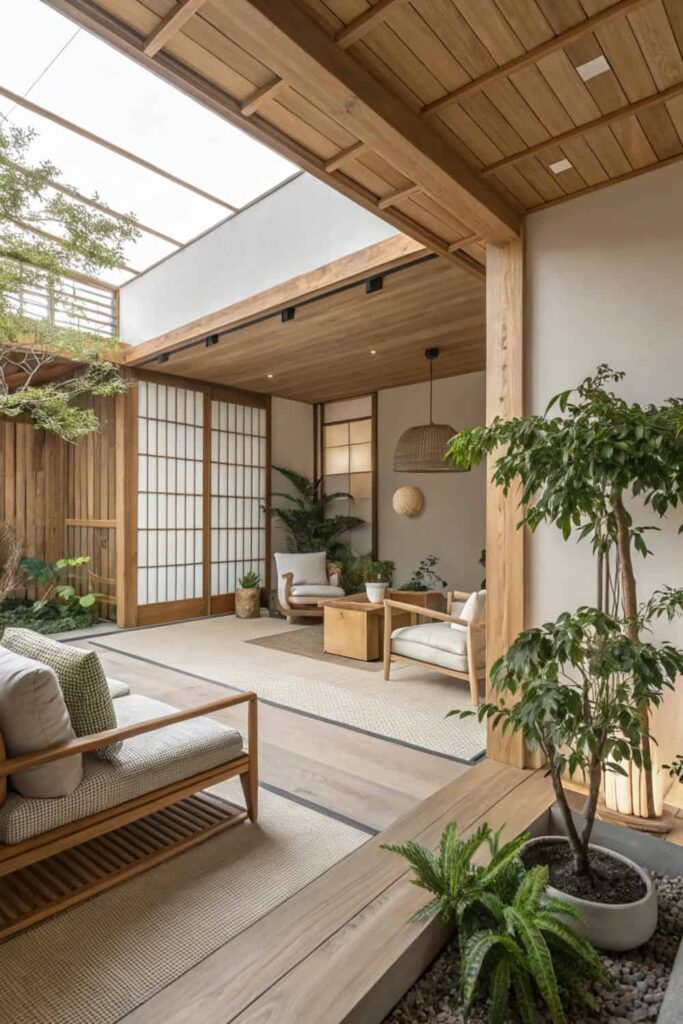
Switching to Japandi can change how you feel at home. It cuts stress by reducing visual noise and no more having to dodge piles of stuff. Studies show clutter-free spaces boost focus by up to 20%, per psychology research.
Save what you love, hover or tap the image and pin it now.
Plus, the natural elements in a Japandi Living Room connect you to the outdoors, improving your mood like a daily dose of fresh air. For families, it’s practical: easy-to-clean surfaces and durable materials handle kids and pets without fuss. And hey, it’s eco-friendly, using sustainable woods that last longer than cheap alternatives. Imagine coming home to a Japandi Living Room that whispers “relax” instead of shouting “clean me.” It’s like giving your brain a break, turning downtime into real recharge time
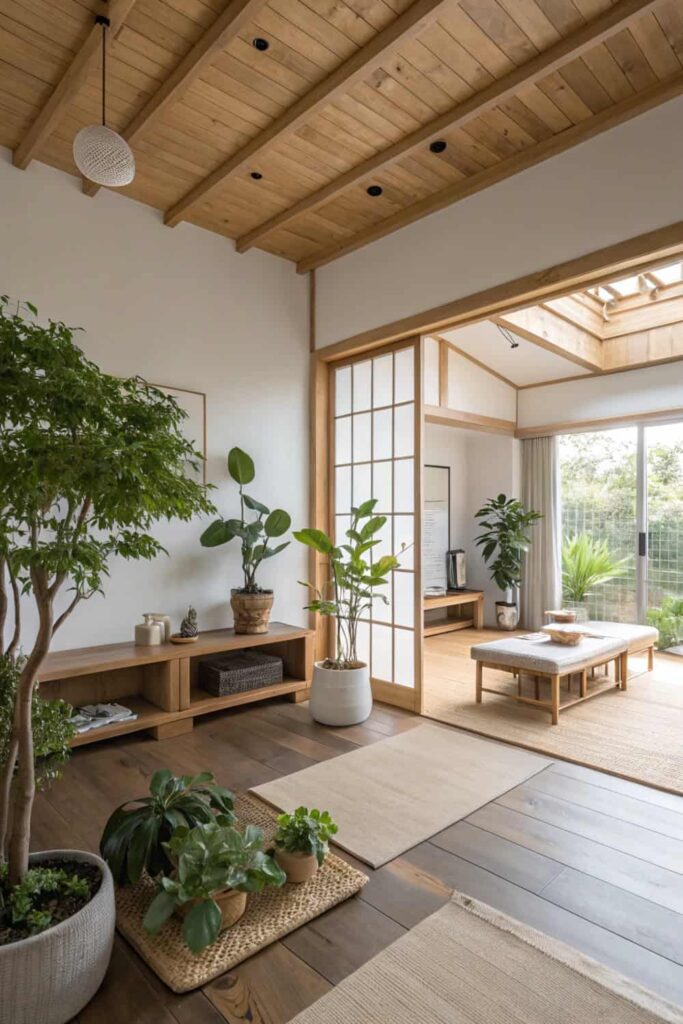
Save what you love, hover or tap the image and pin it now.
Pro Tip: Incorporate scents like hinoki wood diffusers to enhance the calming effect. They tie into the natural theme and make your room smell like a spa, lifting spirits on tough days.
How to Adapt Japandi for Small Spaces
Tight on square footage? Japandi shines here because less is more. Use multifunctional furniture, like a daybed that doubles as seating. Mirrors bounce light around, making walls seem farther apart. Vertical storage, such as wall-mounted shelves in light wood, keeps floors clear.
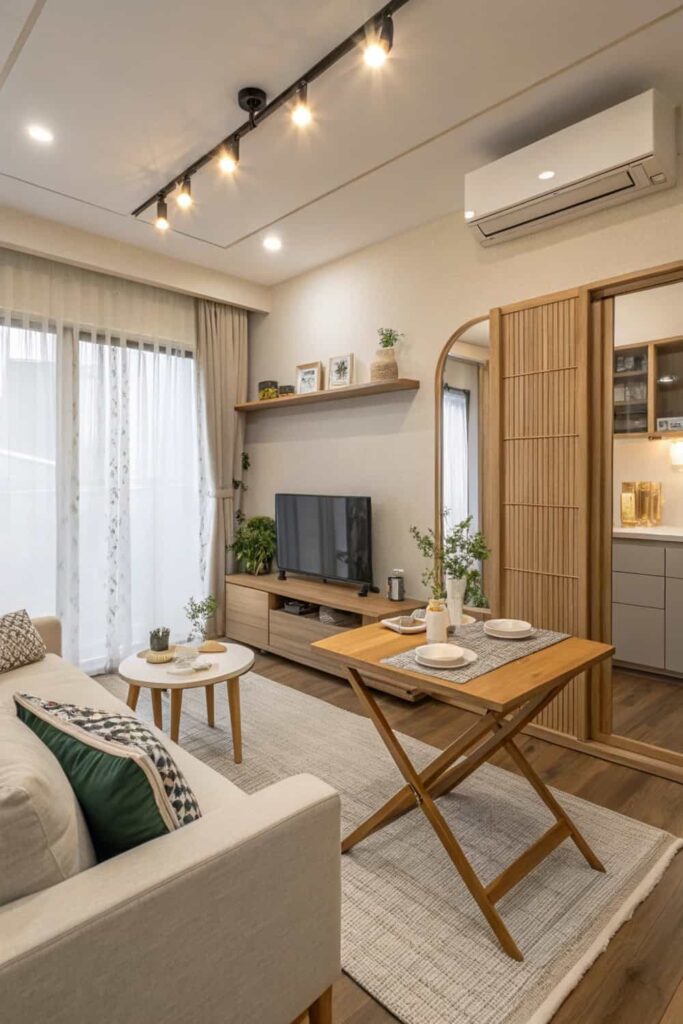
Save what you love, hover or tap the image and pin it now.
Foldable elements, like bamboo screens, divide areas without permanent walls. Add hanging plants to draw eyes up, creating a height illusion. This style turns cramped spots into efficient oases, proving you don’t need big rooms for big impact. It’s a clever design that maximizes every inch.
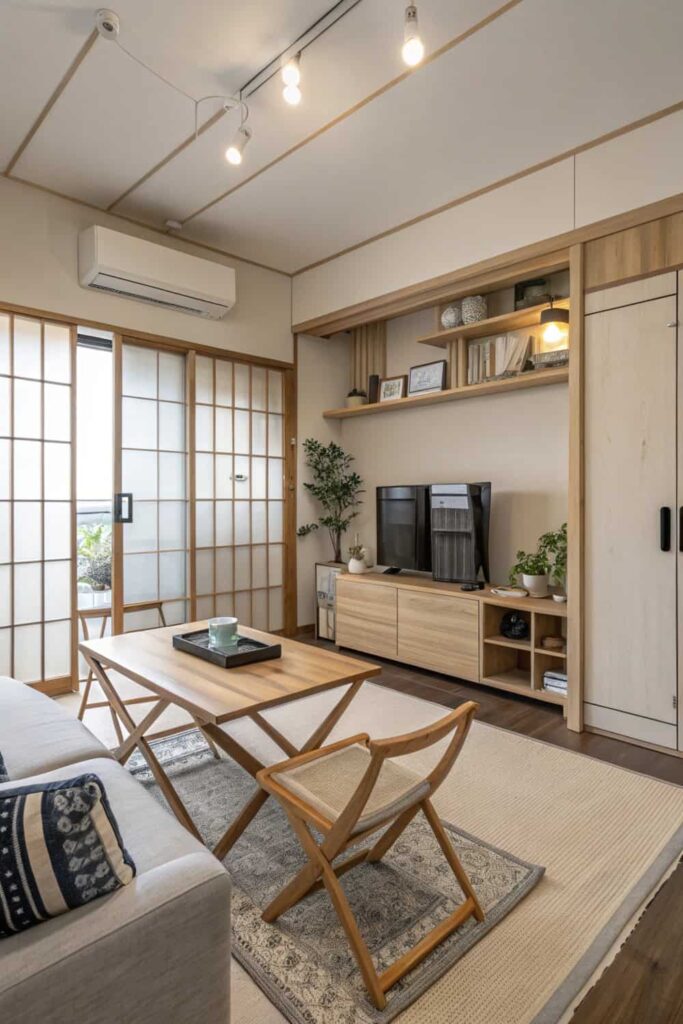
Save what you love, hover or tap the image and pin it now.
Pro Tip: Choose slim-legged furniture to let light pass under, opening up the floor visually. This trick makes even tiny rooms feel spacious, perfect for city apartments or cozy corners.
Integrating Smart Tech Without Losing the Vibe
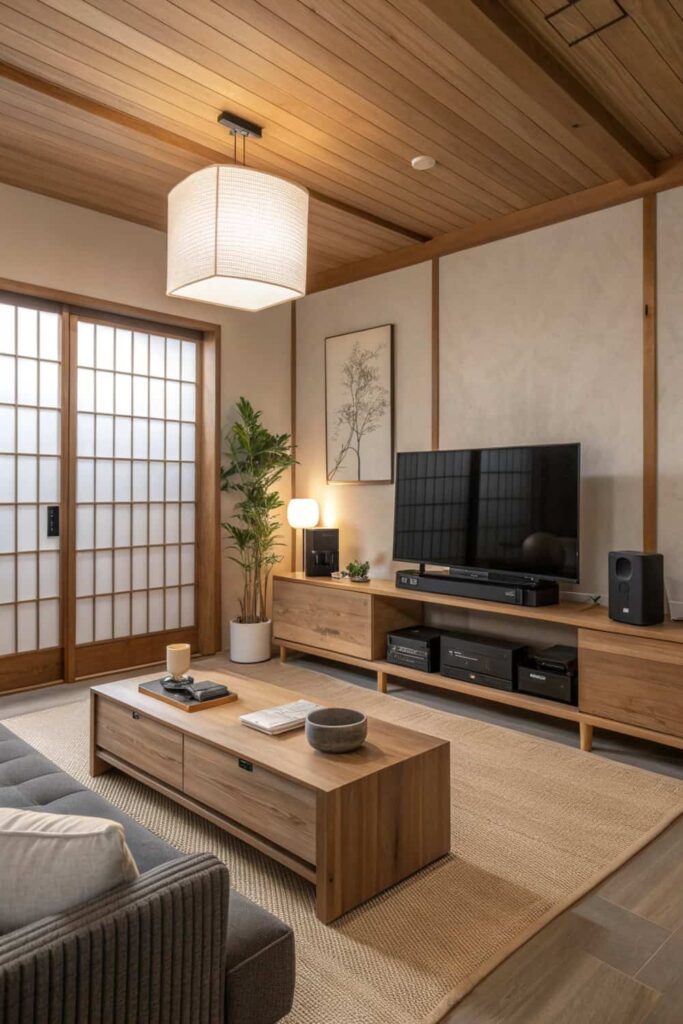
Save what you love, hover or tap the image and pin it now.
Japandi loves simplicity, but you can sneak in tech smartly. Hide cables in wooden boxes or behind panels. Go for voice-activated lights with neutral fixtures that blend in. Smart thermostats in sleek designs keep the minimalist look. Even a hidden charging station in a drawer maintains calm. The key is choosing gadgets that don’t scream “modern” – think matte finishes over shiny ones. This way, you get convenience without disrupting the peaceful flow.
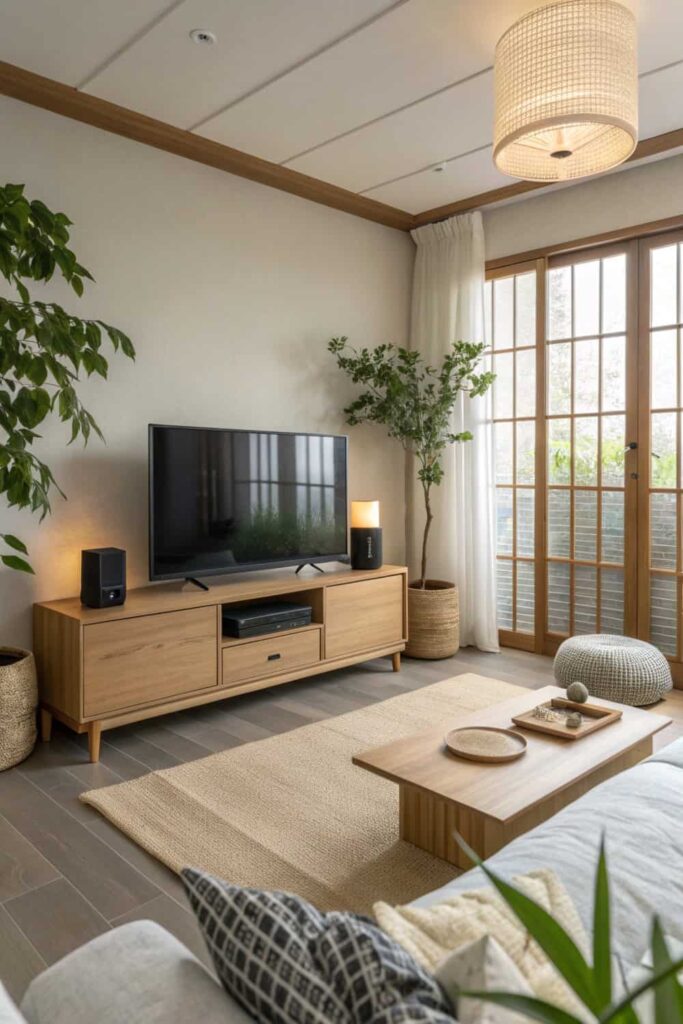
Save what you love, hover or tap the image and pin it now.
Pro Tip: Opt for wireless devices to cut down on visible cords, keeping surfaces clean.It preserves the zen while letting you control your home with a whisper, blending old and new seamlessly.
Seasonal Twists on Japandi Design
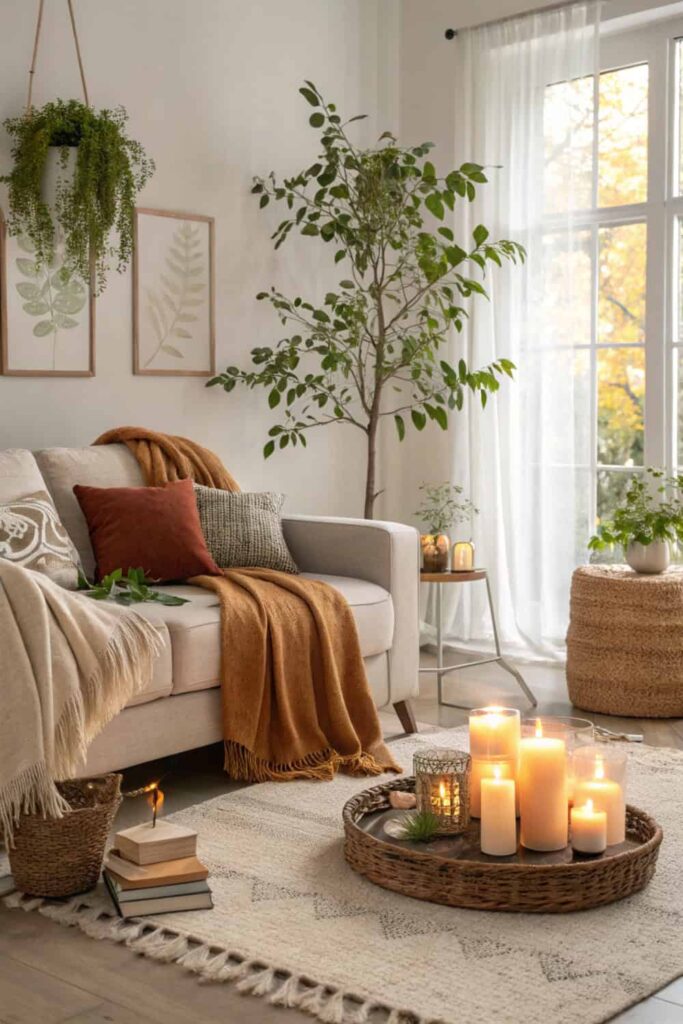
Save what you love, hover or tap the image and pin it now.
Japandi adapts easily to seasons. In winter, layer thicker wool blankets in neutral tones for extra warmth. Summer calls for lighter linens and more open windows to let breezes in. Swap plants: hearty evergreens in cold months, blooming ones in spring. Adjust lighting to warmer bulbs for cozy fall evenings. This flexibility keeps your room fresh year-round, like nature itself changing outfits.
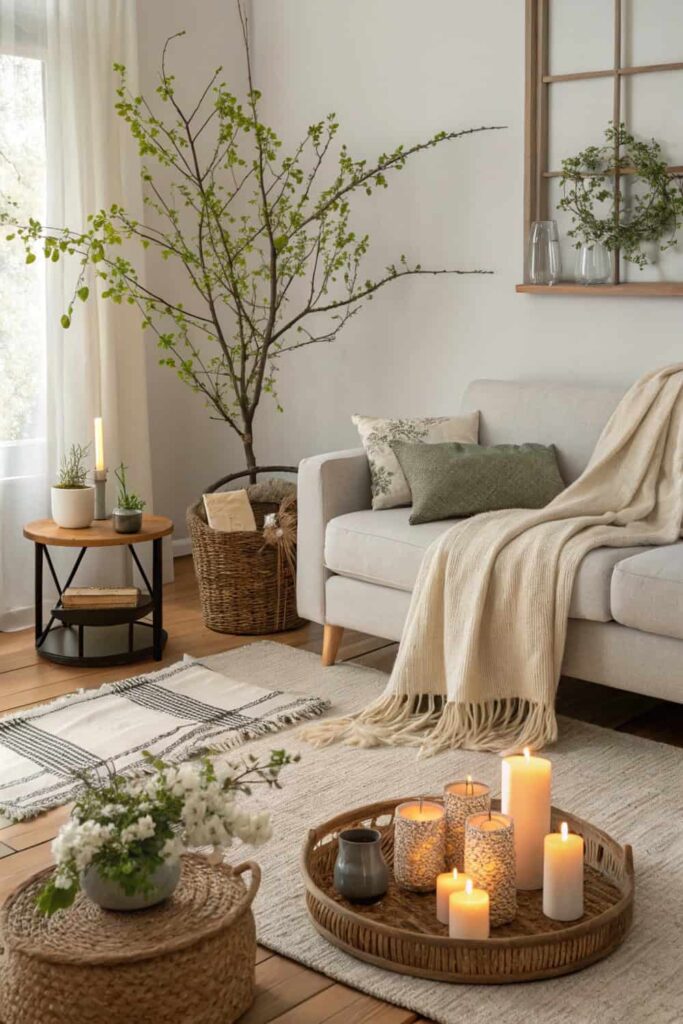
Save what you love, hover or tap the image and pin it now.
Pro Tip: Rotate decor items seasonally, storing off-season pieces to avoid clutter. It refreshes the space without buying new, saving money, and keeping things exciting.
Common Mistakes to Avoid in a Japandi Setup
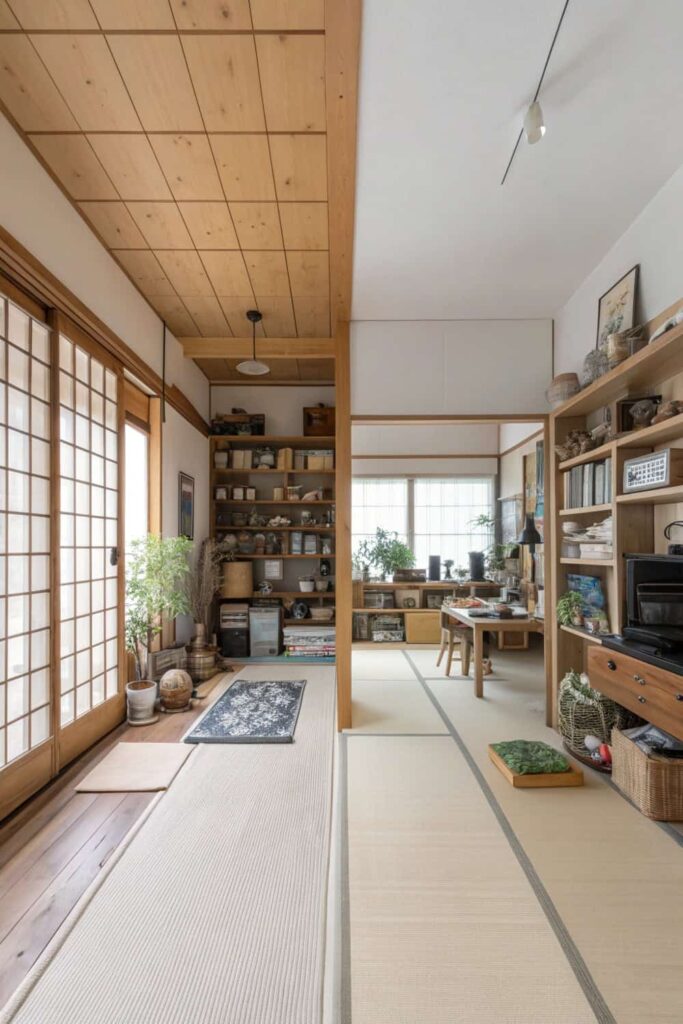
Save what you love, hover or tap the image and pin it now.
One big slip-up in Japandi living room design is overdoing minimalism, making the room feel cold. Add personal touches like a favorite book or photo to warm it up. Another is ignoring scale; too many small items can look busy. Balance with a statement piece, like a large vase. Forgetting functionality leads to frustration; ensure every item serves a purpose. And don’t skip sustainability; cheap synthetics clash with the natural ethos of a Japandi living room.
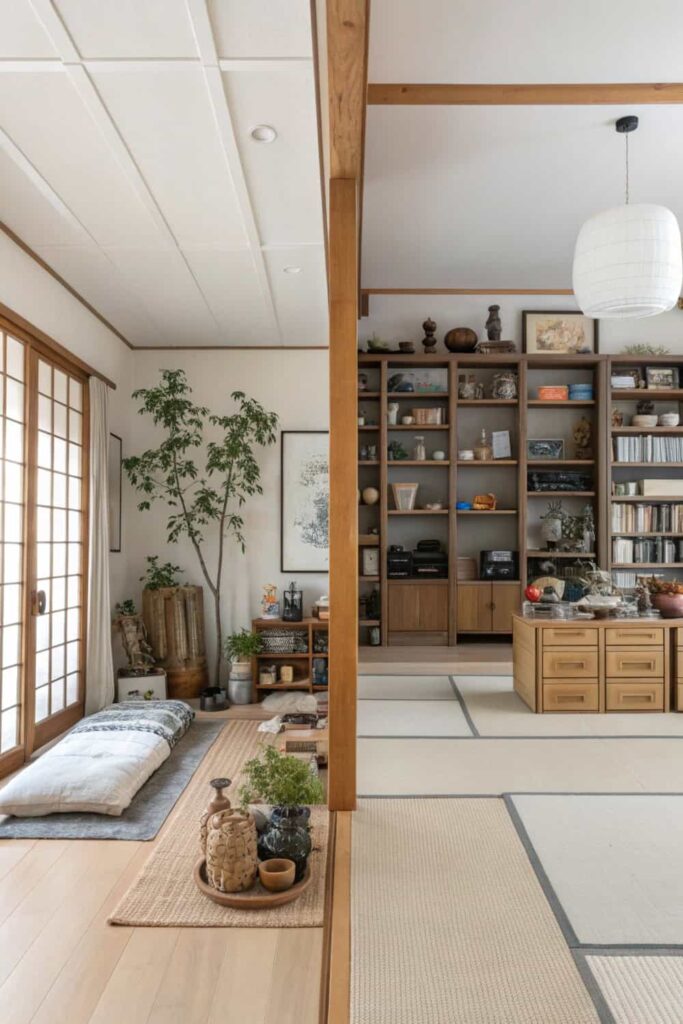
Save what you love, hover or tap the image and pin it now.
Pro Tip: Audit your room monthly, removing one unused item each time. This habit keeps the space pure and prevents the slow creep of stuff, maintaining that fresh feel.
Pros and Cons OF Japandi Living Room
Pros
Japandi boosts clarity and is a lasting, budget-friendly choice. However, its minimalism may feel sparse to some, and balancing the styles can be difficult. Here are three key points to consider about Japandi Living Room design:
Requires Careful Balance: Achieving the perfect Japandi Living Room look can be challenging as it demands a delicate mix of cozy and minimal elements to avoid feeling too sparse or overly bare.
Enhances Simplicity and Functionality: A Japandi Living Room embraces clean lines and uncluttered spaces, promoting a sense of clarity and calm in the home.
Affordable and Long-Lasting: Combining Japanese minimalism with Scandinavian warmth, this style uses natural, durable materials, making it a budget-friendly option that ages well.
Cons:
It might feel too plain if you love bursts of color, but the serene simplicity of a Japandi Living Room offers a unique charm. While maintenance requires discipline to stay clutter-free, the overall benefits far outweigh the effort, especially for those seeking peace and harmony in their space.
- Promotes a calm and peaceful atmosphere by blending Japanese minimalism and Scandinavian warmth
- Encourages mindful living through intentional decor and clutter-free surfaces
- Creates a timeless aesthetic that balances natural materials with functional design principles
This balance makes the Japandi Living Room an ideal choice for anyone who values tranquility without sacrificing style.
Pro Tip: Test with temporary changes, like removable wallpaper, before committing. It lets you experiment without regret, easing into the style at your pace.
Comparison Table of Japandi Living Room
Here’s a handy table comparing Japandi to pure Japanese and Scandinavian styles, highlighting key features to help you see the blend.
| Feature | Japandi | Japanese | Scandinavian |
| Color Palette | Neutral with earth tones | Monochrome, natural hues | Pastels, whites, lights |
| Materials | Wood, bamboo, linen | Paper, wood, stone | Wool, leather, pine |
| Furniture Style | Low-profile, functional | Minimal, tatami-inspired | Cozy, ergonomic |
| Focus | Balance and harmony | Simplicity, wabi-sabi | Hygge, comfort |
| Clutter Level | Low | Very low | Moderate |
| Lighting | Soft, diffused | Ambient, lanterns | Bright, natural |
Recommended Products for Japandi Living Room
Ready to shop? Here are a few top picks from Amazon that capture the essence. They’re chosen for quality, affordability, and that perfect blend of form and function.
Modern Minimalist Linen Sofa
This plush ivory sofa with a solid hardwood frame offers deep seating for ultimate comfort, wrapped in breathable linen. Perfect for a Japandi living room, it is durable for daily use, with clean lines that fit small or large spaces, and foam cushions that invite lounging without overwhelming the room. Rated 4.7 stars for its easy assembly and cozy feel.
Noguchi-Style Coffee Table Dupe
A sturdy glass-top table with a wooden base, this piece adds elegance without bulk. Thick glass ensures safety, while the sculptural legs bring artistic flair. At under $200, it’s a steal with 4.5 stars for its modern look and quick setup.
Rice Paper Floor Lamp
This tall lamp with a soft paper shade diffuses light gently, creating a warm glow. Made from bamboo and paper, it’s lightweight and eco-friendly, perfect for corners. Users love its 4.3-star rated ambiance that enhances relaxation.
Frequently Asked Questions About Japandi Living Room
Got questions? Here are some common ones with straightforward answers to get you started.
Can I Mix Japandi with Other Styles?
Yes, blend it subtly with boho by adding textured rugs or mid-century with curved chairs. Keep the core minimal to avoid clashing, focusing on natural ties for harmony.
How Do I Make a Japandi Room Pet-Friendly?
Choose durable fabrics like tight-weave linen and elevated plants out of reach. Add washable rugs and sturdy wood furniture that withstands scratches, keeping peace for all.
What’s the Best Way to Add Color?
Stick to muted accents like sage green pillows or terracotta vases for subtle pops. This maintains calm while preventing the space from feeling too sterile or boring.
Is Japandi Expensive to Achieve?
Not necessarily thrift natural pieces and DIY simple storage for budget wins. Focus on quality over quantity, building slowly to create lasting value without breaking the bank.
How Does Japandi Help with Mental Health?
It reduces visual overload, promoting focus and rest in a clutter-free zone. Natural elements mimic the outdoors, boosting mood like a mini nature retreat at home.
Conclusion
In wrapping up, diving into a Japandi living room isn’t just about decor; it’s a lifestyle shift toward simplicity and joy in the everyday. You’ve seen how this style fuses cultures for a timeless appeal, backed by its rising popularity with that 108% search spike showing folks crave calm amid chaos. From history to hands-on tips, like adapting for small spaces or dodging common pitfalls, this approach offers real benefits: better focus, lower stress, and a home that feels truly yours.
Imagine sipping tea in a room where every piece tells a story of balance, free from the weight of excess stuff. It’s empowering to know you can create this oasis, whether starting with a single plant or a full redo. As 2025 rolls on, with trends leaning toward sustainable, mindful living, Japandi stands out as a smart choice.
A Japandi living room blends simplicity and warmth, respecting nature, honoring craftsmanship, and fostering joyful gatherings or peaceful solitude. Embrace this design to create a nurturing space; its tranquility will be a lasting reward. In heartfelt home design, less is more.

Save what you love, hover or tap the image and pin it now.